
Indefinite poll delay possible
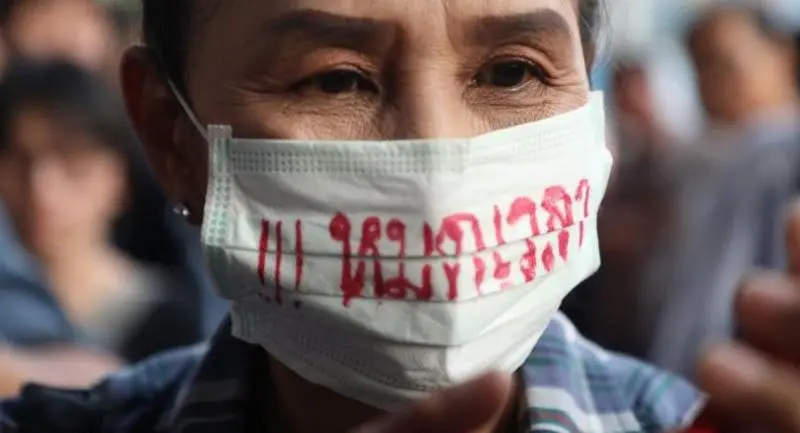


WITH THE MP election law’s enforcement being postponed for 90 days, the next general election could now be delayed from November to February next year.
But in a worst-case scenario, the delay could be indefinite.

The National Legislative Assembly (NLA) on Thursday voted to postpone enforcement of the MPs election law by 90 days. The Constitution Drafting Commission (CDC), which wrote the original bill, is likely to be unhappy with changes made to its original draft, including this 90-day delay.

But that is not the only scenario that could potentially affect the road map to the election. Another election-delaying scenario involves some instructions in the order issued in December by the ruling junta National Council for Peace and Order (NCPO). The order states that after the election law is promulgated in the Royal Gazette, the Cabinet shall ask the NCPO to lift all its orders obstructing activities by political parties, and shall convene a meeting of political parties and relevant state agencies to discuss preparations for the election.
All that should happen within June, according to the current road map. However, the tentative schedule for national polls – now surely delayed until February – could be put off further if something undesirable happened. The NCPO might not lift the ban on political activities, or the meeting between political parties and state agencies may resolve to postpone the election because some political parties are unable to meet required obligations within the deadline.
Deputy Prime Minister Wissanu Krea-ngam said last week that such possibilities are not likely to happen, but he admitted that they could not be ruled out completely.
At the moment, nobody can guarantee there will be no further delays – not even the people in power.
Prime Minister Prayut Chan-o-cha said last week that “it’s not final yet” as to whether the election will be further delayed. “I don’t know what is going to happen next. This matter involves the legal mechanisms,” he said.
