
FIGHTING THE FLU


Play
With the rainy season arriving, we need to be extra careful in nursing those nasty colds
Last year, while rehearsing for the musical “Thavi Phob The Musical”, actress Nat Myria Benedetti developed a sore throat. Stressed by the upcoming show and tired from weeks of late nights, she was soon running a high fever, feeling disorientated and soon could barely croak.
A couple of days later, while resting in a hospital bed, Nat was told that her simple cold had developed into flu and that the stress had also brought on Gastro-Esophageal Reflux Disease or GERD as it’s known for short.
“I’ve always been a healthy person and hardly ever fall ill. But it seems I’d been working so hard that the flu really knocked me out,” she says.
Like Nat, most of us don’t worry too much about the flu. But Dr Atik Sangasapaviliya, an allergy specialist at Phayathai 2 Hospital, says that when we come down with a cold, our body is telling us that our health is weakening and we need a rest. In short, when our immunity is lowered, nasty germs are more prone to attack the body and this is especially true for those who suffer from other conditions like diabetes, hypertension or heart disease.
The common cold and flu are both caused by a virus that weakens the body and this onslaught occurs most often when the seasons change. “The infection happens more in cold than hot weather but it is widespread as we go from hot to the cooler temperatures of the rainy season,” says Dr Atik.
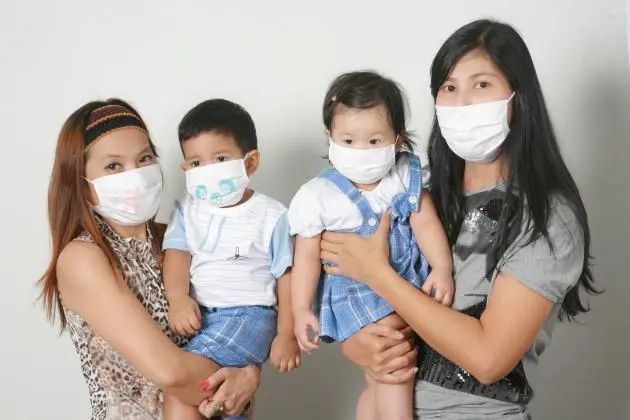
And with the rains now arriving, colds and flu are gradually creeping into the home and workplace yet most of us are not aware of its complications. Even though we dutifully donned masks and took extra care during the bird flu and swine flu epidemics, now that the situation is back to normal, we don’t really take care of ourselves when we have a cold.
Though cold and flu share similar symptom, colds are usually milder than the flu. Symptoms include fever, body aches, extreme tiredness, and dry cough.
“The virus has developed drastically and it can cause more fatal symptoms and is certainly more resistant to the medication than the past. If someone has a high fever for a few days and severe body aches, he should consult a doctor, says Dr Atik.
Going about normal daily life is also a no-no, as with the immunity already weakened, the greater the chances other diseases can attack the body.
“We always have excuses to work or keep up our daily activities instead of resting because the flu is such a common illness. But just as the world climate has changed, so has the virus, which has mutated and become more fatal. We need to be more concerned about the common cold before it gets worse,” says the doctor.
“From the moment the first symptom appears, whether it’s the sniffles or sore throat, you should stop working, get more rest and take care of your health,” he says.
Dr Atik also cautions against buying over-the-counter medicine based purely on brandname, like Tiffy or Decolgen, suggesting instead that we take time to read the medication’s ingredients.
Aside from a cold reliever like paracetamol, the common medications used to relieve colds are antihistamines containing compounds like Chlopheniramine (CPM), Loratadine and Cetirizine and the decongestant phenilephrine, which has replaced the now banned pseudoephridine,
“They have different side effects and are contraindicated for people suffering from certain diseases and for pregnant women, so even though it’s a common cold, you are better off seeing a doctor to get medication rather than buying drugs yourself,” he says.
Dr Atik also recommends the annual flu vaccination and says that even though some people will suffer flu-like symptoms for a few days after the shot, the overall effect is beneficial.
“The best prevention is the basic health education we have learnt since we were young: eat the five food groups, drink plenty of water, get exercise, get enough rest and clean your house and office. We know it all, right? Trouble is, we opt not to do it,” says Dr Atik.
