
A law of us, for us, by us


Play
A law of us, for us, by us
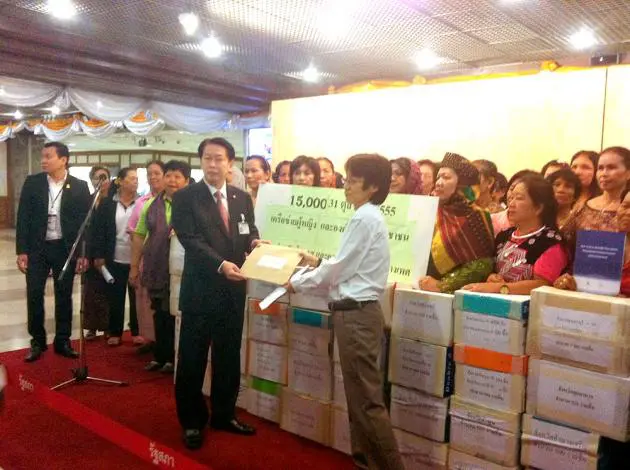
As of last week, there is fresh promise in the future: A woman’s network and non-government organisations that champion women’s rights have submitted an equal-opportunity bill to Parliament. Lawmakers already have two bills before them, drafted by government sections, but they fail to address certain problems.
This third draft bill seeks coverage for all women, young and old, physically or mentally disabled, single mums, ethnic – and LGBT. The government legislation makes no such clear distinctions, thus leaving room for discrimination on the basis of academic or religious status. The non-government bill would prohibit all kinds of discrimination.
I don’t think the government intends to be unfair in failing to cover certain groups. It draws up legislation based on reports from official agencies, but often these fail to address the root cause of problems. They omit the necessary context. The government really doesn’t know for whom and for what it has to care.
Another interesting aspect of the non-government bill is that it aims at building a system we can rely on. It seeks to decentralise the authority of the Minister of Social Development and Human Security – contrary to the government bill.
It isn’t wrong to trust the minister if he truly understands the complexities of gender and sexuality and the problems that arise – and if he isn’t a slave to patriarchy and machismo. But I think it’s rare to find an executive of such quality when the government is based on patriarchy.
Promoting equal opportunity among the sexes, working up from the roots of the problems is better than letting the government impose rules from the top down. You can cover all aspects of the issues, many of which the government can’t see. And you can include LGBT people, paving the way for same-sex marriage and social welfare.
LGBT people have for too long suffered rejection in social acceptance and careers. Our form of love is as “ordinary” as any, and yet it’s deemed illegal. School textbooks point accusing fingers.
I hope this non-government bill gains acceptance over the other two, because both women and LGBT people have had enough of tacit discrimination and silent violence.
