
North Korea in Unesco's cross-hairs


Play
The ancient kingdom of Goryeo is targeted for heritage status
It has been the focus of international concern for all the wrong reasons in recent months, but now North Korea has finally found a willing protector. Its historic monuments and sites of the Goryeo Kingdom (918-1392) in Kaeseong, on the border with South Korea, have been recommended for Unesco World Heritage Site listing.
The recommendation moves the ancient capital city’s relics, on a tentative list since 2000, a step closer to being acknowledged as worthy of international attention and preservation. The final decision on the listing will be made at a Unesco congress in Phnom Penh from June 16 to 27.
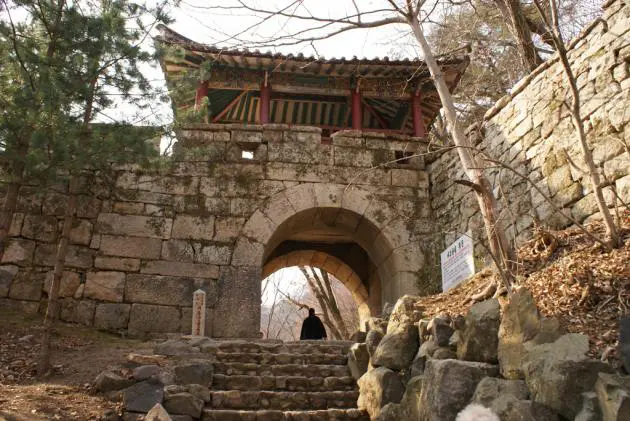
Those sites included in the recommendation by the Unesco International Council on Monuments and Sites are: five separate sections of the Gaeseong City Wall; the Manwoldae Palace archaeological site and the remains of the Gaeseong Cheomseongdae, an astronomical observatory tower; the ancient university of Goryeo Seonggyungwan; Sungyang Seowon, a private Confucian academy; the Seonjuk Bridge and Pyochung Monuments; the Mausoleum of King Wanggeon with its seven tombs as well as Myeongreung tombs cluster; and the Mausoleum of King Gongmin.
The council said the Gaeseong sites exhibited the assimilation of the cultural, spiritual and political values of the various states that existed on the Korean Peninsula prior to the Goryeo Kingdom, and the exchange of such values with other neighbouring kingdoms over a period of five centuries.
It also acknowledged that the sites were an exceptional testimony to the unified Goryeo civilisation as Buddhism gave way to Confucianism in East Asia.
The Unesco advisory body recommended that the North Korean government develop tourism management and interpretation plans as well as a monitoring system to ensure coordination between the authorities.
