
The rise and fall of television


Play
From Netflix to Xbox, traditional viewing is tottering
Netflix has just hammered another nail into the coffin of broadcast television. But don’t hold your breath waiting for the funeral.
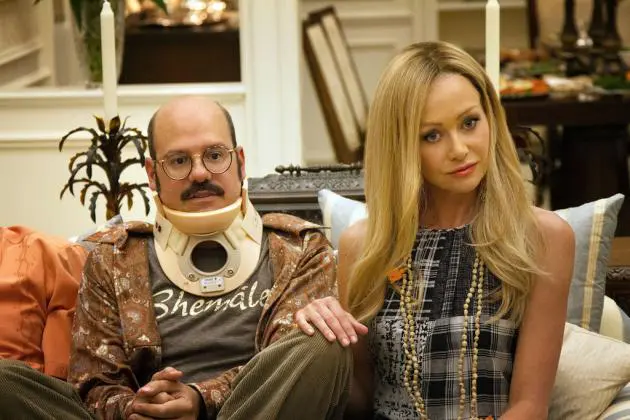
The video-subscription company recently launched its second original series – a fourth season of the cancelled cult hit “Arrested Development” – and all across America stalwarts of the millennial generation whiled away the hours watching all 15 episodes in one go.
To be totally accurate, as Netflix itself points out, it’s only a semi-original series, since the first three seasons aired on the Fox network between 2003 and 2006. It was dropped due to poor ratings, despite its critical acclaim and popularity with a select audience.
Reviews for the revival of the dark, subtle and intricate comedy were mixed. But they were everywhere, and as you would expect, Facebook and Twitter were buzzing with posts about what may or may not turn out to be a watershed moment in TV history.
Coming just months after Netflix debuted its first original series, “House of Cards”, to great acclaim, the premiere also coincided with numerous other developments that are all sounding the death knell of traditional TV, as it is threatened by the tsunami of forces unleashed by broadband internet.
Companies like Google, Microsoft, Intel and Apple are all feverishly working on ways to drag television viewing into the digital age.
Microsoft’s Xbox One will integrate content from your cable provider and from online sources, suggesting suitable programming for your tastes and even allowing you to control the whole system with voice commands and hand signals.
Change can also be felt in Washington, DC, where Republican Senator John McCain has introduced legislation that would force cable and satellite TV providers to unbundle their programming and let consumers purchase only those channels they wish to watch.
On the Web, YouTube has launched paid-subscription channels that could provide just the a la carte alternative that McCain imagines. And video-streaming service Hulu is being courted by numerous suitors, including Web portal Yahoo and satellite-TV provider DirecTV. They are being asked to meet a reported US$1 billion (Bt29 billion) asking price.
Other technologies are also putting more power into the hands of fans. Fans of the quirky TV series “Veronica Mars” contributed more than $5.5 million on the crowd-funding website Kickstarter to turn the series into a movie. Zach Braff used Kickstarter to raise more than $2.5 million from fans eager to see a sequel to his cult movie hit “Garden State”.
But if all these trends point to a dramatically different entertainment landscape, we would be foolish to think that it will happen very soon, cautions Bob Thompson, professor of television history at Syracuse University.
“‘Arrested Development” is a direct-to-Internet show but it got all its energy from network TV," Thompson says. “There’s definitely a lot of new venues, but that’s always happened. I would say Netflix right now is where HBO was in 1999. It’s going to be an important part of the new alignment – but we have to be careful not to overestimate.
“There’s definitely a challenge to the cable business model because everything is being fragmented. So many young people are watching so much TV directly online – and that’s just going to spread. Things are going to change dramatically, but it won’t be in one or two years. In 10 years though, all bets are off.”
