
J-pop with global flavours


Play
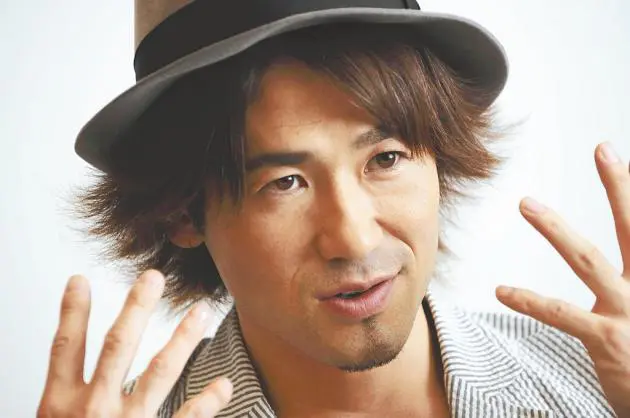
Naoto Inti Raymi's travels give him a new perspective on life
The title of Naoto Inti Raymi’s new album, “Nice Catch the Moment!”, evokes the spontaneous beauty of overseas travel that the singer-songwriter experienced while recording it.
A mix of global rhythms and finely honed sensibilities, the new album released by Universal Music Japan has been a satisfying project for Raymi.
He made his debut in 2010 and topped the Oricon billboard charts for the first time with his previous release last year, but his musical career began more than a decade ago.
Often labelled a performing musician for his tours and festival appearances, Raymi’s music is deeply enriched by his worldly experience. His travels during the making of “Nice Catch” took him to Ethiopia, Trinidad and Tobago and Colombia.
The shooting of a documentary film about him prompted the trips. It was released in April.
The singer-songwriter says he’s greatly influenced by living with the Hamar people in Ethiopia. “It was a real revolution of the mind. They spend so much time in leisure. I tried to imitate their lifestyle, but I didn’t feel quite at home because I usually live a busy life in Japan.”
He says that uneasiness probably stems from the ubiquity of cell phones, which he didn’t use while he was with Ethiopians. “In Japan I often take out my phone almost unconsciously and look at the screen. Now I know that at these moments I’m missing shooting stars and beautiful cloud formations. I’ve lost these wonderful moments.”
He came up with the basic idea behind the album’s title – “catch the moment” – during that time. “When we travel we meet people and also say goodbye to people. So being with people is always a very precious time,” he says.
The experience inspired him to compose lyrics evoking the significance of meeting people in passing while travelling and the pleasure of looking up destinations on maps. As a result of avoiding frequent phone use, his senses have become sharper.
“Brand New Day” on the album was written a little later. It blends the ethnic soca music of Trinidad and Tobago with cutting-edge electronica.
The lyrics incorporate such set phrases in Japanese as “mappira gomenda” (no way) and “odoru aho ni miru aho” (dancing fool, watching fool), which originate from popular Awa Japanese dance numbers.
“I want making music to be like cooking delicious dishes that blend Japanese and foreign ingredients, like adding mentaiko cod roe to spaghetti,” Raymi says.
“Koisuru Kisetsu” (“Season for Love”) features a catchy hook and is being used in a TV commercial. However, he drastically altered the melody in the first and second verses of the album version and created other arrangements to distinguish the piece from the version used in the commercial.
“I learned these techniques from Mr Children when I was a backup singer and guitarist on their tours for two years,” he says, referring to the popular J-pop group. “At the time, the results looked and sounded simple, but actually they were very elaborate and required skill.”
