
The high price of equality


Play
A major conference in the Malaysian capital examines the problems and challenges faced by females in today's world
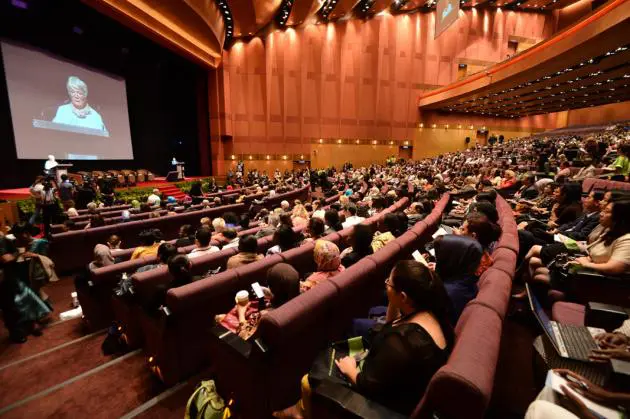
Melinda Gates, Chelsea Clinton, Norway's Crown Princess Mette-Marit, Denmark’s Crown Princess Mary and Netherlands Princess Mabel of Orange-Nassau recently joined more than 3,000 delegates from over 150 countries in Kuala Lumpur at “Women Deliver”, the decade’s biggest conference on women and girls.
They were among the world’s best known philanthropists who have joined the fight to eliminate the problems surrounding women and girls in all parts of the world. The delegates came from different cultures and socio-economic backgrounds but were together in their declaration that action is needed to achieve the ultimate goal in women and girls’ healthcare and enjoyment of their rights within the 2015 Millennium Development Goal deadline.
The KL Convention Centre was bustling throughout the three-day conference, which featured more than 100 sessions covering almost all sides of the problems surrounding women’s and girls. These ranged from reducing the maternal mortality rate and reproductive rights to violence against women.
One of the themes was the economic and social benefit of investing in girls and women. World Bank’s director Jeni Klugman confirmed during her talk that investing in reproductive health is smart economics.
In his opening remarks, UN secretary-general Ban Ki-moon noted that the meeting was critical in showing that investing in girls and women was not only the right thing to do but also good for the economy and society
Gates, representing the Bill & Melinda Gates Foundation, advocated for reproductive rights and called for governments around the world to take responsibility for their citizens.
The ambitious goal is to reach 120 million more women with voluntary family planning services by 2020 and the need to place them at the heart of the post-2015 development agenda. Despite their unanimous call for action, the delegates are well aware that the battle is an on-going process and they would have to continue to fight to reach their goals. They will meet again in the next three years.
One side of the KL Exhibition Hall was set aside for a cartoon exhibition about women, with the eye-catching illustrations displayed on partition-like boards.
If the talks and discussions were complicated, the cartoons from all around the world selected by a staff cartoonist for The New York Magazine clearly demonstrated the problems women and girls are facing. They reflected how women think and feel about women’s right issues, cultural taboos and injustice through the eyes of those who experience those traditions and through the universal language of art.
One cartoon by Carsten Graabaek from Denmark showed a young girl asking her dad: “What’s equality?” and her dad replied: “Have no idea. Ask your mother”. The piece shows the mother working in the background.
