
Cities fighting back
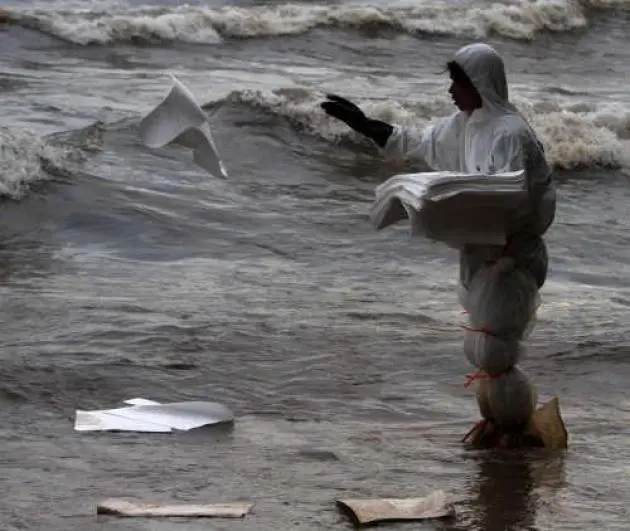


A new initiative from the Rockefeller Foundation sets out to help 100 cities around the globe to build resilience
The headlines say it all: “Thailand’s Black Sea Disaster,” screams one newspaper as Koh Samet’s once-pristine Ao Phrao beach is hit by an oil slick from a broken pipeline. “Breathless in KL,” reports another, as Kuala Lumpur’s city skyline is covered by haze from fires burning on the Indonesian island of Sumatra. In China meanwhile, a heat wave that’s seen temperatures hit the 41 degrees Celsius mark is causing deaths and ruining crops.
Across Asia, natural and man-made shocks and stresses are growing in frequency, impact and scale. Cities are largely unprepared to respond, withstand, and bounce back from disasters that have the potential to disrupt livelihoods and shut down entire economic systems. The greatest burden of these events, such as the impacts of climate change or public health threats, often falls on poor and vulnerable people who have fewer means to cope with disasters and take longer to recover.
To enable 100 cities to better address these issues, the Rockefeller Foundation recently announced a US$100 million (Bt3 billion) commitment to building urban resilience in cities around the world. The selected cities will receive technical support and resources for developing and implementing plans for urban resilience.
The project, dubbed “The 100 Resilient Cities Centennial Challenge” is being officially launched today at the Foreign Correspondent Club of Thailand.
Ashvin Dayal managing director of The Rockefeller Foundation in Asia, will talk about the project at 10.30am.He’ll be followed at the podium by Kamlesh Yagnik of the Surat Climate Change Trust Fund and the president of the South Gujarat Chamber of Commerce, India will also share his experiences in a presentation entitled “Strong Partnerships: The Crux of Urban Resilience”
Suranit Ong-La, permanent secretary to Chiang Rai municipality and chairman of the Asian Cities Climate Change Resilience Network Working Group, will talk about “How to Build Resilience to Rebound from Disasters”.
Somporn Siriporananon, Songkhla Chamber of Commerce’s chairperson, addresses the subject “From Hat Yai to Hanoi: How Urban Resilience is Good for Business”.
Dr Apiwat Ratanawaraha of Chulalongkorn University’s department of Urban and Regional Planning, is also giving a presentation –“What is Urban Resilience? The Ideal Resilient City of Tomorrow”
Though enough
Municipal government leaders or major institutions can register at www.RockefellerFoundation.org. The closing date for applications is September 23.
