
Chinese loving the heat


Play
In a trend that's caught on in Shanghai, the hot rocks of summer loosen winter's poisons
The summer’s sizzle has already made people around the country sweaty and restless. While they long for the end of the hot days, experts suggest summer is the best season to discharge the body’s toxins and recover your energy.
In traditional Chinese medicine, summer is the season of yang, when the body undergoes vigorous metabolic or body-energy processes. Yang energy is the power for viscera, integral to the function of various organs.
“Traditional Chinese medicine attaches great importance to the harmony between people, environment and season,” says Zhang Chaoming, a TCM expert at Shanghai Landseed International Hospital. “People can take advantage of this time to improve their health, and make a good preparation for next winter.”
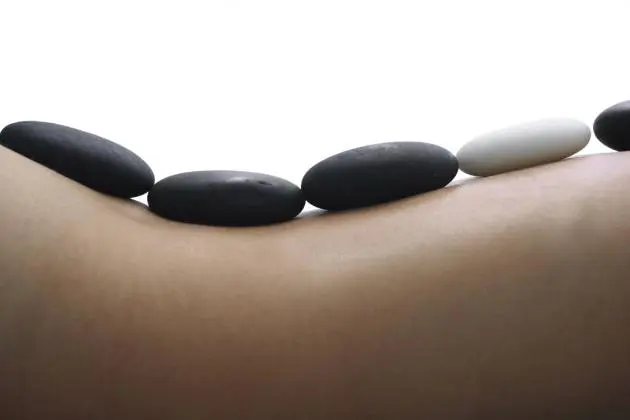
One popular option is hot-stone massage. Therapists use smooth, heated stones, usually basalt or river rocks, to massage areas of the body or rest them on key points. “The warmth of the hot stones will improve blood circulation and also help relax muscles, while sweating is believed to be good for discharging toxins,” Zhang explains.
The therapy is gaining popularity among white-collar workers, who have jobs in cool air-conditioned rooms, says Fei Fei, who works at Rubis Spa in Shanghai. She says hot stones can cure many ailments, such as back pain and arthritic arches.
Using hot stones for healing dates back to ancient times, but the modern revival is generally credited to American Mary Nelson, whose trademarked LaStone Therapy has a Native American spiritual component.
Variations on this style of massage have become popular in spas around the world, including in China. “We also have special therapy for feet," says a woman surnamed Yang at Zen Palace Massage in Shanghai. “The hot-stone therapy helps the body discharge toxins and humidity that accumulate during winter. We have many clients in summer, which is the best season to recuperate.”
Almost every beauty salon has hot-stone therapy now, says Wang Yan, who once worked at a beauty salon in Shanghai. “But the service varies considerably in its quality.” There is a big demand for therapists trained in this skill, Wang says.
One well-known Japanese variation is called Ganbanyoku, literally translated as “bedrock bath” or “stone bath”. Rather than use water or steam to heat and wash the body, people simply wear a gown or something else comfortable, and then lay on heated stone tablets made of granite or silica, which are warmed to around 45 degrees Celsius.
“The body will gradually warm up and circulation will improve,” says an employee surnamed Tan at Shanghai Yishengtang, a hot-stone bath provider. “More sweat will come out quickly. The sweat is smooth and fresh, not smelly and sticky like that released after sports activities. It comes from the deep inside of the body. Many clients come here for this detoxification effect, especially in summer.”
Ganbanyoku providers claim such baths bring health benefits including anti-ageing, improved circulation, detoxification and stress relief. The slimming effect of dieting can even be boosted, they say.
Compared with hot-stone therapy, a hot-stone “bath” is relatively rare in China, though it can be found in the big cities. For such a treatment, it’s necessary to rest and relax beforehand. Tan advises against eating too much as well. “Hot-stone therapy is not suitable for everyone – it’s is not recommended for people with infectious skin disease, open wounds or heart disease. Pregnant women are also not advised to have it.”
“I get chilly and have cold feet in winter, so it’s really comfortable feeling the warmth of the hot stones and the whole body relaxing,” says Sophie Chen, who works with a multinational company in Shanghai.
“Sweating is a good thing,” she says. “It helps release negative impurities. When I finish the whole course of a stone bath, I feel my body is cleaned up.”
