
Flying the star spangled banner
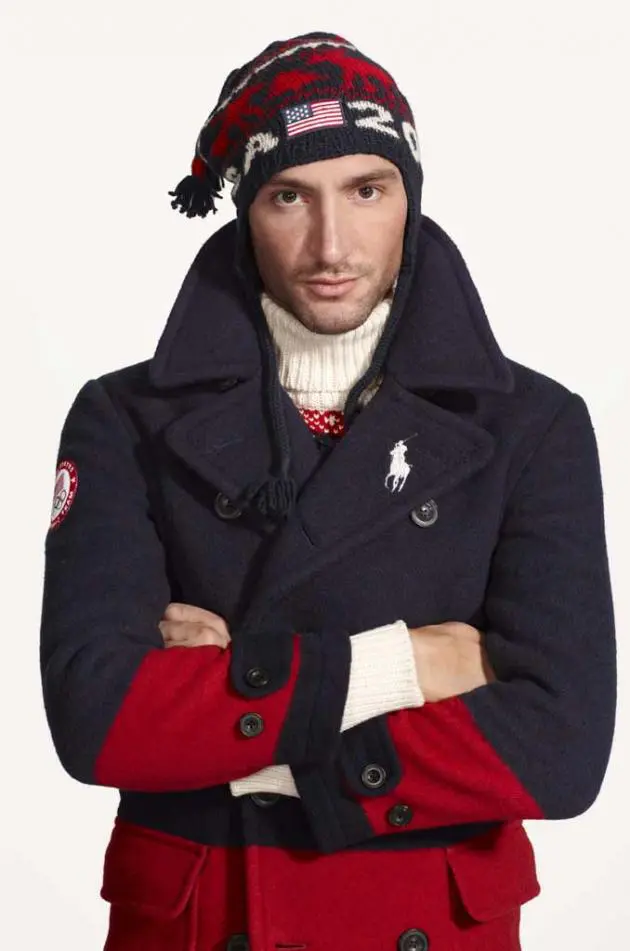


The USA Winter Olympic Team will turn out to Sochi in all - American gear
Team USA will now wear the Made in the USA label. Every article of clothing made by Ralph Lauren for the US Winter Olympic athletes in Sochi, including their opening and closing ceremony uniforms and their Olympic Village gear, has been made by domestic craftsman and manufacturers.
During the 2012 games in London, it was a flashpoint in the media and among Washington politicians that much of the US apparel was made overseas, especially in China.
Ralph Lauren Corp, which has been making most of the athletes’ clothes since 2008 when it took over from Canadian clothier Roots, got the message.
“We have worked incredibly hard as a company to go across America to find the best partners to help us produce the Olympic uniforms at the highest quality for the best athletes in the world,” says David Lauren, the company’s executive vice president of advertising, marketing and corporate communications.
They used more than 40 vendors, from ranchers in the rural West to yarn spinners in Pennsylvania to sewers in New York’s Garment District for the closing ceremony outfits unveiled Tuesday. The ensemble includes a navy peacoat with a red stripe, a classic ski sweater with a reindeer motif and a hand-sewn American flag, and a tasselled chunky-knit hat.
Individual clothes for competition are made by different, mostly athletic-gear brands, depending on the sport, technical aspects and sponsorship deals. Those outfits didn’t seem part of the earlier overseas outcry, but some companies, such as The North Face, which is making the free skiing uniforms, have committed to US manufacturing, too.
Figure skater Evan Lysacek, who won gold in Vancouver in 2010, says the ceremonial uniforms make the athletes stand a little prouder.
“As an athlete, the clothing means even more than you’d think. The training, the sacrifices, the lifestyle, which is not glamorous and can be gruelling and trying at times, all seem to come together in the moment when you realise you are part of the Olympic team,” he says. “The moment you put on those first pieces of the American team clothes, you feel like it’s real.”
Moving production to the US, though, was a lesson in the state of American manufacturing. It was hard to come by facilities that could create the quantity and quality needed for the Olympic uniforms and the versions that will be sold to the public, David Lauren says. As a result, there are fewer pieces in the collection for 2014.
During the London flap, he said, “what no one wanted to look at was the true complexity of making Olympic uniforms. We would have done it here if we could, but it was so much more complicated than people realised. Lots of places said they could help us make them, but when we called them, they couldn’t. It was grandstanding by a lot of companies. But we have since found manufacturers, and there are many more out there and we will keep reaching out.”
Jeanne Carver of rural Maupin in Oregon, couldn’t quite believe the call that came 18 months ago.
Imperial Stock Ranch, founded in 1871 and now run by Carver and her husband, Dan, was at a make-or-break time, especially for its sheep business. They kept hearing that apparel manufacturing was going offshore and they wouldn’t ship US wool overseas, Carver says. Then the phone rang in the summer of 2012.
“I thought the phone was the tinkling of sheep bells!” Carver says. But it was the product development director for the Ralph Lauren knitwear division. “I literally said to him, ‘You are kidding me!’”
When Robert Cramer told her he was looking for yarn for Team USA sweaters and asked for a tour, “The two things that went through my head were, ‘Oh my god, what will I wear? And what am I going to feed fashion people from New York?!’”
(She went with her “clean” cowboy boots and a menu that included lasagna made with ground beef from the ranch.)
The fact that these were for Olympic uniforms was “icing on the cake”. She was just so appreciative that a big company was paying attention to domestic ranchers and farmers, wool dyers and sewers.
The athletes are happy to see more Americans represented, too, says Lysacek.
“What I hear from the athletes on this topic is that we go out in the Olympic Games and in every competition, we represent the United States of America. I might not know every citizen, but I represent them,” he says. “The more people who are tied into the Olympic story, the closer to home each story hits.”
