
A bulge that can kill


Play
There are numerous reasons to quit smoking, not least because it destroys organs, causes infections, leads to diabetes, stultifies the sex life and fogs the mind.
Today we’d like to draw your attention to a lesser known but common result of smoking - Abdominal Aortic Aneurysm also known as AAA. The acronym may not sound terrible but this artery condition certainly is. And what makes it particularly worth the attention is its lack of symptoms and high chance of fatality if not treated in time.
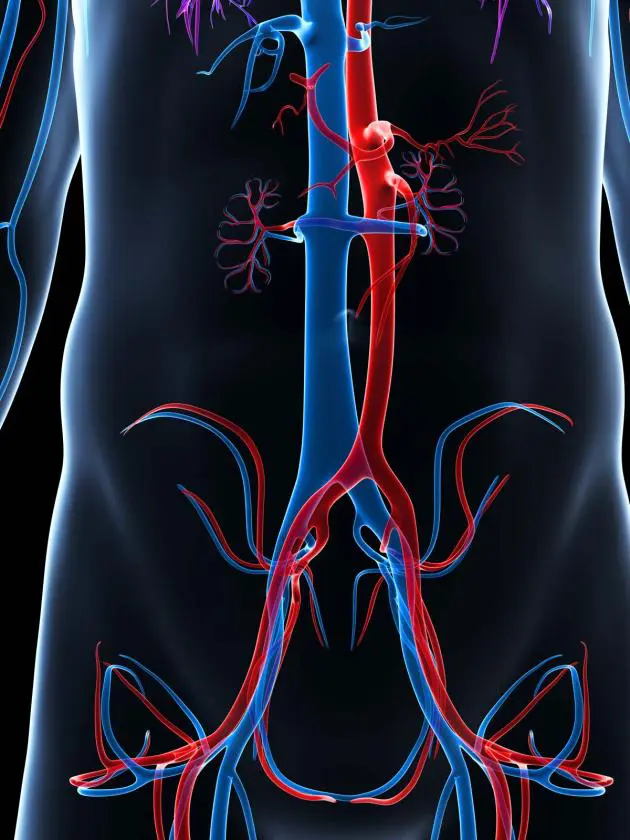
The aorta is the main blood vessel that comes from the heart, flows through the stomach and branches to supply blood in both the legs. The problem occurs when the aorta in the abdominal begins to bulge out into a balloon, known as the Abdominal Aortic Aneurysm. If the aorta continues to expand, it may burst, causing a lot of bleeding, and if not stopped in a few hours can and often does lead to death.
What makes AAA even more dangerous is that it’s a silent creeper. You may have it and not even know, because there aren’t any real symptoms until it actually bursts. If you’re lucky you may get a sign or two in the form of a back or belly pain that can help you identify that something may be wrong and get a check-up. An AAA is more likely to occur in men above the age of 60, in those who smoke, have hypertension and/or have seen a family member affected by the condition. If you fall in this category, include an abdominal organs ultrasound in your regular annual check-up. If AAA is detected in time, it can be easily monitored and treated if required.
An AAA becomes complicated if turns into an abdominal aortic dissection. A dissecting aneurysm, or aortic dissection, is a serious condition that occurs when a tear develops in the inner layer of the wall of the aorta. Through this tear, blood spills into the middle layer of the aortic wall, causing the inner and middle layers to separate or dissect. If the blood-filled channel ruptures through the outside aortic wall, then aortic dissection is likely to be fatal.
If the patient’s artery is less than 5 cm, with no other health concerns, normally the chances of bursting are still low, so no treatment is required. The doctor only needs to regularly check on the size and growth. If it’s wider, then the doctor discusses the pros and cons of both the treatment options with the patient.
In open surgery, a cut is made through the abdomen or the side of the patient and the surgeon replaces the aortic aneurysm with a graft that acts as a replacement blood vessel. The surgery takes about 2-4 hours to complete. Open surgery has a 95 per cent success rate while the second procedure, known as endovascular repair, has a 99 per cent success rate. This is a less invasive procedure when a stent graft in placed inside the aorta.
After the open surgery, the patients need to come back for a check-up after 2-3 years, while for the endovascular treatment, the patients have to return for follow-ups once every 6 months to a year. In most cases, the doctor normally recommends the open surgery for those under the age of 60, because they have a longer life expectancy and it may be inconvenient to keep having regular follow-up check-ups. Those older or those not healthy enough for full-fledged surgery, the doctor recommends the endovascular repair because it’s safer for them. However, this depends on the quality of the arteries so it really is case dependent.
If the artery was not detected, or left untreated, a surgery can still be done as soon as possible after the artery bursts, but by now the success rate has dropped to about 50 per cent for open surgery and 20 per cent for endovascular surgery, so having regular check-ups can help avoid such a situation. If the burst occurs, the patient’s family or friends can help by getting the patient to the hospital as soon as possible. Try to keep the patient conscious and keep the systolic blood pressure not too high.
DR KHAMIN CHINSAKCHAI is a Vascular Surgeon and Dr Anuchit Ruamthanthong a Radiologist at Samitivej Sukhumvit Hospital. |They can be contacted at (02) 7118585-7.
