
Pets and the rich man's world


Play
Love means never being sorry about necessary expenses
BEFORE YOU bring that cute puppy or kitten into your home, you need to consider the expense of keeping your new pet.
Food, medical treatments (including vaccinations) and hygienic products (such as cat sand) can add up rather quickly.
Being economical with food may not be a good idea. The leftovers from your table may be fine for humans, but for cats and dogs, such an unbalanced diet can be harmful to their health. Any kind of people food is really unsuitable.
I once met a cat whose owners fed her a combination of sardines in tomato sauce and rice. “It's much cheaper than catfood,” they smiled, “and she loves it.”
When I pointed out that the tomatoes, garlic and onions in the sauce, as well as all the oil, would eventually kill her, they laughed. “Look at her,” they said. “She's completely healthy.”
At that point, she looked all right. When I saw her three years later, though, she was one sick cat. I'm not a vet, but I could guess that her kidneys were failing from the large amount of oil she had been eating. She was probably suffering from anemia too, brought on by the ingestion of garlic and onions, which should never be fed to a cat or dog.
At that point, they could have made the remainder of her life much more comfortable had they taken her to a vet for treatment, but they said vets were too expensive, and they didn't have the money.
But they did have the money – there were three cars in their carport, two motorcycles and those holidays abroad.
These people didn't really want to think about spending money on an animal, but it is a consideration for those of you who believe that “a pet is forever”.
And with “forever”, circumstances can change. As my animals grow older, their food expenses have been rising. Two of my elderly cats suffer from kidney problems, and they need special food that puts less strain on their bodies but does cost more than regular food.
At the same time, medical expenses have been increasing, such as the injections of saline solution three times a week these two cats need.
The two cats with feline Aids are doing all right so far, but white lady Mekhala, whose Aids is further along than Varee's, needs constant blood tests, to ensure that we're doing as much as possible to battle a virus that will eventually win.
You also need to plan for accidents. Thong, a very young soi cat, has caused a great deal of expense these past few months, with his health problems, falls and encounters with spiders.
Since he comes into my house and interacts with my own cats, I must ensure that he's as healthy as possible. In addition, he and his buddy Thep are vaccinated along with my herd to reduce any possibility of the two of them carrying contagious diseases that would affect my other animals.
Cutting out vaccinations is not a good cost-saving move.
I wish all these expenses were lower, but I'm lucky enough to be able to handle them for now.
There's one other expense that's entirely my own fault. I go into a pet shop and see all the toys that I think my dog and the cats would love, and I automatically reach for my wallet. My house is full of these toys – dolls, chew toys and an expensive ball of compressed catnip.
Can you guess how much my animals have played with that ball? Two minutes, tops.
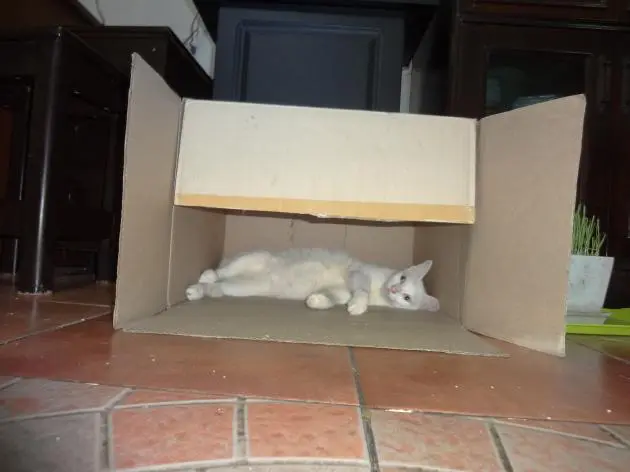
Can you guess what their favourite toy is? An empty cardboard box, which serves as a scratching post and cave. It was free.
There are ways to save money on your pets. It depends on your common sense.
