
Speaking through their hands


Play
Disabled kids aim for the top spot and a place in the Guinness Book of Records with their handprints
“Let’s collect handprints from children with disabilities to make the world’s largest picture.”
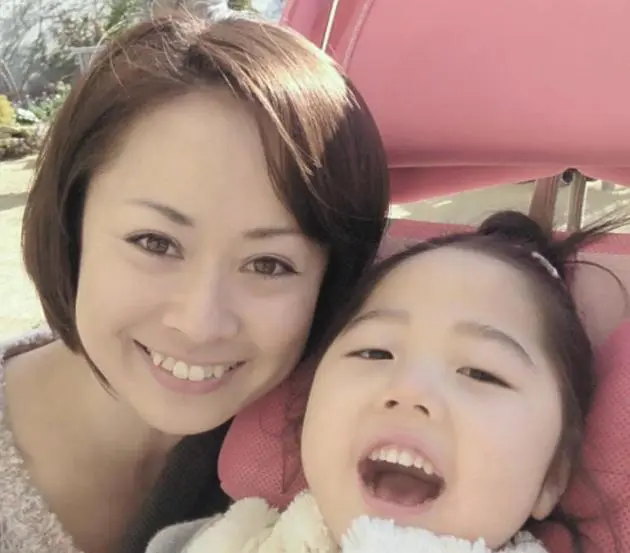
This call, sent out by a Tokyo mother whose daughter has an intractable disease, has created a widening circle of compassion.
So far, about 500 handprints have been sent in by children with disabilities from around the country.
The eventual goals are to use the handprints to create a single picture large enough to be recognised by Guinness World Records and to exhibit the picture at the 2020 Paralympic Games in Tokyo.
Called the Hand Stamp Art Project, the initiative seeks to create a single mosaic-like picture out of handprints sent in by children 18 or younger with disabilities or intractable diseases.
Rieko Nagamine, a 36-year-old homemaker from Setagaya Ward, Tokyo, and others started the project in January.
Nagamine’s daughter Kanon began having severe seizures soon after she was born, and was eventually diagnosed with intractable epilepsy.
A doctor said Kanon, now 5, would be bedridden for life.
Watching her daughter suffer through dozens of seizures every day, Nagamine said she would apologise to her over and over for not being able to give her a healthy life.
Being constantly on alert for the next seizure was wearing on Nagamine, physically and mentally.
But once, when Nagamine was changing Kanon’s diapers at about 18 months old, her daughter smiled at her.
Her heart trembled, and she felt tears on her cheek – it was Kanon’s first smile, something Nagamine thought she might never see.
“I’m going to live just to see this girl smile," she decided.
About two years ago, Kanon started going to a care and education facility in Tokyo’s Ota Ward.
She could not keep her head stable or speak, but she could see and hear, and she smiled more often.
Most of the children who come to the facility have serious disabilities. Many die while they are still young.
Nagamine thought if children with disabilities and their families, who tend to be pessimistic about life, got together, they could achieve something big.
Participants in the art project were recruited at the care facility and online.
Even a child who is hospitalised or unconscious can give a handprint, as long as paper and ink are available.
Wanting to show that even children with disabilities can become No 1 at something if they work together, they set their sights high: a Guinness World Record and displaying the picture at the 2020 Tokyo Paralympics.
The plan is to use handprints cut out from the paper they were made on to make a single large picture. The design has not yet been decided.
“Once we get a certain number of handprints, we’ll start thinking about a design that expresses our thoughts," Nagamine says.
The project has received about 500 handprints from children with disabilities all over the country.
There are handprints from children with only one finger, and some children used a cheek or foot to make prints on paper because their hands are paralysed.
Nagamine says the individuality of the handprints has shown her how many children there are struggling with disabilities, and how many families there are supporting them.
Chie Sugawara, a homemaker from Ota Ward, has a 3-year-old son, Daiya, who has a serious disease affecting his brain and kidneys.
“We might not have much time together, so I want to do what I can to keep going as long as possible,” she says.
She’s told Daiya, “Keep fighting until the Paralympics and we’ll see the picture in the stadium together."
“Handprints show how earnestly the children are living and how much their families love them,” Nagamine says.
“People who see a picture created out of these small, bright handprints will think about the meaning of life,” she says.
BOX
Disability in figures
The Japanese Health, Labour and Welfare Ministry estimates there are about 78,000 children under 18 with physical disabilities nationwide.
About 72,700 of these children live at home, and of these almost 70 per cent have severe disabilities.
Physical disabilities such as those affecting the arms or legs are most common, affecting about 42,300 children.
For more information about the group’s activities, visit www.HandStampArt.com.
