
Preventing paediatric liver disease


Play
For a mother there can be little worse than giving her child a disease simply because of a lack of knowledge.
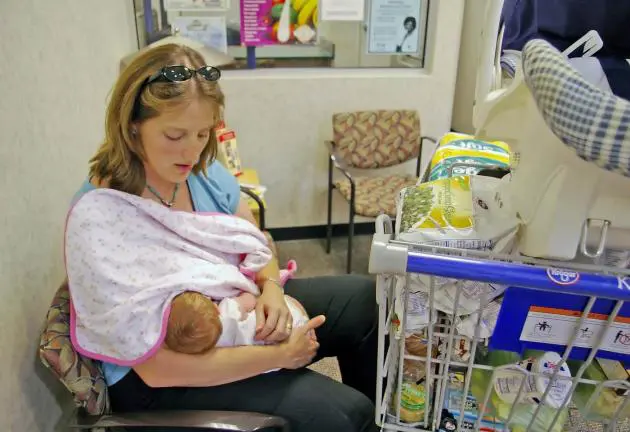
For example, how many mums out there know that hepatitis can be caused by maternal drugs and foods through breastfeeding? A recent survey revealed that the number of children affected by hepatitis is on the increase, underlining that a breastfeeding mother should be careful about what she consumes and avoid not only medications but also herbal food supplements as well as any herbs or food that contain alcohol. Eating peanuts, dried chilli, corn, dried cereals and fermented products is also best avoided.
The liver is a vital organ. It removes toxins from the blood; produces proteins that carry iron, copper and other minerals; boosts the immune system; regulates blood clotting; and produces bile to digest and absorb fats and fat soluble vitamins.
Glycogen in the liver serves as a storage to maintain blood glucose levels. The liver stores vitamins A, D, E, K and B. Liver cells also produce cholesterol and secrete it in bile. The liver eliminates toxins through urine and stool.
A foetal liver begins to function clinically at 31 weeks but does not function completely until 2 years of age. Because a child’s liver is weaker than an adult’s, children are more easily affected by hepatitis.
In addition to toxins, chemicals and medications passed on through breast milk, paediatric liver disease can also be caused by several other factors.
These factors include viral hepatitis A, B, C, D and E; viral infections including influenza, dengue fever, rubella and chicken pox; bacteria and parasites including staphylococcus, shigella, leptospirosis, liver abscesses and opisthorchiasis; biliary atresia; metabolism diseases; genetic diseases; and the effects of certain diseases such as heart disease, cancer and blocked abdominal vessels.
The most common types of viral hepatitis are hepatitis A and hepatitis B. Transmission from mother to infant can be prevented. All pregnant women should be screened for hepatitis B. If the risk of a severe outcome is identified, a hepatitis B immunoglobulin must be given to the infant within 24 hours of birth. A total of 3-4 shots are usually required to protect the infant from the hepatitis B virus infection. The mother should also be monitored for hepatitis B treatment.
If at two weeks after birth the infant’s eyes and skin become yellow and he/she is producing dark urine and pale stool, this is strongly indicative that the infant may have a liver problem and must be evaluated by a doctor immediately. If liver disease is identified early when it is still a mild case, it can be cured.
However, if it is acute liver failure with yellow colouring of the skin or the eyes, an overall sickly appearance, fever, abdominal bloating and unconsciousness, it is vital that the child is diagnosed within the first 2-3 days if he or she is to recover. If left untreated to the point of a very obvious yellowing of the skin and eyes or unconsciousness, the child will need to be treated in an intensive care unit. In case of acute liver failure symptoms – unconsciousness and bleeding in the mouth and skin in conjunction with kidney failure and brain death – the condition cannot be cured.
If a child has cirrhosis with acute or chronic liver failure, a liver transplant is required. A liver transplantation is easier in children than in adults. Only 1/8 of the liver or less than 2 per cent of the body weight is required, thus a portion of a liver can be taken from a living relative. The leftover liver can function even when some parts are cut off. However, the donor’s liver must be healthy so that it can function properly in the child after transplantation.
PROFESSOR BOOSBA VIVATVAKIN is a specialist in Paediatric Gastroenterology and Hepatology at Samitivej International Children’s Hospital. Call (02) 711 8236-7 (Sukhumvit) or |(02) 378 9082-3 (Srinakarin).
