
Catheterisation that can save your heart


Play
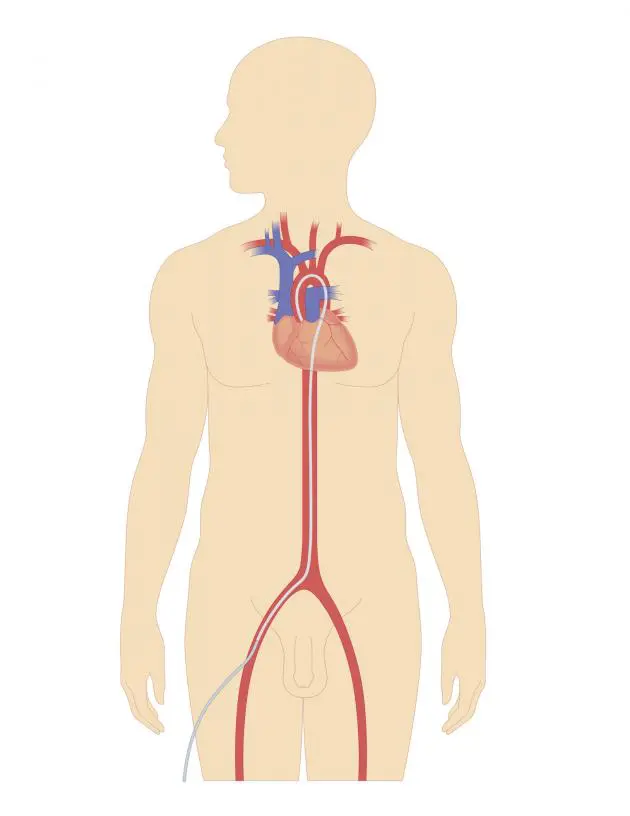
Cardiac catheterization is a procedure that allows a |doctor to diagnose heart |disease.
Generally performed under local anaesthesia, it involves the insertion of a thin flexible tube (catheter) into a chamber of the heart via an artery in the groin or wrist using contrast media (a special type of dye) to assess the coronary artery, the blood vessel that supplies oxygen and nutrient to the heart muscles.
Cardiac catheterization is recommended for patients with such symptoms as unexplained chest pain or abnormal results of an exercise stress test or electrocardiogram. These conditions usually occur in patients with coronary artery disease caused by an accumulation of fatty materials on the inner linings of the arteries. The resulting blockage restricts blood flow to the heart. Patients suffering from chest pain, exhaustion and pulmonary oedema should receive an additional examination to ensure accurate diagnosis and prompt treatment.
If a narrowing of the coronary arteries is detected from the coronary angiography (liquid dye injection), a percutaneous coronary intervention and stent will be administered in the same session. The insertion of a stent (mesh tube) is used to treat narrowed coronary arteries and prevent constriction. It is a permanent implant. There are 3 kinds of stents as follows:
l Bare-metal stent
Some patients may experience a recurrence of the condition following application of a bare-metal stent. However, the recurrence rate for the bare-metal stent is lower than for balloon angioplasty alone. The recurrence of stenosis, a narrowing of a blood vessel, or restenosis as it is known, after bare-metal stent application is due to the development of lipid-rich plaque and fibrin deposits inside the stent and occurs in 15-20 per cent of patients.
l Drug-eluting stent
A drug-eluting stent can reduce restenosis by 3-8%. The doctor may insert the drug-eluting stent in patients with potential higher restenosis rates, such as patients with diabetes.
- Bioresorbable Vascular Scaffold (BVS)
The Bioresorbable Vascular Scaffold (BVS) is a new treatment option for coronary artery disease. It is similar to the drug-eluting stent, but dissolvable. It is made of polylactide, which has been used in other dissolvable medical devices, such as stitches. There are several benefits associated with the BVS. Patients do not have to undergo long-term treatment with anti-platelet medications because the BVS is resorbed within 3 years, doing away with the need to worry about stent thrombosis after discontinuing anti-platelet medications.
Cardiac catheterization offers several benefits. It provides accurate diagnosis and gives immediate results after the contrast media is injected. If a narrowing of the coronary arteries is detected, the doctor can provide treatment immediately. It is a low-risk non-surgical treatment that requires no more than local anaesthesia and patients recover within 1-2 days. If there are no complications, they can then return to their daily activities.
Cardiac catheterization can be used to treat the following congenital heart conditions or defects without the need for surgery:
l Closure device of atrial septal defect (ASD) or a hole in the heart
l Dilatation of congenital valve disease
l Dilatation of mitral stenosis (a narrowing of the mitral valve), especially rheumatic heart disease
l Dilatation of severe aortic stenosis at high risk for valve replacement.
In addition to the treatment of coronary arteries, cardiac catheterization is used to treat peripheral artery disease, a condition in which fatty patches or plaque develop within the inside lining of the arteries, causing the inflammation of tissues and fibrosis in the area, leading to a narrowing of the arteries. This is called artherosclerosis.
This condition generally occurs in elderly patients and in people who smoke, have diabetes, high blood pressure and high blood cholesterol diseases such as peripheral artery disease (PAD). The condition can be treated by balloon angioplasty, similar to coronary artery treatment.
Cardiac catheterization is a good treatment option for peripheral artery disease as it is non-invasive procedure and does not require general anaesthetic. The procedure is performed in the arteries of the legs through a 1.6 mm incision in the groin. The incision will be sealed within 6-8 hours. Patients are hospitalized and observed for just1 day. If there are no complications, they can then go home.
DR PRAPON DITRUNGROJ is a Cardiologist attached to |Samitivej Srinakarin Hospital’s Heart Institute. Call (02) 378 9114.
