
Oodles of noodles


Play
A favourite with the Japanese and tourists in Tokyo, Kyushu Jangara's ramen finds its way to Bangkok
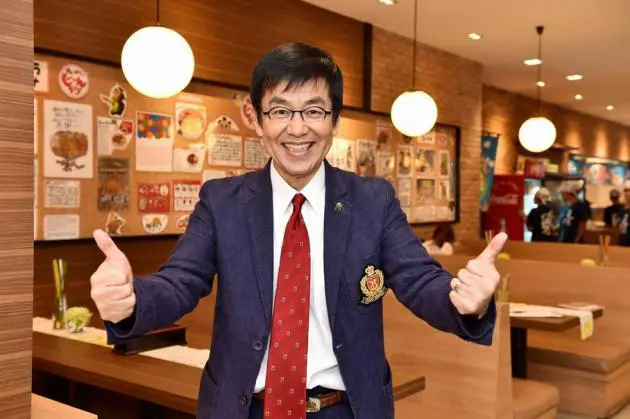
JAPANESE RAMEN king Takashi Shimokawa, founder of the Kyushu Jangara chain, has built a successful empire around his delicious ramen with long queues forming outside his outlets all over Tokyo both day and night. In 2000, the Kyushu-style noodles were voted the No 1 ramen by Fuji Television Network and three years later named the most delicious by Tokyo Isshukan magazine. In 2013, the ramen even made it to the in-flight menu of Japan Airlines.
Former Japanese Prime Minister Junichiro Koizumi was said to be a fan, as was the ex-WBA super flyweight champion Tomonobu Shimizu.
Now Shimokawa is bringing his noodles to Thailand, with the opening last month of the chain’s first overseas outlet at J Avenue on Soi Thonglor.
The rights have been snapped up by Chalermchai Mahagitsiri, chief executive of PM Group, and he’s thrilled that Thais are getting to taste one of Tokyo’s favourite foods.
Shimokawa too is delighted with the new shop. “I’m looking forward to hearing the Thai people’s comments about my ramen so that I can develop a taste especially for them,” Shimokawa told XP during the restaurant’s grand opening.
Born in Tokyo, Shimokawa moved to Kumamoto in Kyushu, southwest of the main island Honshu as a toddler after his parents split up. He was raised there in the middle of his mother’s family, almost all of them doctors. He returned to Tokyo to study politics at Keio University.
“When I was young, I never really thought about what I wanted to do in the future. I wasn’t particularly inspired by politics either but I did want to go university,” he recalls.
“Being an only child saddened me. But living in Kumamoto at least gave me the chance to get to know the local ramen,” he laughs.
After graduation, he worked at Yakult but after three years quit and set up his own tutorial school in Osaki, Shinagawa ward, for children to study from elementary to high school.
“My first group of students is now about 50 years old,” he says. “I used to teach social subjects about how to happily live in society. Even today, I am passing on the same message. Written on the back of the waiting staffs’ t-shirts is ‘kokoro mo karada mo genki ga ichiban’, which means ‘a healthy mind and body is the most important’.”
When the tutorial school faced financial problems, Shimokawa decided jangara ramen was the answer. His first restaurant opened in Akihabara in 1984.
“I wanted to help my students get on in life. Several of my countrymen doubted that a tutorial school and a ramen shop could run side by side and I was happy to do both.
“I wanted to make my ramen different from those available on the Tokyo market and invited a friend from university to help me out. He was reluctant at first because he lived a long way out but he eventually agreed, spending eight hours in the kitchen making the ‘kakuni’ [braised pork] broth. In Kyushu-style ramen, the noodles are small, tender and chewy so that the fishermen can eat them more easily while at sea,” he explains.
But Tokyo residents weren’t accustomed to Kyushu-style ramen and initially found it too oily and dense. Yet six months later, after the shop appeared on a television programme, they were flocking in.
“A customer said that he came because we all looked happy and that made him feel good. Another grew up with Jangara ramen and was delighted to find it in Tokyo,” says the smiling Japanese owner.
The walls of the new Bangkok outlet are dotted with pieces of paper boasting spiritual messages, just like the restaurants in Japan.
“One of the messages reads ‘there is someone always beside you somewhere’, which I used to tell kids on their own and it always made them feel better,” says Shimokawa, pointing to a slip of paper decorated with an illustration of a dog.
The first Kyushu Jangara ramen restaurant in the Kingdom offers four different soups of tonkotsu ramen: the original Kyushu Jangara ramen, miso ramen, black ramen, and red ramen. All feature large tasty pieces of braised pork belly with mentaiko (marinated cod roe), bamboo shoots and poached egg.
“It takes its name from the Jangara Festival in Nagasaki. ‘Jangara’ is the sound of a cymbal and ‘gara’ is the sound of the taiko drum,” Shimokawa says.
Bountiful Bowls
- Kyushu Jangara Ramen on the second floor of J Avenue in Soi Thonglor 15.
- It’s open daily from 11am to 11pm.
- Make a reservation at |(02) 712 9678 or visit to Facebook.com/kyushujangarathailand.
