
Organic wines for palate and planet


Play
Trimming the use of chemicals in the vineyard results in healthier tipples that are just as tasty
The other big global trend in wine – along with inventive ways to pair it with food – is organic wine. Yes, all grapes grow on natural vines, but they usually have chemical assistance. Now there are wines that shun all such help, as well as what Benjawan Wisootsat calls “technological input”.
Benjawan is the managing director at Fin, the Thai importer and distributor, and he’s delighted to be bringing in healthier, more environmentally friendly choices.
Fin is among the first importers in Thailand to ride the wave in organic wine that began in Europe and the US a couple of years ago. It specialises in “boutique” products – more than 260 labels from 80 makers in 18 countries. Now it offers Fin Naturally, touted as “sustainable and natural wines”.
“It’s not easy to resist the luxuries that bring us ease and comfort, but a lot of these luxuries cause both direct and indirect damage to our planet,” Benjawan says. “The use of chemical and technological input to create products and supply consumers might benefit businesses by making the products more accessible and plentiful, but people should pay more attention to sustainability issues and allow natural resources to regenerate.”
There are three commendable practices in viticulture, he says – sustainable, organic and biodynamic.
“The vineyard is regarded as an ecosystem and is cultivated in nourishing ways to keep it healthy enough to yield pure grapes that make unique wines. Grapes grown in organic and biodynamic soil – rich in micro-organisms – appear to be better for the environment and better for your health since they contain more natural antioxidants and nutrition.
“These methods also bring out the true characteristics of the grape varietal and the terroir in the glass. The wines are pure, genuine and much different from the wines you’ve already experienced.”
Biodynamic viticulture is a more holistic approach to the organic farming developed by Rudolf Steiner in the 1920s. It sees the vineyard as an integrated part of the planet – even the solar system as a whole – where everything has an impact on everything else. The idea is to develop biodiversity within the vineyard.
Sustainable viticulture, Benjawan says, comes down to reducing the use of chemicals. The result is such fine wines as Weingut Franz Taferner’s Gelber Muskateller 2013, which is beautifully structured, harmonious and refreshing, and Elisabetta Foradori’s Teroldego Sgarzon DOC 2012, with its mineral-driven finish, highly rated by Wine Spectator magazine.
In light of the adage “You are what you eat”, organic wine appears to be not so much a trend as a movement. Word has spread rapidly and consumers are showing keen interest. Among the wines that’s really caught on is one from Spain called |“g Dehesa Gago DO 2013” by Telmo Rodriguez, made with pure Tempranillo from Toro and aged in stainless steel. Austrian firm Fred Loimer Loiserberg produces Riesling DAC Reserve 2013, a rich wine with stone-fruit intensity in the aroma and a crisp acid backbone. Wittmann’s Gruner Silvaner QbA Trocken 2013 refreshes the palate with juicy green apple and shades of yellow fruit, with mineral notes in the finish.
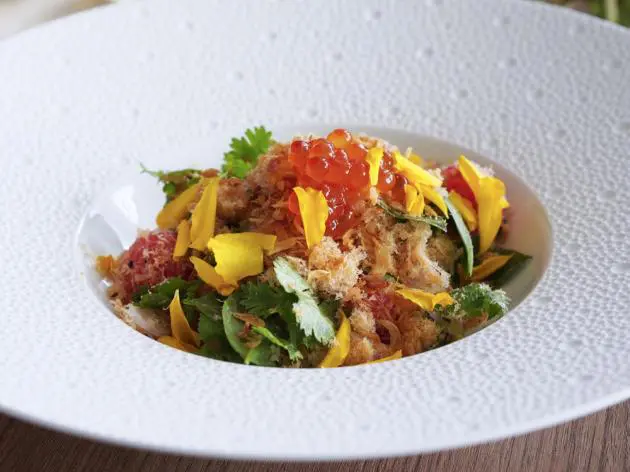
And these wines go great with food, as well, as a recent pairing lunch at the Thai restaurant Paste proved. Sweet and savoury watermelon and ground salmon with crispy shallots were perfect matches for Fred Loimer’s 2013 Rose Zweigelt. The multilayered aroma of red berries and fresh green grass enhanced the natural sweetness of the watermelon, while the pleasant dryness cut the oiliness of the salmon.
A spicy-sour dish, Grilled Cream King Prawns, Lemongrass, Young Ginger and Mandarin Juice, found its ideal partner in 2014 Chablis AOC from Domaine Philippe Goulley from France. The red apple and slight hint of pineapple went well with the herbs, while the good length and smooth finish rounded out the tang of the dressing.
Reds that complement heavily seasoned curries and herb dishes include the smoky, rich 2013 Santenay “La Comme” Premier Cru and the perfumed, full-bodied 2012 Chateauneuf du Pape LePlan Classic, which sports a broad sensation in the mouth with light to moderate tannin but no hard edges.
<Find out more about Fin at www.Fin-Wine.com.
