
No payoff to NHL from prior Olympics - Commissioner
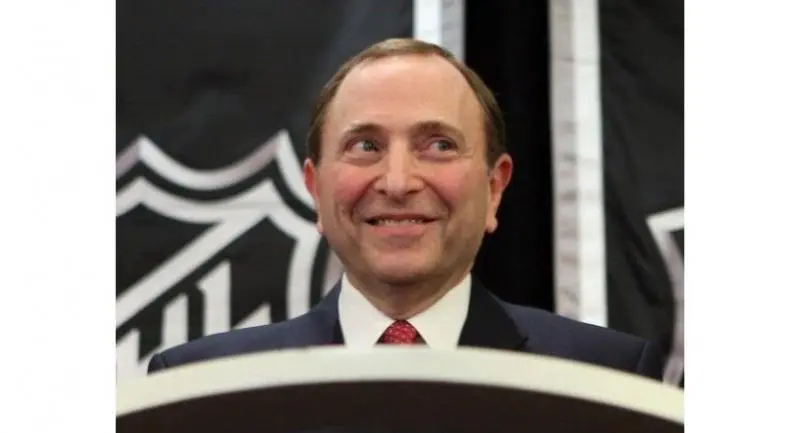


NEW YORK - The 2018 Pyeongchang Winter Olympics makes little sense for the NHL after the league's participation in five prior Olympics produced no payoff, Commissioner Gary Bettman said Tuesday.
"Why did we do it for five times? Seemed like a good idea at the time," said Bettman, Commissioner of the National Hockey League. "We have been unable to quantify any benefit from it."
Bettman, speaking at a sports business conference, suggested the IOC's appeals to the NHL's sense of Olympic spirit would not be sufficient in light of the poor business case.
The league's participation has been in doubt in part over the NHL's dissatisfaction with compensation from the IOC for insurance and travel costs to the 2014 Sochi games.
But Bettman said the NHL's gripes go beyond that issue.
"I've said why don't you just treat us like a top sponsor? Maybe if we could promote the fact that we are there," he said.
"This has never been about the money. It didn't resonate at all. The IOC is very protective of its intellectual property and so are we."
The NHL chief reviewed a litany of drawbacks.
Unlike when the winter games are held in North America and hockey games are contested in prime-time, Korea's games would be played either in the middle of the night in the United States, or early in the workday, less-than-optimal broadcast times.
Moreover, the games would interrupt the league's regular season during an important stretch after the US football Super Bowl finale is played and before the US baseball season kicks in.
Playing in the games is popular among 150 or so NHL players who go, but it doesn't make sense for the vast majority of athletes who don't participate. Bettman estimated a league-wide vote would go 550 to 150 against going.
Bettman touted the hockey World Cup as an event that could be held every four years after rating the 2016 competition held in Canada as a success.
"Having reestablished the World Cup as a major event the way we did, we will be looking for opportunities to take it anywhere in the world that makes sense," he said.
Bettman cited Northern Europe as a particularly strong hockey market and said the NFL would try to work with existing leagues in Sweden, Germany and other countries in the region that would be complementary.
He also said the NHL was committed to growing its presence in Asia, particularly China.
