
Ethnicity in art
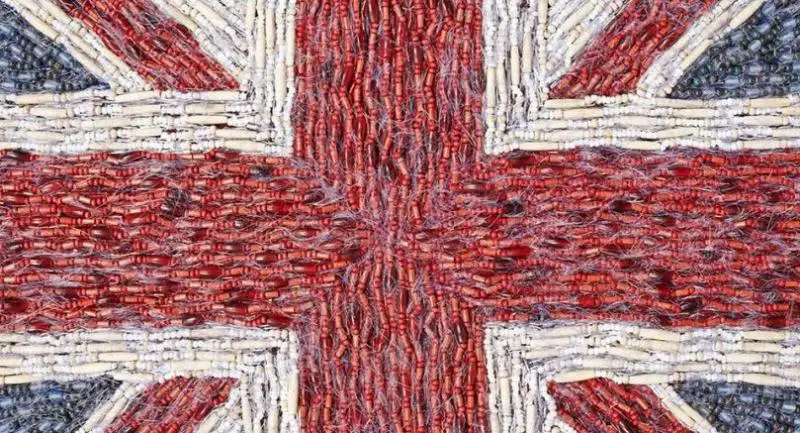


Jakkai Siributr reflects on the politics of ethnicity and religion in “Displaced”, a new exhibition that opens tomorrow in the fourth floor studio of the Bangkok Art and Culture Centre.
Jakkai’s art examines social contradictions and political frictions in Thailand and Southeast Asia today. Through a combination of irony and empathy, it trains a critical eye on entrenched customs and power-holders, probing their legitimacy.
Preoccupied with Thai Buddhism for more than a decade, Jakkai turned his attention to Thailand’s Deep South in 2014, spotlighting Muslim-Buddhist communal strife. From this concern came the installation 78, a sombre tribute to the 78 Thai Muslim civilians who died suffocated during their transportation in trucks by the Thai military in October 2004, which is being exhibited for the first time in Thailand in “Displaced”.
Continuing this thematic exploration is Jakkai’s costume- based piece “Changing Room”, which investigates how sectarian tensions affect different groups in the South. For this work, he transforms the songkok skull-caps worn by Muslim-Malay men, lining the white caps with camouflage-printed cloth, embroidered with images of violence borrowed from media coverage of the troubled South. Camouflage jackets of the Thai military are embroidered with happy and optimistic scenes appropriated from drawings by Thai Muslim school children.
In a third work, moving from Thailand to Myanmar, Jakkai scrutinises the plight of Buddhist Burma’s persecuted minority Muslim Rohingyas. “The Outlaw’s Flag” examines the Rohingya’s displacement via video and a flag installation. Through 21 invented “flags” —embroidered seeds and beads on Burmese longyi and monks’ robes – the artist points to the perniciousness of nationalism that with its boundaries and exclusions, is often used to excuse abuses of power. Paired with a two-screen video cryptically narrating the stateless Rohingya’s exile from Burma, Jakkai’s piece, through visual drama and artistic metaphor, brings attention to larger ethical issues of persecution and displacement, relevant everywhere today.
The exhibition, which is curated by Iola Lenzi, continues until May 13.
Find out more at (02) 214 6630 or visit www.bacc.or.th, Facebook.com/baccpage, and Twitter.com/baccnews.
