
Culture Ministry preserves historic glass negatives for future generations
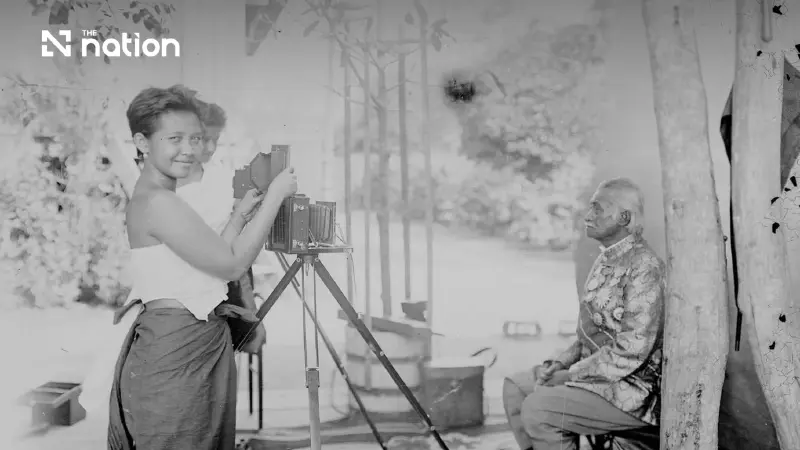


Thailand is preserving and digitising historic glass plate negatives and original prints that document the country’s history, society, culture and international relations.
Thailand’s Culture Ministry is stepping up efforts to preserve and provide wider public access to historic photographic glass plate negatives and original prints, recognising them as important evidence of the country’s history, society and culture.
Far more than old photographs stored in an archive, the collection records many dimensions of Thailand’s past, including politics, society, culture and international relations.
The ministry is continuing its work to preserve and disseminate this cultural heritage so that it remains accessible to present and future generations.

Culture Minister Sabeeda Thaised said glass plate negatives and original photographic prints represented an important stage in the development of photography in Thailand. Photography was introduced to Siam by foreigners during the reign of King Nangklao, Rama III, before undergoing significant development during the reign of King Mongkut, Rama IV.
One important historical example came when King Mongkut commissioned a foreign photographer to produce a daguerreotype royal portrait for presentation to Queen Victoria of the United Kingdom, forming part of efforts to strengthen relations between Siam and Britain.

From old photographs to records of Thai history
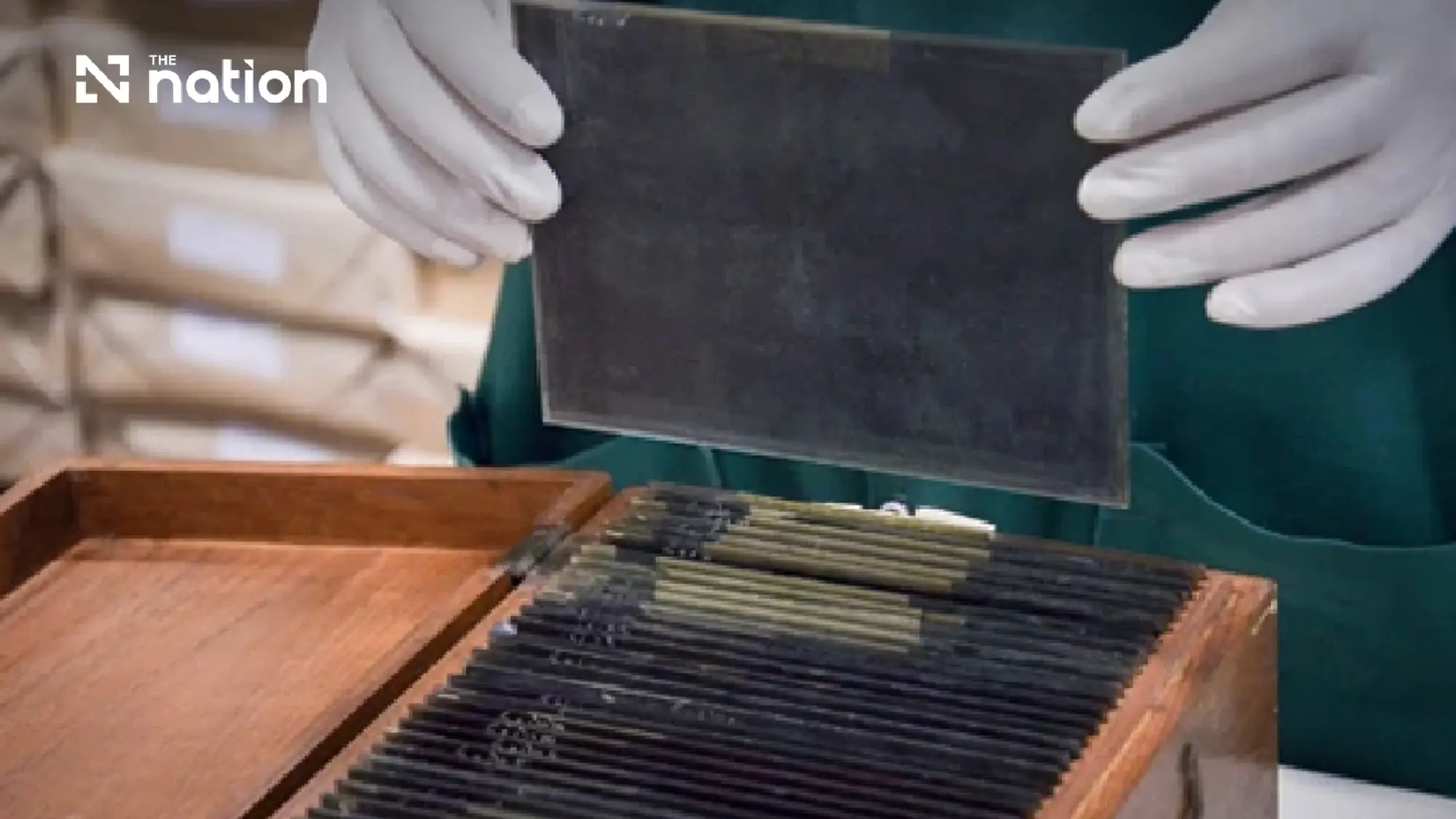
The glass plate negatives and original prints dating from the reign of King Mongkut through to that of King Prajadhipok, Rama VII, are now held by the National Archives of Thailand.
They include royal photographic collections associated with Prince Damrong Rajanubhab, as well as private photographs of King Chulalongkorn, Rama V, and King Vajiravudh, Rama VI, together with images from the Chaya Norasingh photographic studio.
The photographs were originally collected and kept at the Vajirayana Royal Library before eventually coming under the care of the National Archives.
As a result, the collection is not simply a repository of old images. It allows present-day researchers and members of the public to examine Thai society through photographs of events, people, places, daily life and the wider context of different historical periods.
In this sense, each image captures and preserves a particular moment in history.
The photographs also have artistic value, reflecting the photographers’ perspectives, techniques and changing aesthetics across different eras.

Thai society seen through the lens of the past
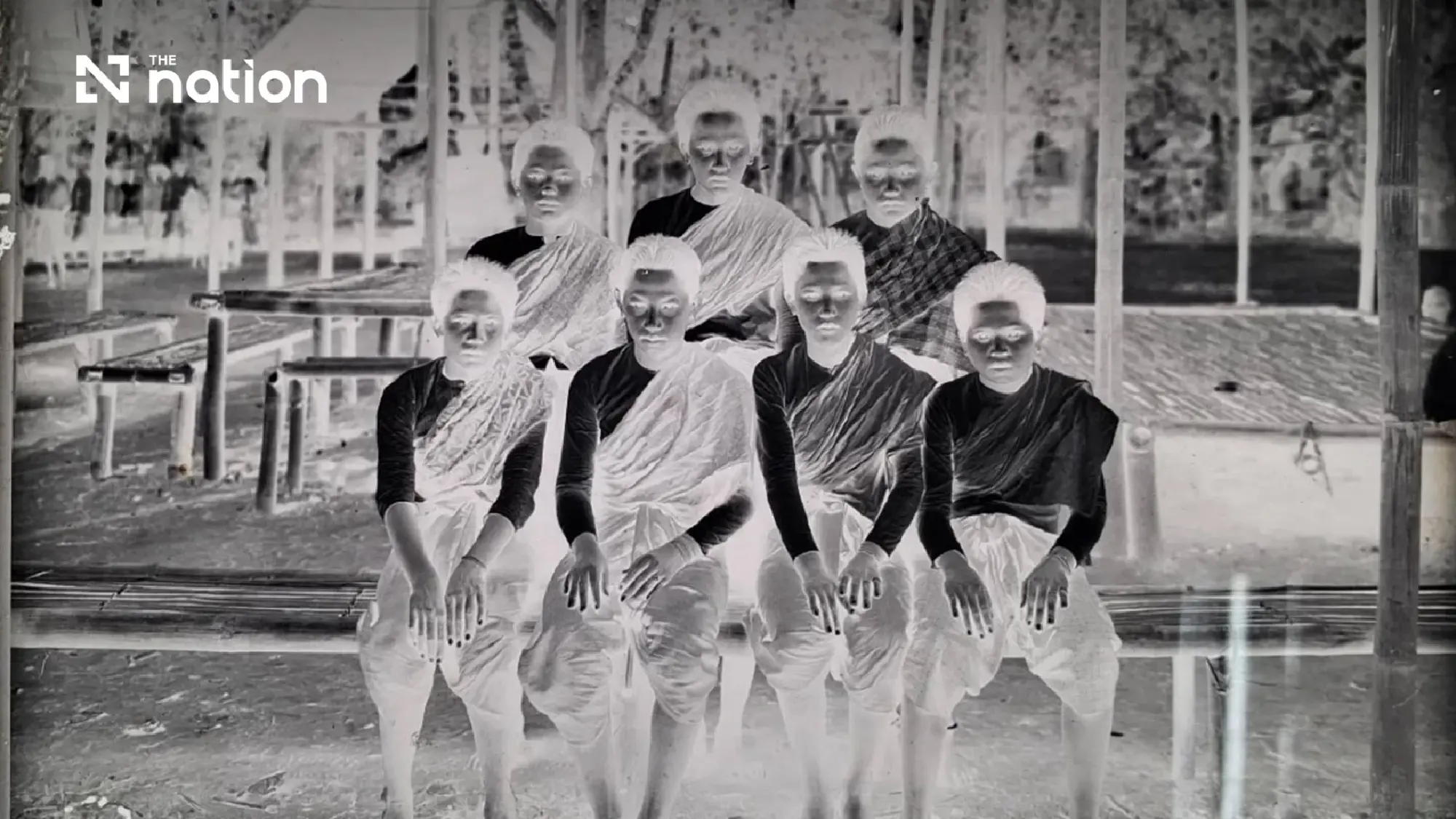
The collection also documents changes in Thai society, culture, politics and Siam’s relations with other countries, particularly during a period when Western powers were expanding their influence across Asia.
The images can be used to study social transformation, events surrounding the First World War and wider political and cultural changes that affected Siam.
The collection known officially as The Royal Photographic Glass Plate Negatives and Original Prints Collection was inscribed on UNESCO’s Memory of the World International Register in 2017. Thailand’s National Archives records the inscription date as October 30, 2017.

Preserving originals while opening a digital window
The Culture Ministry, through the Fine Arts Department and National Archives of Thailand, is responsible for conserving the glass plate negatives and original photographs as primary evidence for historical research.
Because the materials are fragile, and photographic processes involve chemical substances that can deteriorate over time, controlling storage conditions and minimising environmental risks are central to their conservation.
Their fragility also means the original glass plates cannot always be made directly available to researchers or members of the public.
The National Archives therefore follows archival conservation practices by transferring information from the originals into formats that can be accessed more safely, including enlarged photographic prints and digital files.
Detailed descriptions are also prepared with assistance from experts and academics in several fields.
Those involved include Special Professor Tongthong Chandransu and Special Associate Professor Pirasri Povatong, as well as local government agencies and overseas scholars, who contribute to the careful study and identification of people, places and events appearing in the images.

Bringing documentary heritage to younger generations
Members of the public can now view photographs reproduced from glass plate negatives through the National Archives’ online channels.
The collection is also being made more accessible through exhibitions, books and public discussions, giving audiences more ways to explore the knowledge contained in the archives.
Digital dissemination has become particularly important in connecting cultural heritage with younger generations.
It allows historical photographs to reach a much wider audience without requiring people to handle the fragile originals directly.


The Culture Ministry is also seeking greater cooperation with the private sector and the public to preserve Thailand’s cultural heritage in all its forms and to increase awareness of the importance of historical evidence.
A photograph can reveal far more than simply who appears in an image or what happened at a particular moment. It can document ways of life, ideas, society and the wider world of its time.
Preserving Thailand’s glass plate negatives and original photographs is therefore also a way of safeguarding the nation’s memory and passing its historical knowledge on to future generations.


