
Prehistoric Treasures Returned to Nakhon Phanom as Culture Ministry Eyes Global Heritage Status
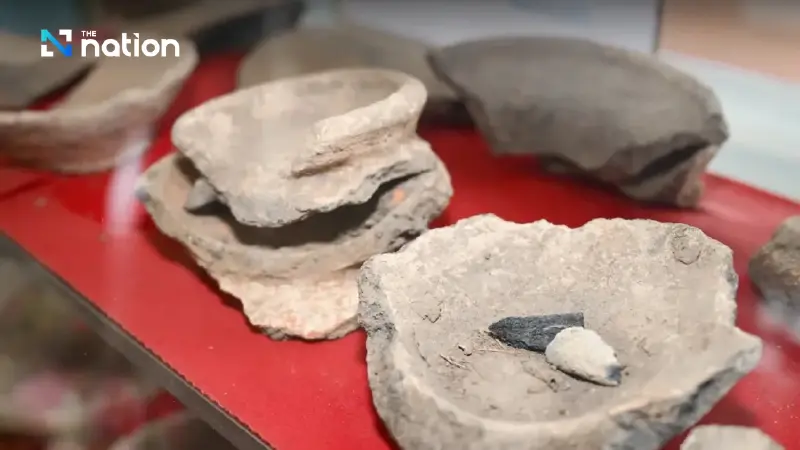


The handover of 3,000-year-old artefacts marks a strategic move to transform local archaeological sites into world-class cultural tourism destinations
- A collection of 3,000-year-old prehistoric artefacts, including bronze ornaments and ancient tools, has been officially returned to Nakhon Phanom.
- The handover is a key part of the Culture Ministry's strategy to transform the province's archaeological sites into world-class cultural tourism destinations.
- The government's plan includes upgrading infrastructure, linking historical sites to create a cohesive visitor experience, and fostering a local "creative economy" inspired by the ancient heritage.
- The initiative aims to use "Creative Cultural Tourism" to generate high-value income and create a sustainable economic model while preserving national treasures.
The handover of 3,000-year-old artefacts marks a strategic move to transform local archaeological sites into world-class cultural tourism destinations.
A collection of rare prehistoric artefacts, including bronze ornaments and ancient glass beads dating back three millennia, has been officially returned to Nakhon Phanom.
The handover marks the beginning of an ambitious government drive to elevate the province's archaeological sites into international "creative tourism" hubs.
Sabeeda Thaised, the Minister of Culture, travelled to the Kut Chim district on Friday to formally accept the antiquities, which were unearthed during excavations in 2010.
The collection—featuring round-bottomed earthenware, terracotta seals, and iron tools alongside delicate bronze jewellery—offers a rare glimpse into the sophisticated societies that inhabited the Mekong River basin between 2,300 and 3,000 years ago.

Preserving the "Roots of the Nation"
In a formal ceremony held at the Ban Kut Chim Museum, the minister entrusted the items to the local administration for permanent preservation.
The event also honoured 18 local residents who voluntarily surrendered private finds to the state, a gesture the minister hailed as essential for the protection of national treasures.
"Archaeological capital is the foundation of our history," Sabeeda remarked. "By returning these artefacts to their place of origin, we are not just preserving objects; we are empowering the community to study and take pride in their cultural roots."


From Antiquity to Economic Growth
The visit signals a shift in how the Ministry views heritage. Rather than keeping history behind glass, the government aims to integrate these "UNSEEN" archaeological sites into a broader lifestyle and travel circuit.
The strategy includes:
Infrastructure Development: Upgrading the Na Nong Chok archaeological site to meet international museum standards.
Cultural Hubs: Linking historical sites like Wat Phra That Renu with "Cultural Streets" and local theatres to create a cohesive visitor experience.
Creative Economy: Encouraging local entrepreneurs to draw inspiration from ancient motifs for modern community products.

As Nakhon Phanom faces a contraction in traditional economic sectors, the Ministry is betting on "Creative Cultural Tourism" to bridge the gap.
By connecting the province’s spiritual landmarks with its prehistoric past, officials hope to create a sustainable model of tourism that generates high-value income while safeguarding Thailand's ancient heritage.
