Joe Louis Theatre launches book on 125 years of Thai puppetry on Sept 24
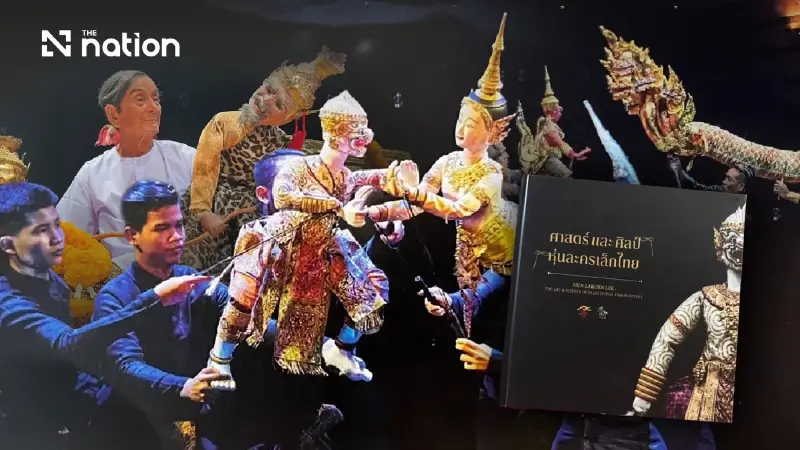


Copies of a new Thai puppetry book are going to libraries, with an English edition planned and interactive upgrades for the completed e-book.
- The Joe Louis Theatre is launching a book on September 24 that documents 125 years of traditional Thai puppetry, known as hun lakhon lek.
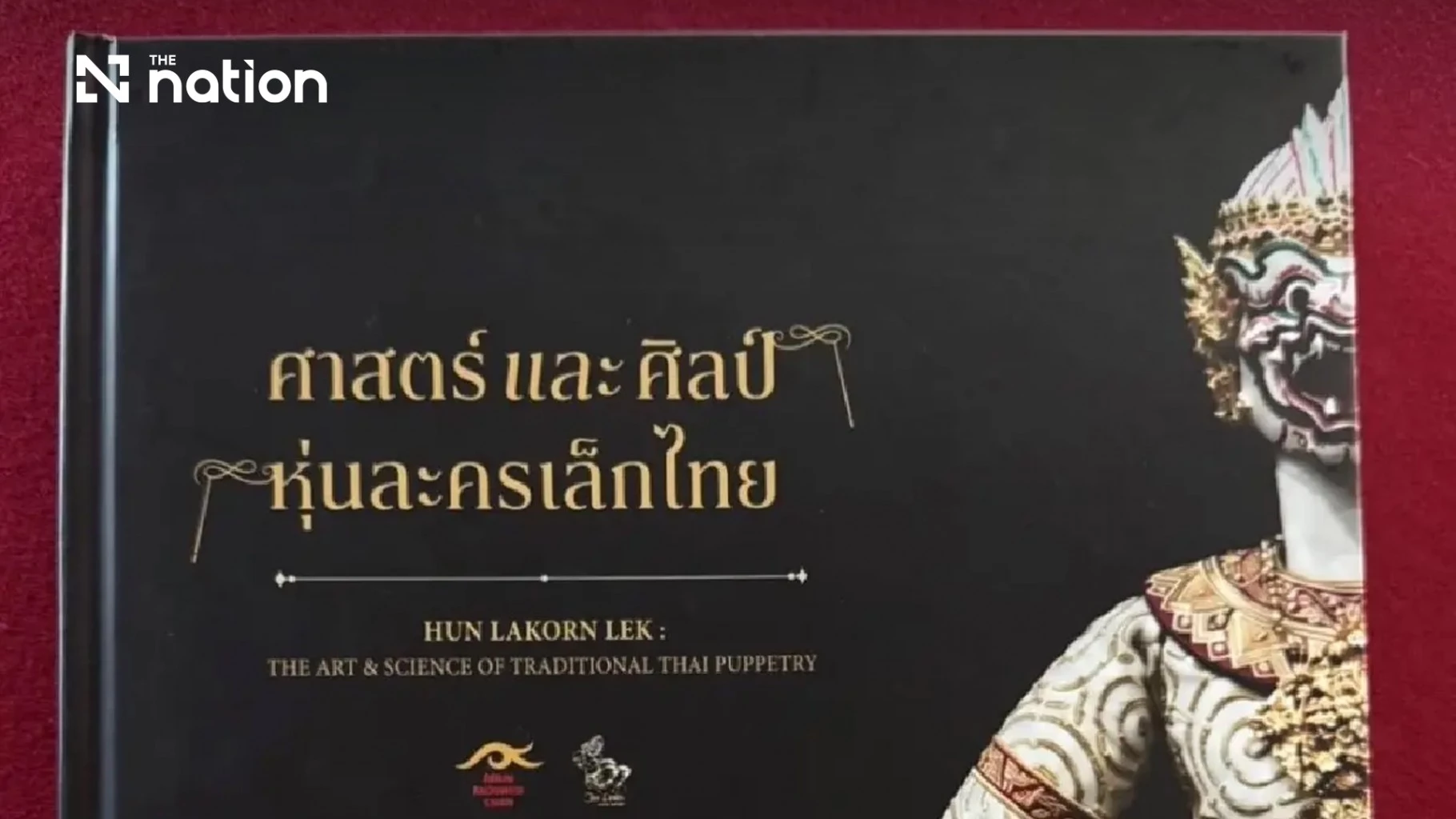
- Titled "Hun Lakorn Lek: The Art & Science of Traditional Thai Puppetry," it is described as the first comprehensive textbook on the subject, combining family interviews and extensive research.
- The initial 1,000-copy print run is being distributed to school and university libraries, with plans for a future English-language version and an interactive e-book.
The Yangkeawsod family behind the Joe Louis Traditional Thai Puppet Theatre has brought more than 125 years of Thai puppetry knowledge into a book launched on September 24, 2026, at Gallery 3 of the Ministry of Culture’s National Gallery.
Hun Lakorn Lek: The Art & Science of Traditional Thai Puppetry is described as Thailand’s first comprehensive textbook on hun lakhon lek, the small theatrical puppets whose tradition has passed through five generations of artists. The volume combines interviews with the family and extensive research into an art that has developed from folk entertainment into an internationally recognised performance tradition.

Copies from the hun lakhon lek book’s initial 1,000-copy print run are being sent to school and university libraries, and an English-language edition is planned.
The Thai puppetry book’s e-book edition is already complete. The Office of Contemporary Art and Culture, which is responsible for publishing it, plans to enhance the digital edition by adding interactive features.
For compiler Chanunya Choonak, the hun lakhon lek book follows 16 years of research that began during her master’s studies at Chulalongkorn University. Chanunya worked alongside the Joe Louis troupe, interviewing artists, taking photographs and gathering detailed accounts of the skills behind the performances.

Joe Louis family records a tradition revived in 1984
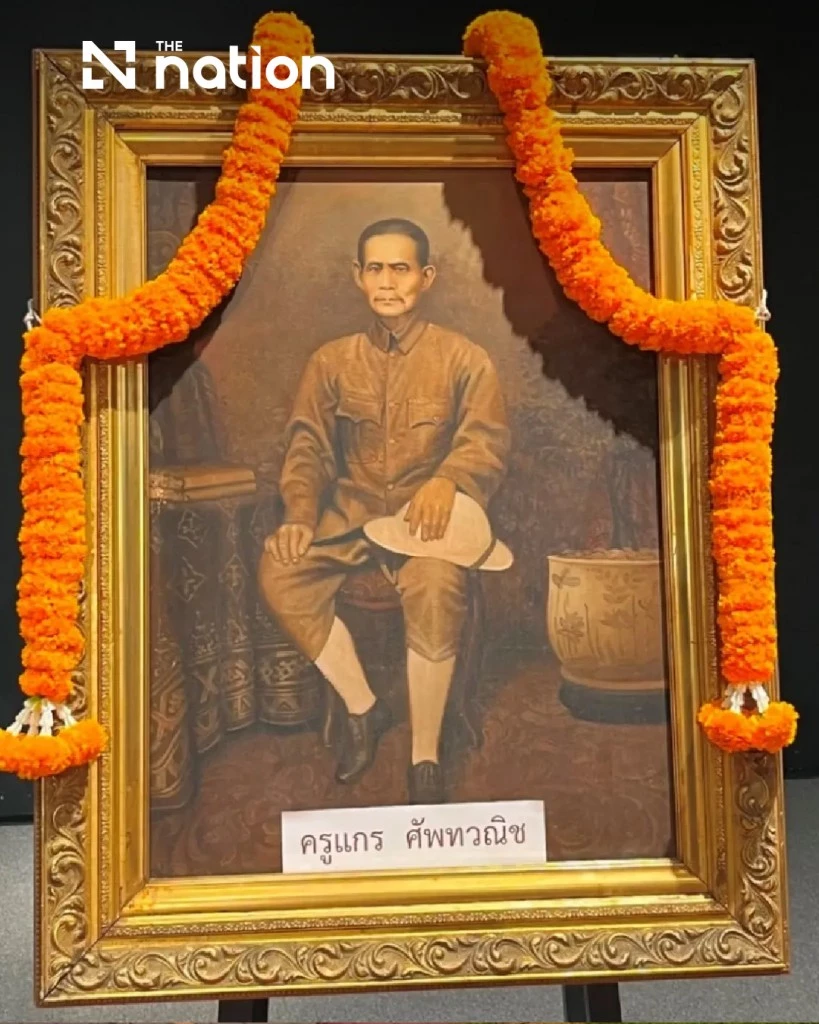
The hun lakhon lek textbook traces the art to Grae Suptawanich, known as Master Grae, who is credited with creating the puppets around 1901 during King Rama V’s reign. After the art declined in popularity, Sakorn Yangkeawsod, better known as Joe Louis, revived the tradition in 1984.
Sakorn, the son of a puppeteer in Grae’s troupe, received puppets made by Grae from Yhib Suptawanich. Yhib’s husband, Tongyoo, was Grae’s son and had run the troupe until his death; the handover to Sakorn was intended to ensure that the art survived.
Pisutr Yangkeawsod, Sakorn’s son and the founder and managing director of Nattayasala Hun Lakhon Lek, or the Joe Louis Traditional Thai Puppet Theatre, said fulfilling that commitment had repeatedly tested the family. The troupe began on a small open-air stage, struggling to pay rent and keep its theatre operating through major flooding, political upheaval and financial crises. “We shed tears in front of the stage many times,” Pisutr said.
“We felt we had been chosen to carry on this responsibility. If we did not do it, this art form might disappear,” Pisutr said, explaining why the family and a team sharing the same purpose had persevered.
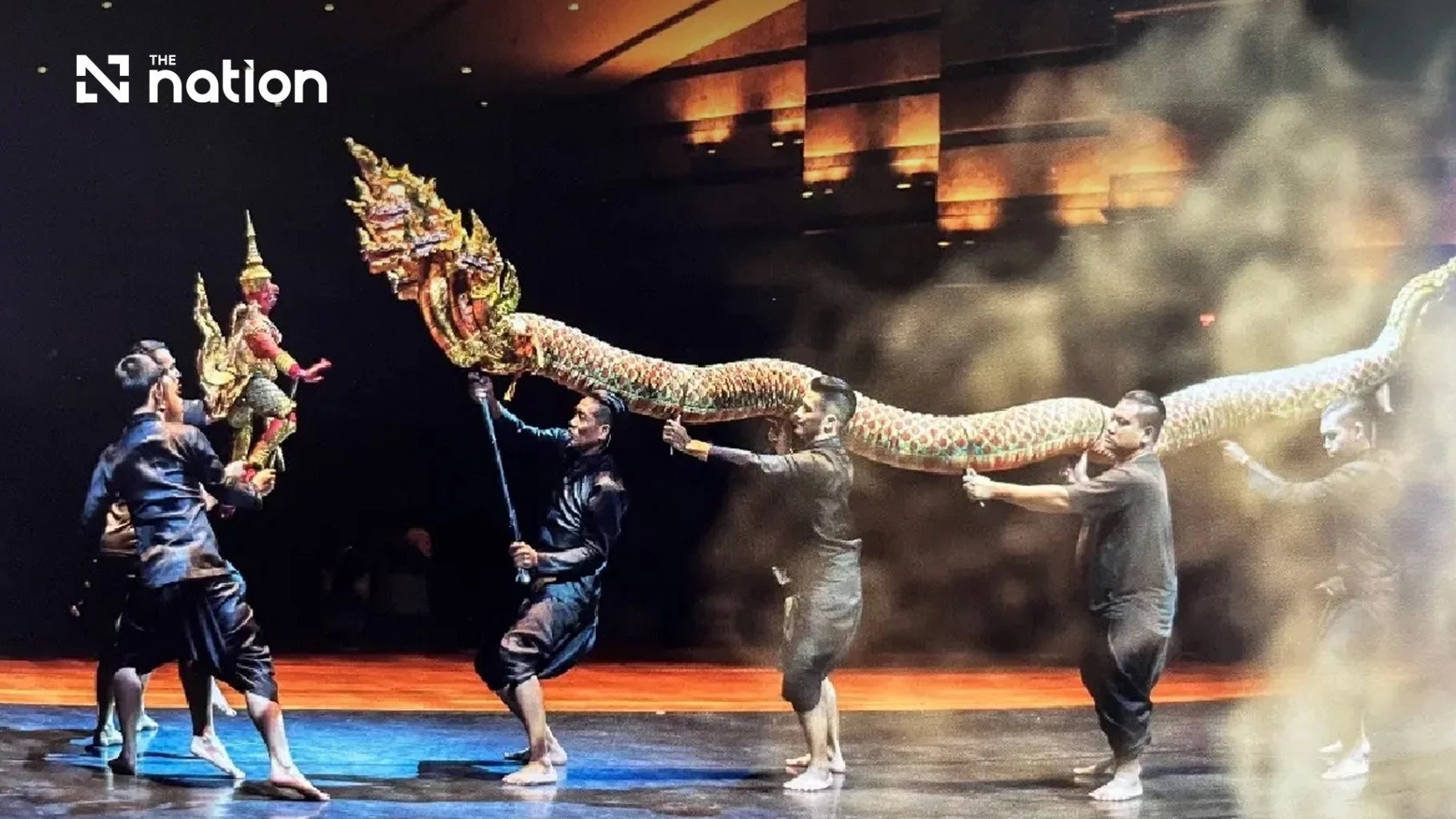
Pisutr’s contribution to the book draws on more than 20 years of experience behind productions lasting 30 minutes or an hour. For Krutthanuphap, or The Power of Garuda, the creative team spent more than two months deciding which perspective the story should take before moving on to scenery and special effects.
Pisutr said the troupe’s storytelling went beyond entertainment to explore keeping one’s word, gratitude and care for parents and teachers. Each one-hour production was divided into scenes, with music shaping the audience’s emotional response.

Pisutr’s younger sister, Sompit Yangkeawsod, designs costume patterns and colour combinations, balancing warm, hot, cool and muted traditional Thai tones to keep the stage visually coherent. His younger brother, Surin Yangkeawsod, directs performances and brings in teachers and specialists to develop dance movements and arrange the characters’ movement across the stage.
“Before I die, I must complete this record of the history and the knowledge of producing these performances,” Pisutr said. “It must become an intellectual inheritance for universities, colleges and younger generations to study and carry forward.”
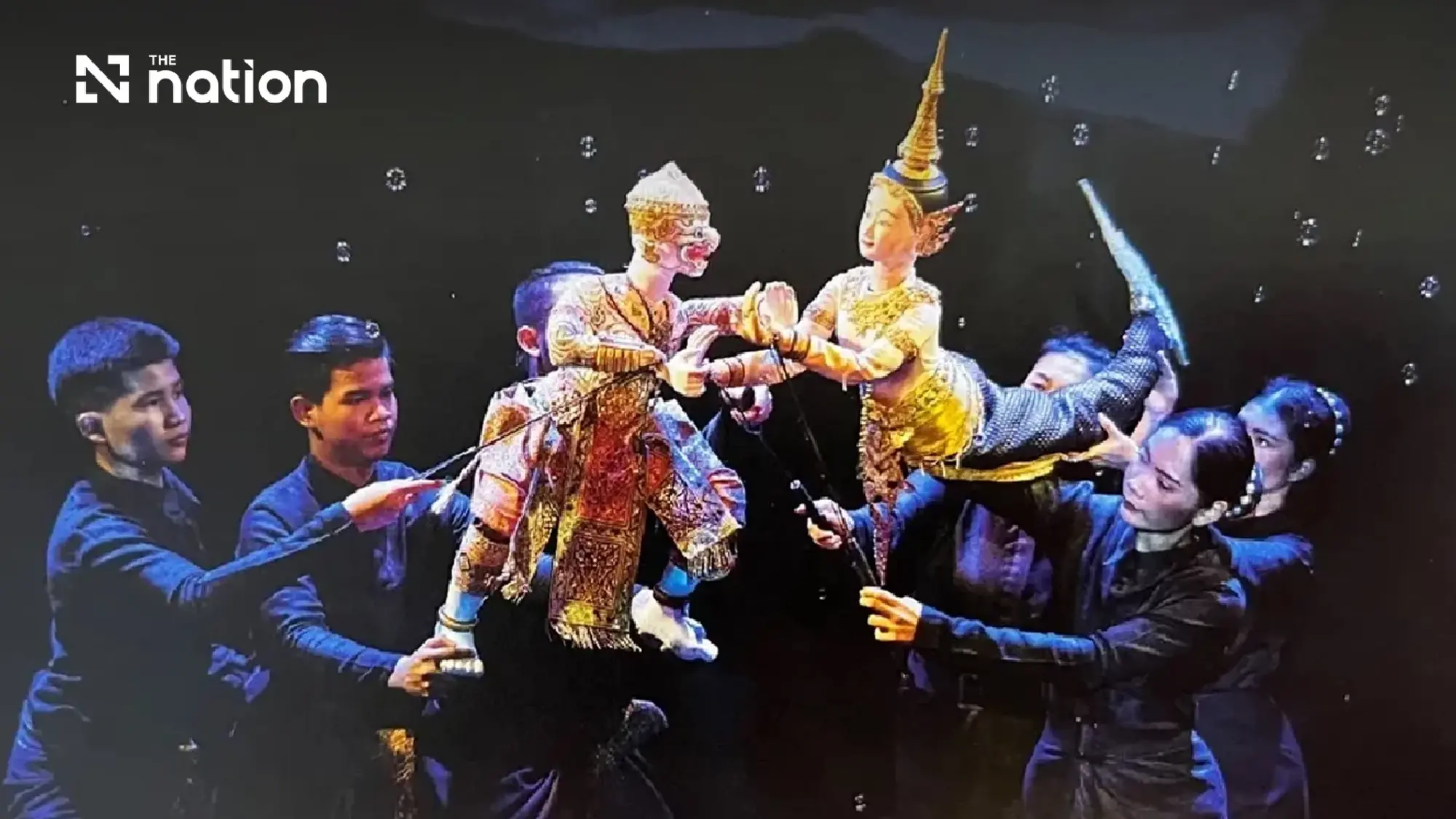

Three puppeteers bring each hun lakhon lek puppet to life
A single contemporary hun lakhon lek puppet needs three performers working together, with control of its feet forming a foundation for its movement. Surin Yangkeawsod, the theatre’s deputy managing director and chairman of a youth club dedicated to preserving the art, describes their co-ordination as “three hearts becoming one”. P
Surin said the technique joined practical skill, artistry and feeling, transmitting the performers’ emotions and breath through their fingertips into the puppet’s eyes and movements. Surin quoted a teaching passed down by the masters: “The hands guide the movements; the heart conveys the feeling. Whatever people do, the puppets do too.”
Surin said the tradition had also benefited from the support of Her Royal Highness Princess Galyani Vadhana, Princess of Naradhiwas, who once asked the troupe: “How can hun lakhon lek remain number one?”
“My father’s teaching made us realise that being number one does not mean going out to compete with others and defeat them,” Surin said. “It means communicating the heart of the art as well as we can and passing it continuously to the next generation.”

Surin recalled that the troupe entered its first World Puppet Festival hoping only to introduce Thai cultural heritage to international audiences, not to win prizes. Surin said the Thai performers nevertheless took top honours in every category; the troupe’s 2006 trophy from Prague was subsequently presented to Princess Galyani Vadhana.
“You must preserve this well and continue developing it,” Surin recalled the Princess telling the troupe. Returning to international competition two years later brought a different burden: fear of losing the championship and damaging Thailand’s reputation left the performers feeling they could “hardly breathe”.
Surin described how the troupe reworked its repertoire for the second competition. Grae’s era had drawn on tales including Kaew Na Ma, Phra Aphai Mani and Sudsakhon, while Sakorn concentrated on the Ramakien.
The contemporary Joe Louis repertoire moved towards mythology through The Legend of Phra Rahu, concerning a solar eclipse, and The Birth of Ganesha, which won first place at the troupe’s second World Puppet Festival competition. The troupe’s performances also include the Ramakien episode Kae Kon Matcha.
Surin said international competition had become a means of accelerating artistic development rather than collecting personal honours. The challenge was to move beyond locally familiar stories and create philosophical narratives that people from other cultures could understand without a language barrier.
Surin said seeing 125 years of puppetry documented was a source of great pride, addressing the fear that invaluable knowledge could die with individual practitioners or remain confined to one family. Surin nevertheless questioned how fully words on a page could convey the spirit and life communicated through performers’ breath on stage.
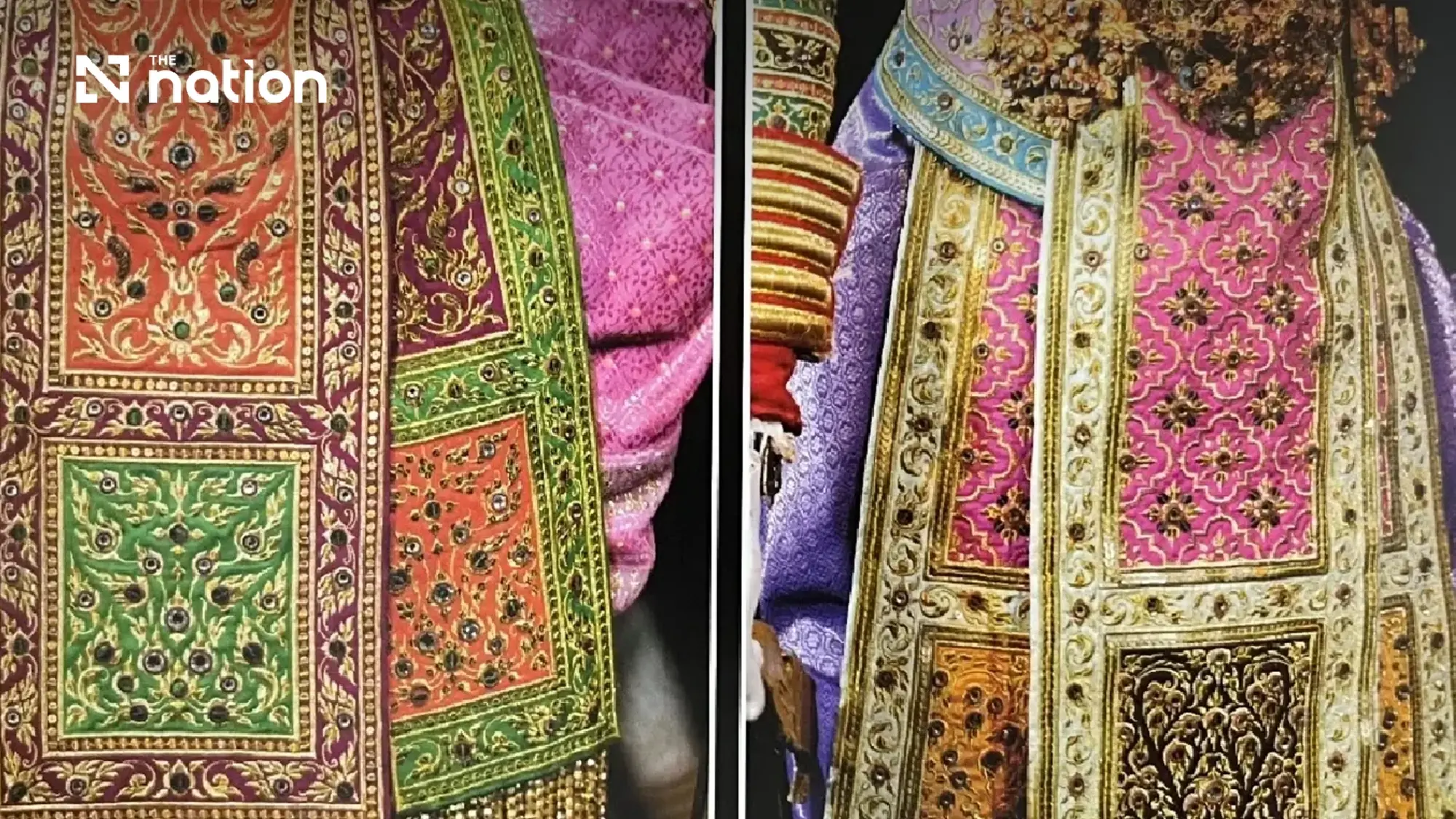

Joe Louis costume designs balance courtly detail with weight
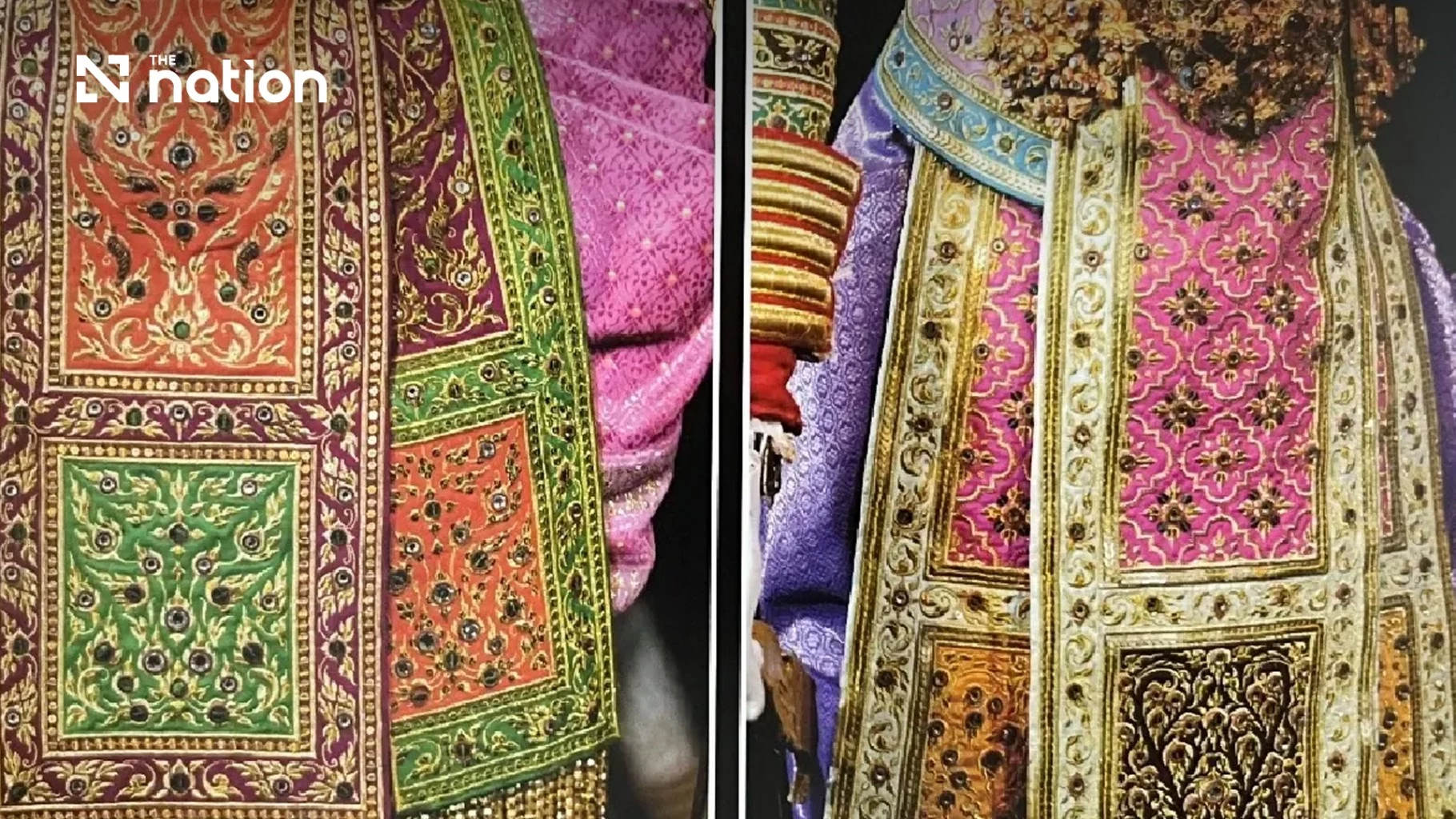
Sompit Yangkeawsod, the theatre’s art director and costume designer, developed a combination of machine and hand embroidery after elaborate royal-court-style designs proved too heavy for young puppeteers.
Sompit had originally wanted to become a painter, not a puppet costume maker. After leaving home, Sompit spent 15 years studying painting and traditional Thai designs with Weeratham Taragoonngernthai, before returning to the family and wondering whether the path ahead had been determined by fate.
When a painting career could no longer continue, Sompit turned to embroidery, learning techniques that could extend the family’s work with an elder brother’s encouragement. The ambition was to take the puppets beyond their simpler folk origins towards the refinement of historical royal-court dress.
Sompit’s early designs followed royal-court khon and dance-drama conventions, with precise proportions, faces, heads and decorative details. The costumes were entirely hand-embroidered with genuine metallic thread, gold and other metals, including brass.
“It is very beautiful, my child, but I don’t want it,” Sompit recalled Sakorn saying on seeing the court-inspired work. Sompit persisted until young performers complained backstage that the puppets were too heavy to manipulate any longer.
Sompit said puppets dressed in the elaborate royal-court style weighed 6–15kg, compared with no more than 2kg for those made by Sakorn and Grae. The design challenge became how to bring the weight down to 1.2–2kg, allowing young performers to work comfortably rather than struggle under an adult’s idea of beauty.
The Joe Louis team responded by using machine embroidery as the main technique, adding traditional court-style hand embroidery only where needed. Sompit said lighter costumes helped young performers maintain their energy and smiles throughout 20- to 30-minute shows, while the heavier, fully hand-embroidered work was reserved for privately collected puppets.
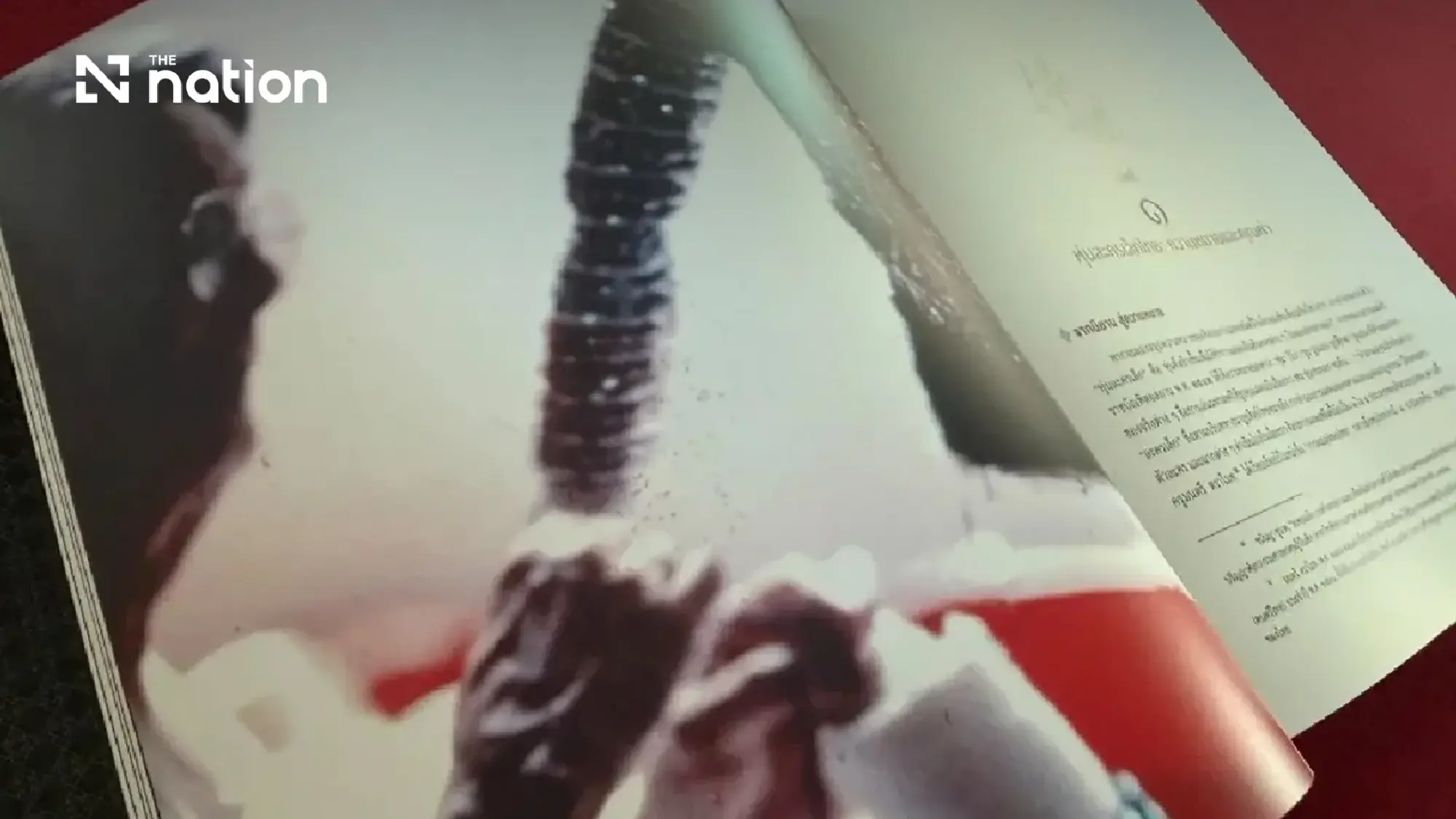

Thai puppetry book reaches libraries with e-book enhancements planned
Copies of the hun lakhon lek textbook have begun reaching school and university libraries by post, benefiting performing-arts students and readers in other disciplines. The completed e-book edition is also set to gain interactive features through enhancements planned by the Office of Contemporary Art and Culture.
Chanunya told Bangkok Biznews that the hun lakhon lek book’s initial 1,000-copy limited edition was not being sold for profit. The team wanted to gather feedback, improve the content and add an English-language version before considering another print run or commercial sales.
The hun lakhon lek book project received support from the Ministry of Culture’s Office of Contemporary Art and Culture through a fiscal 2026 programme to strengthen the performing-arts industry and raise its international profile. The funding supported the collection, preservation and public dissemination of hun lakhon lek knowledge.
Members of the public were also invited to register for books through the Joe Louis puppetry Facebook fan page on September 4–5, 2026. The first recipients were announced on September 20, with almost 100 people selected from more than 200 registrants.
The Office of Contemporary Art and Culture is responsible for publishing the completed hun lakhon lek e-book and plans to add interactive elements. Proposed features include an animated puppet that dances when a reader moves a mouse pointer over an illustration.
Readers interested in the hun lakhon lek e-book can follow the Office of Contemporary Art and Culture’s Facebook page for announcements about the QR code for access.
Source: Bangkokbiznews