
Having a cuppa with the boss
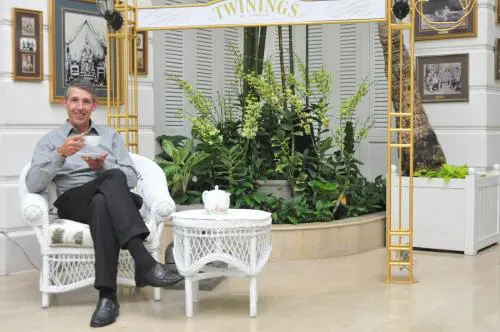


The head of Twinings tea pours for aficionados at the Mandarin Oriental
Twinings tea has a history that reaches back 300 years, and it’s a global business success, yet it’s still expanding in Asia with premium tipples and classic tastes.
On a recent tour of the region, Stephen Twining of the family’s 10th generation laid out an impressive array of the teas old and new in Bangkok and shared the philosophy behind his success.
He also offered some interesting snippets about British tea-drinking traditions.
Originality in the taste – ensured by a high-standard production process – has always been crucial for the firm, Twining told Thai fans at the Oriental Hotel as he set out some sterling examples.
He showed the revived blend from 1706, the year Twinings was founded, and the popular Earl Grey, named after the British prime minister of the 1830s, and even the Royal Wedding Blend made for the wedding of Prince William and Kate Middleton in April.
Stephen Twining, 48, is a tea scholar, head of the family business and the company’s brand ambassador, but he insists he loves tea not by professional obligation but by personal choice.
“I often think I’m the luckiest man in the tea business because I make a living doing what I love – and enjoying Twinings tea’s success,” he said.
He was quick to correct a misperception about his famous habit of drinking at least nine cups of various kinds of tea every day. “The number often reaches 15!”
Some in the crowd would have liked to hear more about Twinings’ business expansion and strategy, but Stephen opted to talk instead about tea traditions and the various types of teas – there are currently 250 different Twinings blends, after all.
He explained the four general types of tea. White tea is made with only the top leaves, which are the youngest and thus make the freshest brew. The leaves of black tea are fully oxidised for the strongest taste possible.
Green tea leaves forego oxidation altogether to maintain their delicate colour and keep the flavour light and fresh flavour. And Oolong tea combines the production processes of both black and green tea.
If you think of black tea as red wine and green tea as white, then Oolong is the ros
