
Control is in the air
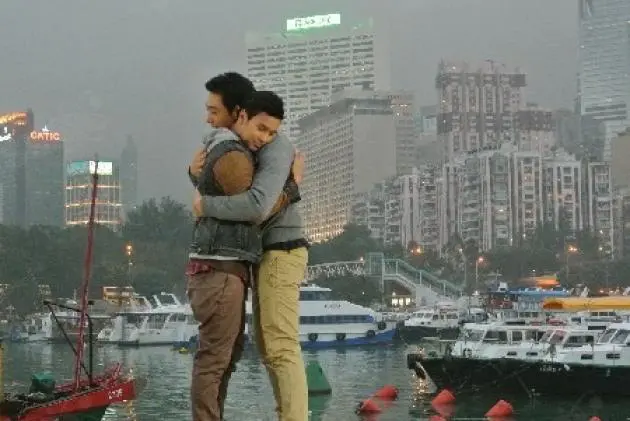


Gay relationships are simply unacceptable in Hong Kong's traditional Chinese society, a fact reflected in the hit Channel 3 drama series "Qi Pao"
The show and the novel on which it’s based demonstrate, however, how attempts to control such unacceptable relationships only lead to family tragedy.
“Qi Pao” focuses on the esteemed Jao family, owners of a major pharmaceutical business. The clan’s senior members protect their reputation above all else, with the patriarch strictly directing everyone’s lives to ensure they stick to his plan.
Every character in “Qi Pao” is searching for freedom. Eldest son Ming Xan has a closet gay relationship with Wei and wishes they could live together, but they know it’s impossible because his family must safeguard its social status – and that only extends to heterosexual coupling. The ensuing conflict brings death to some family members.
Mirroring the patriarch’s efforts to control his clan in the real world are attempts to control being voiced in cyberspace. The TV series’ fans meet on Facebook and in other sites’ chat rooms, and the discussion shows that many viewers dislike female character Paeka’s meddling, often saying it’s unladylike.
I’m not surprised that Thai viewers are displeased with such behaviour. We’re taught to be polite, or at least tactful in our interfering. But to try and dictate what women should and shouldn’t do manifests the archaic concept that women can and should be controlled. We’re going to have laws ensuring equality between the sexes, and yet here we have some people still mired in idealised femininity.
Attempts to control society are evident everywhere, so we have to self-censor if we want to live happily and have no one insulting us. Gay people think we’re acceptable in Thai society, but we have to control ourselves to be accepted. I don’t think society accepts gay people for who we really are. As long as we follow its rules, we are “allowed to be seen”. Thus society still controls our sex.
We are like characters in “Qi Pao”, seeking freedom to be ourselves. If we surrendered fully to society’s control, could we be sure we could be ourselves?
