
The metal that makes fools of us all


Play
Worthless outside the imagination of mankind, gold has inspired a lust that's felled empires and fuelled global finance
GOLD. That shiny, soft, alluring metal. Over the last 6,000 years of history, it has been responsible for slavery, war, peace, extinction and mayhem. It has been a symbol of kingship and a sacred emblem for the gods. It has brought down entire economies and become an essential financial commodity.
No other metal is as universally venerated as gold. Matthew Hart details the story of humanity’s lust for it, giving the amateur economist, the armchair historian and Joe Everyman a highly informative, vividly descriptive and easy-to-understand look behind the shine of the world’s most precious metal.
The book begins with a dramatic peek at the activities, both legal and illegal, that surround the mining of gold in South Africa.
We learn of vast mining enterprises that have to fight the ever-growing tides of pirate miners who form their own teams to hijack tunnels deep beneath the surface.
Hart tells us about the virtual townships that form underground, where an entire support system for these illegal miners is put in place with bars, food and brothels easily available, and all eager to share in the ill-gotten gains.
Hart then provides a quick history of gold and its meteoric rise from a sacred metal used for worship to the de facto standard for currency across the world.
He touches on the European expeditions to search for gold in South America, including the fateful meeting between the Incas and Spanish conquistador Francisco Pizarro, who kidnapped and murdered Inca ruler Atahualpa, plunging the Inca empire into war and ruin and stealing their gold.
The ransom paid for Atahualpa alone was more than the entire yearly gold harvest of Europe combined.
Hart writes how the sudden flood of the metal into Europe led to the basis of a central banking system, where promissory notes could be sold in exchange for physical gold bullion.
He then goes on to explain the relationship between physical gold in vaults, exchange rates and the adoption of the system of modern commerce, both private and personal. This eventually became what is known as the gold standard.
Hart also takes us on a trip through the excitement and the heady days of the American gold rush, detailing the horrors and the triumphs of that time.
Eventually, a decision was made in the highest echelons of power in the United States: the gold standard must go. Hart illustrates the resulting global turmoil in cool, measured prose, reporting the events leading up to the abandonment of the standard by the rest of the world.
The gold standard has been dead for some 40 years now. But the yellow stuff itself still holds sway over the financial imaginations of most of us. It is what people want to invest in, without knowing exactly why or how. Halfway through the book, Hart switches tack to explain the mysteries and the secrecy behind gold and its keepers. From America’s presidential retreat Camp David to the hallowed halls of the London Bullion Market Association, we are given an insider’s guide to the mechanics of the gold market and how and why it fluctuates.
Hart ends the book with a sobering view of the life of the people who live and work on the periphery of gold discovery. Retrieving gold, as it turns out, is a hard, harsh life for the people at the bottom of the ladder.
In Africa, many deposits are mined using slave labour, forcibly recruited from whichever people happened to be handy when the latest militia rolled in. Even when the mining is legitimate, the miners are marginalised and most are kept living on the edge of poverty.
“Gold” is an extremely interesting read thanks to Hart’s talent for illustrating even abstract economics in a way that never becomes boring or confusing. For someone who doesn’t always enjoy non-fiction, I found this book so fascinating that it was difficult to put down.
For those looking to broaden their knowledge, combining lessons in economics, history and humanities, this book is highly recommended.
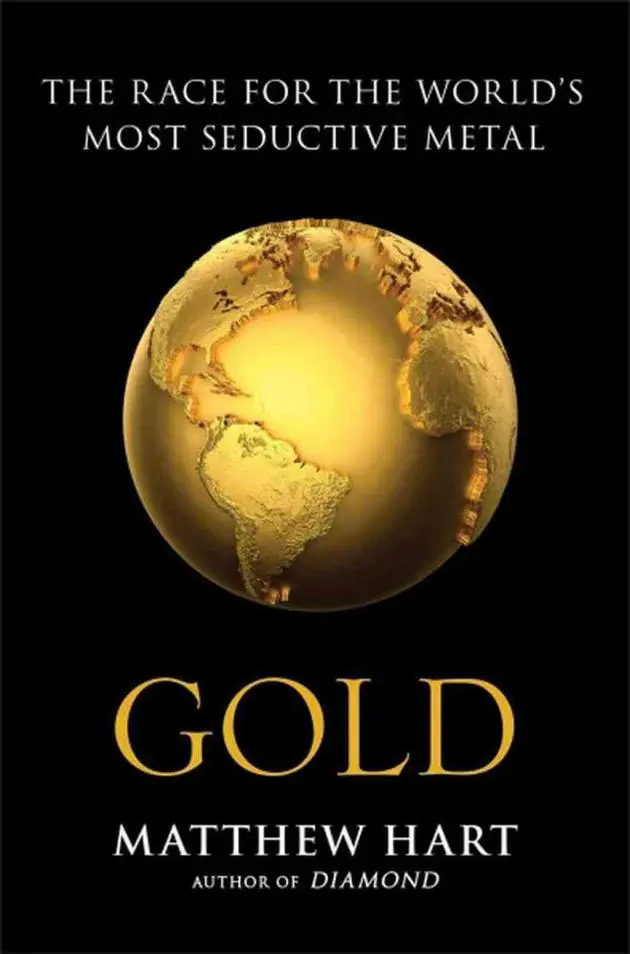
Gold: The Race for the World’s Most Seductive Metal
By Matthew Hart
Published by Simon & Schuster
Available at major bookshops, Bt804
Reviewed by Joel Wijesuria
