
Get a mouthful of Miharu


Play
The restaurant's name means "fantastic spring", a hint of the freshness in its wonderful seafood
PIYATHIDA VINICHBUTR is an heir to the Rojana Industrial Park, but for now she’d rather be indulging her passion for Japanese cuisine. She’s transformed two adjoining former shophouses on Saladaeng Soi 1 in downtown Bangkok into a warm and cosy restaurant called Miharu. It means “fantastic spring”.
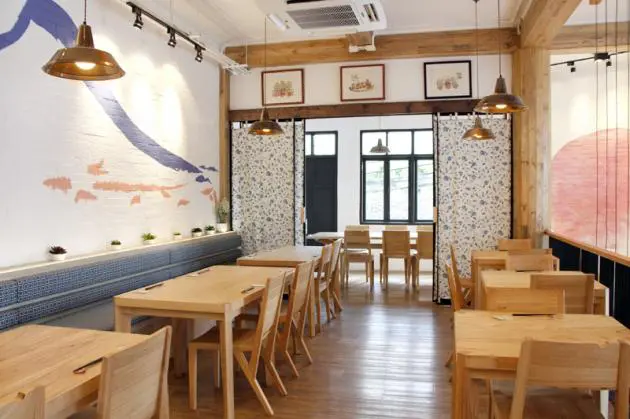
It’s hard to imagine from the refurbished interior that this was once a pharmacy neighbouring a rice-and-curry shop. Their ancient dullness is long gone, replaced by or covered with smart finishing, with wood predominant. Painted saruka petals adorn the white walls and fish mobiles hang from the ceiling.
Chefs man a sushi bar that seats six people, a tantalising array of seafood parading past that just got off the plane from Japan. You can sample ultra-fresh cuts of fin tuna, otoro (fatty tuna belly), chutoro (less fatty flesh from the tuna’s tail) and akami (the lean meat from the sides).
There’s also a wide selection of nigirizushi, from wagyu, foie gras, hotate (scallops), anago (seawater eel) to nama uni (sea urchin roe), ankimo (monkfish liver) and akagai (ark shell).
Miharu can accommodate about 80 guests in all. A more spacious dining area is on the second floor and there’s a 10-seat private room.
On the menu are the customary sushi, sashimi and donburi (a rice bowl dish), all vigorous with fresh ingredients, as well as creative fusion offerings like the salmon-and-hotate roll topped with chilli mayonnaise and soba wrapped in seasoned tofu skin.
“I love Japanese food and so do many Thais,” says Piyathida. “There’s immense competition among the Japanese restaurants here in Thailand, but we’ve found room in the market thanks to a good location, the chef’s expertise and a mix of traditional and fusion dishes to meet anyone’s preferences.”
Piyathida graduated from university with a degree in finance and went to work at Citibank, but she was hungry for success as a restaurateur and managed to lure a Japanese chef away from her favourite place at the Emporium. Getting Miharu up and running took only six months.
“We have a selection of light dishes to suit Japanese diners, who tend to go for appetisers while sipping beer, sake or shochu,” she says. “The most popular are hiyayakko (chilled tofu), dashimaki tamago (rolled pan-fried eggs) and nankotsu age (deep-fried chicken cartilage). Thais generally love the sushi rolls topped with mayonnaise and any big dishes they can share.”
A good start is the Shirauo Salad (Bt390), a great heap of assorted organic greens topped with deep-fried whitebait fish and crab roe. There are varying but well-balanced textures to it, from the crispiness of the fish and the crunchiness of the greens to the sweet-and-tangy chilli mayonnaise.
Perfect to share before the main dish is Ebi Rasku (Bt200). These canapes are filled with minced shrimp, mushrooms, carrot and asparagus and deep-fried.
Next up is a “New York-style” Salmon and Hotate Roll (Bt380). You get four bites of maki sushi topped with grilled hotate, salmon, salmon roe and kizami (cooked wasabi), all dressed with more of that chilli mayonnaise. Each bite is served on a spoon for the sake of convenience – you take it in one go.
There are six sets of classic nigirizushi (hand-pressed sushi) – designated A to F with the price shifting to match, from Bt300 to Bt1,350. I ordered Set C (Bt850) and got five pieces: grilled salmon, toro topped with uni (sea urchin) and also with salmon roe, kampachi fish and ponzu jelly, and scallop capped with avocado and crab roe.
Another tempting light dish is Gindara Mentai Yaki (Bt490), a fillet of grilled cod nestled in egg-white foam and cod roe. It retains the naturally sweet taste of the fish.
For something heavier, Salmon Maguro Kizami Wasabi Don (Bt380) is diced maguro and salmon, avocado, salmon roe and chopped wasabi served in a bowl over rice.
Meat lovers will love the Samurai Beef (Bt650). It’s thin slices of wagyu beef and assorted mushrooms pan-fried with a sweet-and-sour sauce and a roasted-chilli paste that’s not as hot as Thailand’s version.
If you’re dining alone, avoid the Soba Inari (Bt220). The price might appeal, but it’s surely made for four people. It’s four tofu pouches seasoned with sweet brown sauce and filled with soba and shredded, sweet eggs. On top are tempura flakes, chopped spring onions and pickled ginger.
Miharu also serves a shabu hot pot in a cast-iron pot on a portable stove. I tried Toro Shabu (Bt1,500) – a platter of thinly sliced toro with eringi, shiitake and enoki mushrooms and cabbage, carrot, Chinese spinach and kaiware sprouts. The broth made from katsuobushi (dried bonito) and kombu (kelp) is clear and mild and goes best with the thin slices of toro.
End your meal with Anmitsu – a traditional Japanese dessert of sweet red-bean paste with fruit and jelly. Matcha Tofu Anmitsu (Bt160) is served in a bowl of soy milk with green-tea jelly and seasonal fruit like strawberries, mango and cantaloupe. The home-made red-bean paste isn’t too sweet. It comes with a small pot of black syrup if you want to boost the sweetness.
THE WASABI IS WAITING
>>> Miharu is on Saladaeng Soi 1 next to the U Chu Liang Building.
>>> It’s open daily from 11.30 to 2.30 and 5.30 to 10.30.
>>> Call (02) 633 8388 or Facebook.com/MiharuJapaneseEatery.
