
Blaming the illness and not the pet


Play
Fully recovered from a nasty infection, wild child Manohra's behaviour takes a turn for the better
YEARS AGO, the son of a friend of mine told me the story of a puppy he adopted from the street, after his girlfriend found it in a nearby empty lot.
The dog, who appeared to be part pitbull, was extremely gentle from the beginning and quickly won the young man’s heart. “Mimi”, as he named her, promptly became his best friend (after his girlfriend, of course).
Then, about a week and a half after Mimi joined his home, the poor dog began vomiting all over his house.
The owner spoke harshly to her, but the messes continued.
“And then,” he told me, “I beat her. I thought she just refused to learn.”
Luckily, after a day or so, he took Mimi to the vet for vaccinations, and that’s when he found out that she had canine parvovirus, a terrible contagious disease that causes vomiting and diarrhoea in dogs.
Most dogs infected with this virus die, especially puppies, but with treatment, Mimi, after weeks in the clinic, survived. By the way, even if your dog, like Mimi, survives parvo, it still needs vaccinations. Having had parvo once doesn’t give the dog immunity.
“What happened when you took Mimi home from the clinic?” I asked the owner. I thought he would tell me how difficult it was to care for an animal recovering from a deadly disease, but he didn’t.
Instead, he began weeping. “When she came home,” he sobbed, “she was so happy to see me. Even though I had beaten her, she forgave me.”
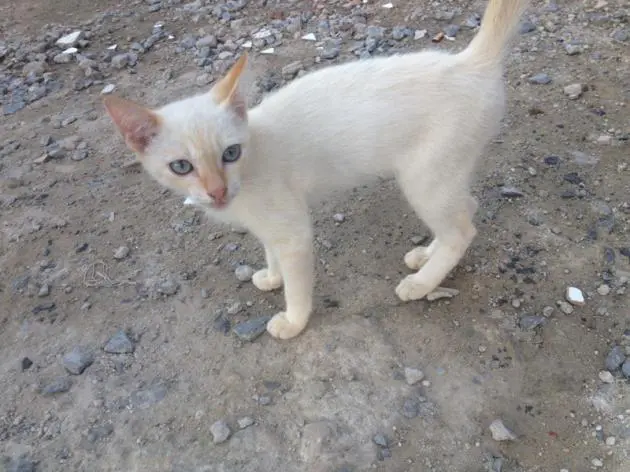
I’ve never beaten an animal, but I know how he felt. Manohra, the cat I affectionately call my Wild Child, began urinating all over the place, on my clothes, in my handbag, and on any flat surface she could find, especially where it was difficult for me to reach, such as on top of the refrigerator.
She was also growing increasingly aggressive. No longer would she let me pet her. Instead, she would bite and scratch me.
Since she was eating well and was as energetic as usual, and her blood tests didn’t indicate any health problems, it never occurred to me that she was sick. A hormone shot slowed down the aggressiveness a bit, but the urination continued.
When I jokingly told my vet that I was considering having her teeth and claws removed, she suggested an alternative.
With chronic illnesses, she said, sometimes blood tests don’t tell you everything, but a urine test might. The vet took her urine and sent it to a lab for analysis. The diagnosis came back that, yes, Manohra indeed had an infection.
After 20 days of antibiotic treatment and a restful stay at the clinic, Manohra returned.
The entire household watched her carefully. She ate happily, continued to threaten the boys, but the inappropriate urination gradually stopped.
Today, she still dislikes brat-cat Yoyo, but it’s mainly a matter of claiming territory. She owns the top floor of my house. At night, she owns my bed. Even her best friends aren’t welcome unless they tell her, in cat language, that she’s queen of whatever she wants.
Slowly, though, she’s beginning to understand that I actually own the bed. Slowly, she’s learned that when I pick her up, I want to scratch her ears. Even more slowly, she’s learned to accept the other cats who spend part of the night on my bed.
The more she learns, the more she relaxes around the other animals.
All these changes have occurred since she was cured of her infection. I just wish I had realised sooner how ill she was.
Slowly, I’m learning too. Lack of basic training may cause inappropriate behaviour – but illness may cause it too.
