
A cry for freedom


Play
Chinese artist Ai Weiwei and American singer Joan Baez are honoured with Amnesty's top rights award
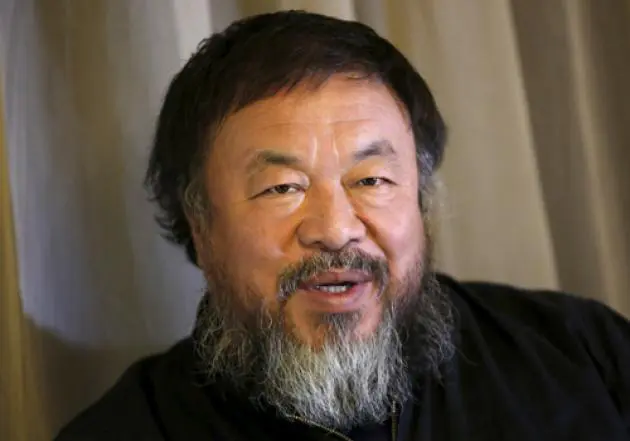
Amnesty International has given its top 2015 human rights award to both Chinese dissident artist Ai Weiwei, a fierce critic of Beijing who has been banned from leaving China after an 81-day detention in 2011, and US folk singer Joan Baez.
The Ambassador of Conscience Award recognises “those who have shown exceptional leadership in the fight for human rights, through their life and work”, Amnesty said in a statement on Tuesday.
Previous winners include Pakistani teenager Malala Yousafzai, South African former leader Nelson Mandela and Myanmar’s opposition leader Aung San Suu Kyi.
“Through his work Ai Weiwei reminds us that the right of every individual to express themselves must be protected, not just for the sake of society, but also for art and humanity,” said Salil Shetty, Amnesty’s Secretary General, in the statement.
Shetty praised Baez for her “unwavering commitment to peaceful protest and human rights for all”.
Amnesty highlighted Baez’s role in the US civil rights movement, campaigning against the death penalty, pacifism, and support for gay and lesbian rights.
The veteran musician said she had helped Amnesty “because of its founding principle that all human rights abuses and the suffering they create are unacceptable.”
“The process of eliminating those abuses, even one step at a time, has created a compassionate, non-partisan, powerfully effective movement,” Baez said.
“I’m lucky to be part of it and proud to be honoured with this award.”
The joint award will be presented at a ceremony in Berlin on May 21, the statement said.
But it is almost certain that Ai, 57, will not be able to collect it as he remains under close surveillance and is unable to leave China.
Ai said it was difficult to predict the impact his award will have on China, which is “pretty disdainful of these kinds of awards”.
In an interview with Reuters, he urged other countries to continue criticising China’s social and political situation.
“My opinion is that in paying attention and being critical on human rights issues, (we are paying) attention to a basic condition of human existence, and this absolutely is not a gift the West can choose to give but it is their responsibility,” he said.
Chinese Foreign Ministry spokeswoman Hua Chunying said China has expressed its stance on Ai’s case many times. The ministry has previously said he was being investigated by law enforcement authorities.
In 2011, Ai was detained without any charge and held mainly in solitary confinement, sparking an international outcry. A court later upheld a $2.4 million fine against Ai for tax evasion.
The world-renowned artist maintains the charges were trumped up in retaliation for his criticism of the government.
In November 2013, the bearded artist started protesting his travel ban by putting flowers in the basket of a bicycle outside his Beijing studio and home. On Twitter, he said he would do it everyday until he “regains the right to travel freely”.
On Tuesday, he tweeted that it had been 480 days.
