
Gifts of life, whether short or long


Play
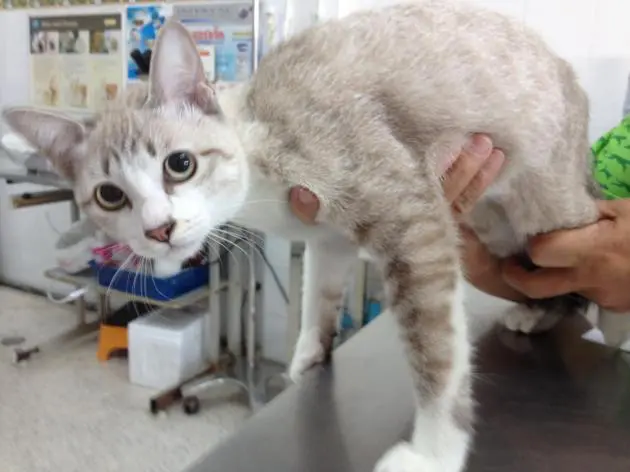
The sadness at the sudden loss of Thong is a reminder of how the accident-prone cat had woven himself into everyone's affections
AS I watch the members of my mini-zoo, I know that some are quite close to the end of their lives.
Every month, Angel, my one-eyed Siamese, moves increasingly slowly. She’s 17 years old, and with her old age, she suffers what old age brings, arthritis and kidney failure. She no longer climbs stairs, unless she has to, but she still loves her food, and the easiest way to make her happy is to give her fur a good brush.
My dog, as I have written, is also slowing down as she grows older, yet she continues to enjoy life too. Around people, she suddenly turns into a puppy, jumping around with a big smile on her face.
White lady Mekhala must be around nine now. She’s only in feline middle age, but neither I nor my vet expected her to live this long. Infected with feline Aids (Fiv), her weakened immune system leaves her vulnerable to infections. Although we do our best to help her with her health problems, there have been times when we thought she couldn’t survive.
Yet here Mekhala is, as proud and fun-loving as she’s always been, a real fighter with a sense of humour.
Of course, watching your pets face disease and ageing is depressing, but, it seems to me, the opportunity to watch them handle all the processes of life is a gift, especially when you consider what happened to poor Thong.
This cat, along with his best friend Thep, moved in from the soi to live with my household about three years ago.
Although he spent lots of time at the vet’s from all the viruses and accidents he suffered, he was basically healthy, but less than five days after he received his first set of vaccinations last week, he was dead.
My vet was as upset as I was. Why would a healthy young animal die after a vaccination?
The results of poor Thong’s post-mortem arrived a few days later, but these findings brought more mysteries than answers. All major organs in his body had failed. The pancreas showed an unusual growth on one side.
What was the cause of this massive failure?
My vet then consulted other vets with expertise in various areas. Most seem to agree that the breakdown was probably caused by the vaccinations, but they wonder if Thong may have had some underlying problem before the vaccination that wasn’t apparent from blood tests and X-rays.
One expert has even asked for additional information from the post-mortem before giving his opinion.
They’re all being as careful as they can, I think. They don’t want to blame anyone, but they do want to rule out other causes before they submit a report to the distributors of the vaccines.
I don’t want to blame anyone either. The more we learn about what happened to Thong, the more we will learn about treating any other cat or dog suffering the same reaction to vaccinations.
At home, Thong’s best friend Thep continues to search for him. As soon as he enters the house each day, he calls for his friend, and when Thong doesn’t appear, he carefully sprays all the places where Thong’s scent lingers, just to let his friend know where he is.
I can’t call Thep silly. Every evening, I find myself on the third floor of my house, looking over the balcony, the way I used to when Thong would climb up from the second floor to come inside.
Even in his short life, Thong was as much a gift as any of my elderly survivors, a cat whose loyalty to his friend could equal any human friendship, I think, and whose antics still make me smile when I remember them.
