
Help your baby breathe easily


Play
It is possible that most of us have, at some point, suffered from respiratory syncytial virus (RSV).
With symptoms identical to the common cold, it is likely that we remained ignorant of the fact that we had contracted RSV, especially if the virus did not spread to our lower respiratory tract. In fact, among most adults, home remedies effectively deal with RSV.
However, RSV in children, especially in kids less than a year old, can prove to be much more serious. If not detected and treated in time, this seemingly innocuous virus can lead to serious complications in your child and result in a lifetime of breathing problems.
Infants with their fragile immune systems are particularly susceptible to RSV and the first infection could result in severe symptoms. Subsequent infections are likely to be milder due to the impact of antibodies in their bodies. Children with underlying heart and lung problems might suffer breathing problems if they contract RSV and might require hospitalisation and even a ventilator to reduce distress. About 20 – 40 per cent of Thai children suffer from lower respiratory tract infection caused by RSV. In high-risk cases like babies with heart and lung problems and pre-term infants or very small infants, RSV infection can be fatal.
The outcome is greatly improved if the child is treated early and before the virus develops into bronchiolitis (infection of small airways) or pneumonia.
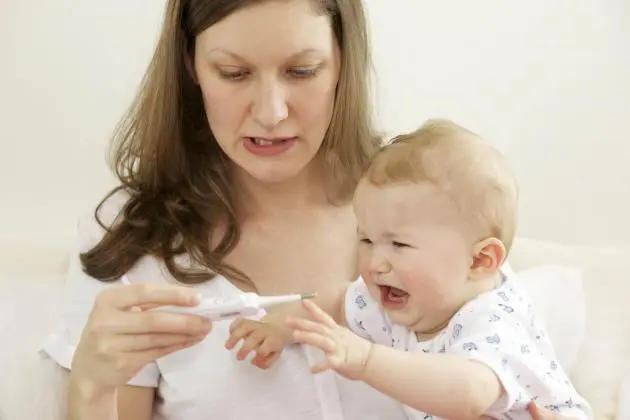
It is thought that there is some association between RSV bronchiolitis early in life and subsequent asthma. Symptoms of RSV include severe, chesty cough; difficulty in breathing; lips/face turning blue when coughing; and high fever. If your child is coughing and this is disturbing its sleep, consult a doctor. If your baby has a high fever, is unable to eat or play, and breathes with a wheeze, consult a doctor immediately.
If you suspect RSV, it is best to get your little one to a hospital immediately. There, a nasal swab will be taken and within 20-30 minutes, you will know if your child has RSV. Sometimes, it might be necessary to conduct an X-ray to determine if the child has pneumonia. Tests might also have to be conducted to determine the level of oxygen in the bloodstream so that treatment can be adjusted accordingly.
There are no specific medicines for RSV; instead, the symptoms are treated. Once RSV is diagnosed, treatment involves hydration and oxygenation. Feeding your baby warm liquids helps since it clears congestion and helps keep the baby hydrated, which is critical in the treatment of RSV.
A prophylaxis has been introduced in the West that is used in the prevention of pre-term infants or babies with congenital heart disease or weak lungs. The prophylaxis generates antibodies that help improve the infant’s resistance or immunity. Unfortunately, this prevention is not yet available in Thailand.
A strict hygiene routine is the only way to keep infection at bay. Older siblings who go to school or day care can bring the virus back home and infect the infant. The virus can survive for hours on toys or other objects. If you touch such an object and then touch your baby, you could end up transferring the virus.
So, hand hygiene is particularly important in the prevention of RSV, and it is helpful to encourage this among older children to ensure that they don’t inadvertently infect younger siblings. This cleanliness can extend to the child’s general environment as well. It makes immense sense to reduce your child’s exposure to people suffering from fever or colds.
Seasons are also important in the spread of the virus. In the northern hemisphere, spring to winter is peak RSV season, but in Thailand, June to October, or the monsoon, is when RSV spreads rapidly. It helps, therefore, to exercise greater caution during this time. Since the first year of a child’s life is when RSV might be particularly dangerous, breastfeeding exclusively for the first six months helps build the infant’s immunity, thus lowering the risks of RSV.
And remember smoking should always be avoided around children. If you can prevent your child’s exposure to air pollution, it can’t harm the baby’s respiratory system.
DR PASSORN PUNYAHOTRA is a specialist in Paediatric Infectious Disease at Samitivej International Children’s Hospital, Sukhumvit Campus. Call (02) 711 8236-7.
