
Health Matters


Play
Cirrhosis: the complications
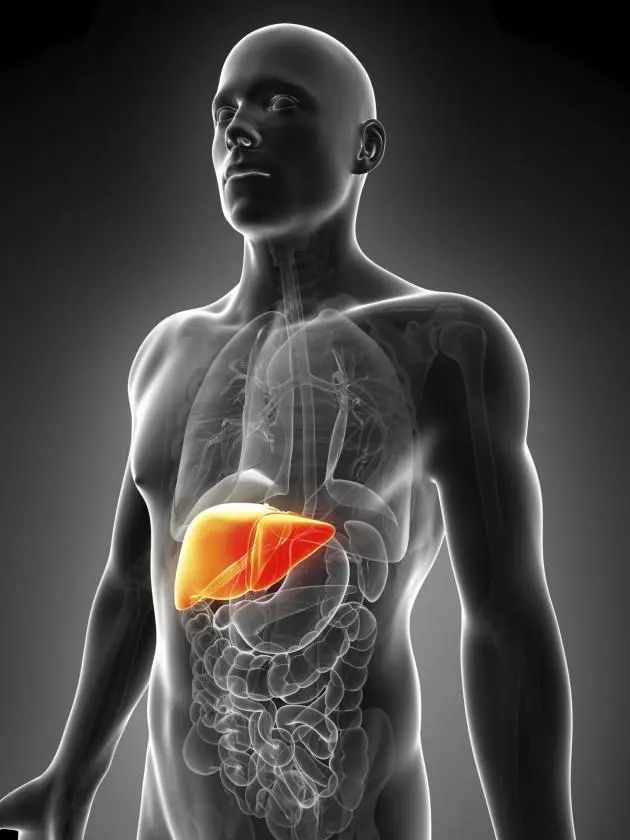
The body’s largest gland, the liver is a vital organ that has many functions, among them the production of bile, the conversion of ammonia to urea, detoxification, and removal of bacteria caused by contamination of the digestive system.
Yet all too many of us seem hell-bent on abusing our livers, whether through imbibing too much alcohol or simply failing to take adequate care of our all-round health.
One of the most serious consequences of that neglect is cirrhosis, a slowly progressing disease in which healthy liver tissue is replaced with scar tissue, eventually preventing it from functioning properly and causing high blood pressure in the liver commonly known as Portal hypertension.
Common complications of cirrhosis include the following.
Oesophageal varices
A consequence of portal hypertension, these are abnormal, enlarged veins in the lower part of the oesophagus – the tube that connects the throat and stomach. Patients with oesophageal varices have a tendency to develop bleeding from ruptured veins, which causes them to vomit blood.
Ascites
Ascites is an excess accumulation of fluid in the abdomen. It is caused by an increased blood pressure of the veins in the liver that leads to the leakage of fluid from the liver. Patients with cirrhosis also tend to have low levels of albumin, a type of protein that helps carry fluid in the blood vessels. Patients will therefore suffer from swelling of the abdomen and legs as well as a bulging belly button. This can be treated by the consumption of diuretics. Infection is a serious complication of ascites. Patients may develop an infection in the abdomen, which may lead to a fever, stomachache and diarrhoea. Diagnosis is made by performing a paracentesis (abdominal tapping) and analysing the fluid for the number of white blood cells or evidence of bacterial growth.
Hepatorenal syndrome
This rare, but serious complication of ascites related to cirrhosis of the liver leads to progressive kidney failure. The cause of this syndrome remains unknown, but it may result from shifts in fluid, impaired blood flow to the kidney, and over use of diuretics.
Hepatic encephalopathy
Hepatic encephalopathy is the occurrence of confusion, altered level of consciousness or coma as a result of liver failure. It is caused by accumulation of toxic substances that are normally removed by the liver. As a result, such toxic substances contaminate the blood circulation, affecting the function of the brain. The patient will experience sleepiness during the day, trembling hands, confused speech or even unconsciousness. The condition can be stimulated by infection or constipation in a cirrhosis patient.
Bleeding tendency
The liver produces the type of protein that forms blood clots. Cirrhosis affects this function causing reduced production of the protein. In addition, a low platelet count caused by portal hypertension and enlarged spleen causes patients with cirrhosis to bleed easier than normal.
Hormonal imbalance
Patients with cirrhosis suffer from a weakened ability to remove some hormones, causing an increase in oestradiol (the female sex hormone). This leads to larger breasts, sexual impotency and infertility.
Treatment of underlying disease includes:
- Finding the cause and treating it to stop the damage of the liver tissue, for example, curing or eliminating hepatitis B and C virus and quitting alcohol.
- Patients with cirrhosis should have an intake of 35-40 kcal/1 kg. Of these, at least 1.2-1.5 grams/day should be of protein because the liver cannot store energy as well as it used to. It is therefore advisable for patients eat 4-6 times a day, including a meal before going to bed. Furthermore, in order to reduce swelling and the accumulation of fluid in the abdomen, patients with cirrhosis should avoid salty food.
- The doctor will order an upper endoscopy to screen for esophageal varices. If found, the doctor may medicate the patient or band the blood vessels of the oesophagus to prevent bleeding.
- Screening for liver cancer is also important. Because patients with cirrhosis are more vulnerable to liver cancer, it is important that they are screened by ultrasound every six months.
PROFESSOR TEERHA PIRATVISUTH AND DR MORAKOD DEESOMSAK are specialists in gastroenterology and hepatology attached to the Liver and Digestive Institute of Samitivej Sukhumvit Hospital. Call (02) 711 8822-4.
