
US strikes Iran as oil sanctions return over ship attacks
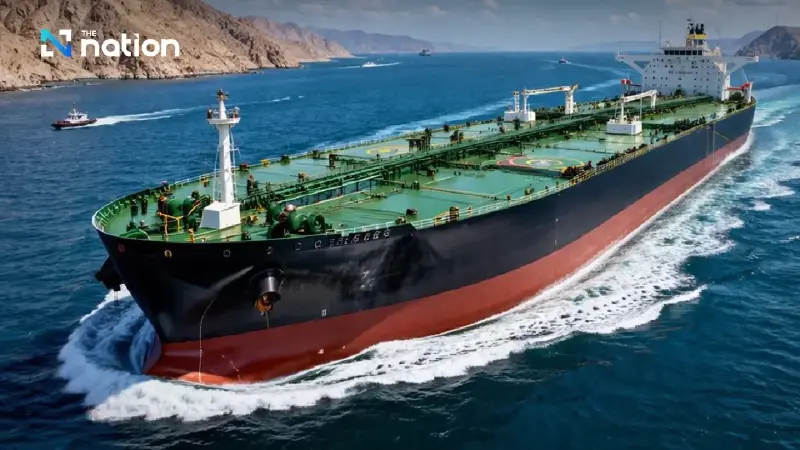


US forces launch new strikes on Iran after tanker attacks in the Strait of Hormuz, while Washington restores oil sanctions on Tehran
- The United States launched military strikes against Iran in response to attacks on three commercial tankers near the Strait of Hormuz.
- Alongside the military action, Washington reimposed oil sanctions by revoking a key waiver that had allowed Iran to sell its crude oil and petroleum products.
- The U.S. strikes targeted Iranian military assets, including air defense systems, anti-ship missiles, and drone launch sites, placing a fragile ceasefire under severe strain.
The United States launched a new round of military strikes against Iran on Tuesday after three commercial tankers were hit near the Strait of Hormuz, sharply raising pressure on a fragile ceasefire between Washington and Tehran.

US Central Command said the strikes were intended to impose costs on Iran after what Washington described as aggression and a breach of the ceasefire. A US official said the targets included Iranian air defence systems, coastal surveillance systems, surface-to-air missiles, anti-ship cruise missiles and drone launch sites.

Iranian media reported explosions early on Wednesday local time in Sirik, Qeshm Island and Bandar Abbas. No civilian deaths were reported, although Iranian state media said several people were injured by shrapnel at a commercial pier in Sirik. Reports also said fishing piers were hit and several boats caught fire in Bandar Abbas.

The US action came after Washington moved to revoke a key sanctions waiver that had allowed Iran to sell crude oil and petroleum products on international markets under an interim framework agreed last month. Oil prices rose more than 3% after the US announced the step.
Under that interim arrangement, the US Treasury had issued a general licence on June 22 allowing transactions involving Iranian crude oil, petroleum products and petrochemical products until August 21. The licence was revoked on Tuesday, with a wind-down period set to run until July 17.
Iran’s foreign ministry condemned Washington’s decision, calling it a breach of the framework intended to end the war. The ministry said Iran would take whatever measures it considered necessary to protect its interests and national security.
Qatar accused Iran of attacking vessels in the area, including the Qatari liquefied natural gas tanker Al Rekayyat, which was struck by a drone and suffered an engine-room fire. The crew were reported safe and were being evacuated. Qatar’s foreign ministry also summoned Iran’s deputy ambassador and delivered a protest note.
A Saudi-flagged crude oil tanker, believed to be the supertanker Wedyan, was also damaged off Oman, maritime security sources said. The cause of that incident was not immediately clear. A second US official said initial indications suggested Iran had fired at three commercial vessels.
Tehran rejected Qatar’s accusations as puzzling, saying it was meeting its commitments. Iran also argued that commercial vessels faced risks when using routes that had not been coordinated with Iranian authorities.
The Strait of Hormuz has become a central point of leverage in the confrontation. Analysts cited by Reuters said Iran has used pressure on shipping to show that it can disrupt a vital global energy route while negotiations continue over a long-term peace deal with the United States.

The latest escalation followed a day of mass mourning in Qom for Iran’s late Supreme Leader Ayatollah Ali Khamenei, who was killed at the start of the war along with members of his family. Hundreds of thousands of people joined the funeral procession, carrying flags and banners and calling for revenge.
Iranian state media later showed what it said was footage of an aircraft carrying Khamenei’s coffin at the airport in Najaf, Iraq, another major Shi’ite holy city. Iranian President Masoud Pezeshkian, who had travelled to Iraq for the funeral ceremonies, returned to Iran after the US strikes on the country’s south, state television reported.

The ceasefire was designed to provide a 60-day window for negotiations on a permanent settlement, but indirect talks in Qatar ended last week without visible progress. US President Donald Trump has repeatedly warned that bombing could resume if no deal is reached.
Iranian Foreign Minister Abbas Araghchi said negotiations on a final agreement would not begin while threats continued, citing the terms of the interim ceasefire memorandum.
Trump launched the war four months ago with stated aims that included destroying Iran’s nuclear and missile programmes, ending Tehran’s ability to threaten neighbouring countries and creating conditions for Iranians to remove their rulers. Washington says a permanent agreement would stop what it regards as an Iranian nuclear programme capable of producing a bomb, while Tehran insists it has never sought one.
The renewed strikes, tanker attacks and return of oil sanctions now leave the ceasefire under its most serious strain since it was agreed, with the Strait of Hormuz once again at the centre of a confrontation linking military risk, energy security and diplomatic pressure.
Source: Reuters
