
Wang Yi launches ‘LMC 2.0’ at Beijing reception
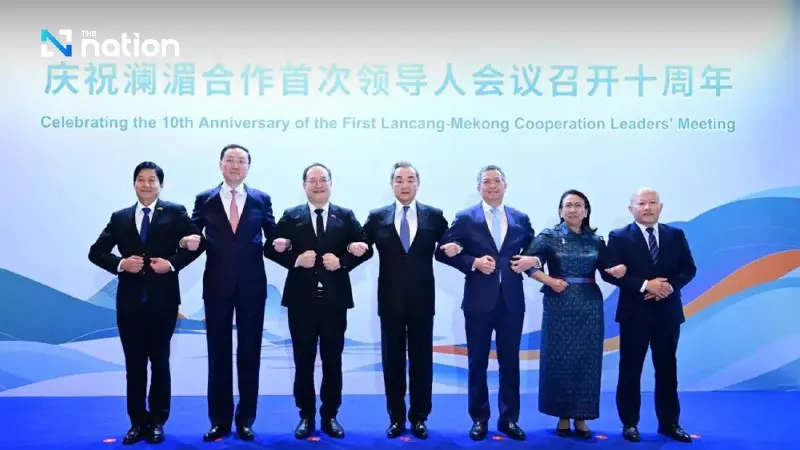


China has unveiled its “LMC 2.0” vision for the next decade of Lancang-Mekong Cooperation, with Wang Yi calling for deeper links in trade, security, innovation and green growth.
Chinese Foreign Minister Wang Yi used a reception in Beijing on Tuesday (March 23) to mark a decade of Lancang-Mekong Cooperation and to launch the idea of “LMC 2.0”, setting out a next-phase agenda focused on connectivity, green development, innovation, security and people-to-people ties.
The reception, held on the 10th anniversary of the first Lancang-Mekong Cooperation Leaders’ Meeting, brought together envoys from the five Mekong countries, officials from Asean countries and international organisations in China, as well as representatives from Chinese ministries, local governments and think tanks. China’s foreign ministry had earlier said LMC Week 2026 would centre on “jointly forging Lancang-Mekong Cooperation 2.0”, with more than 170 related events planned.
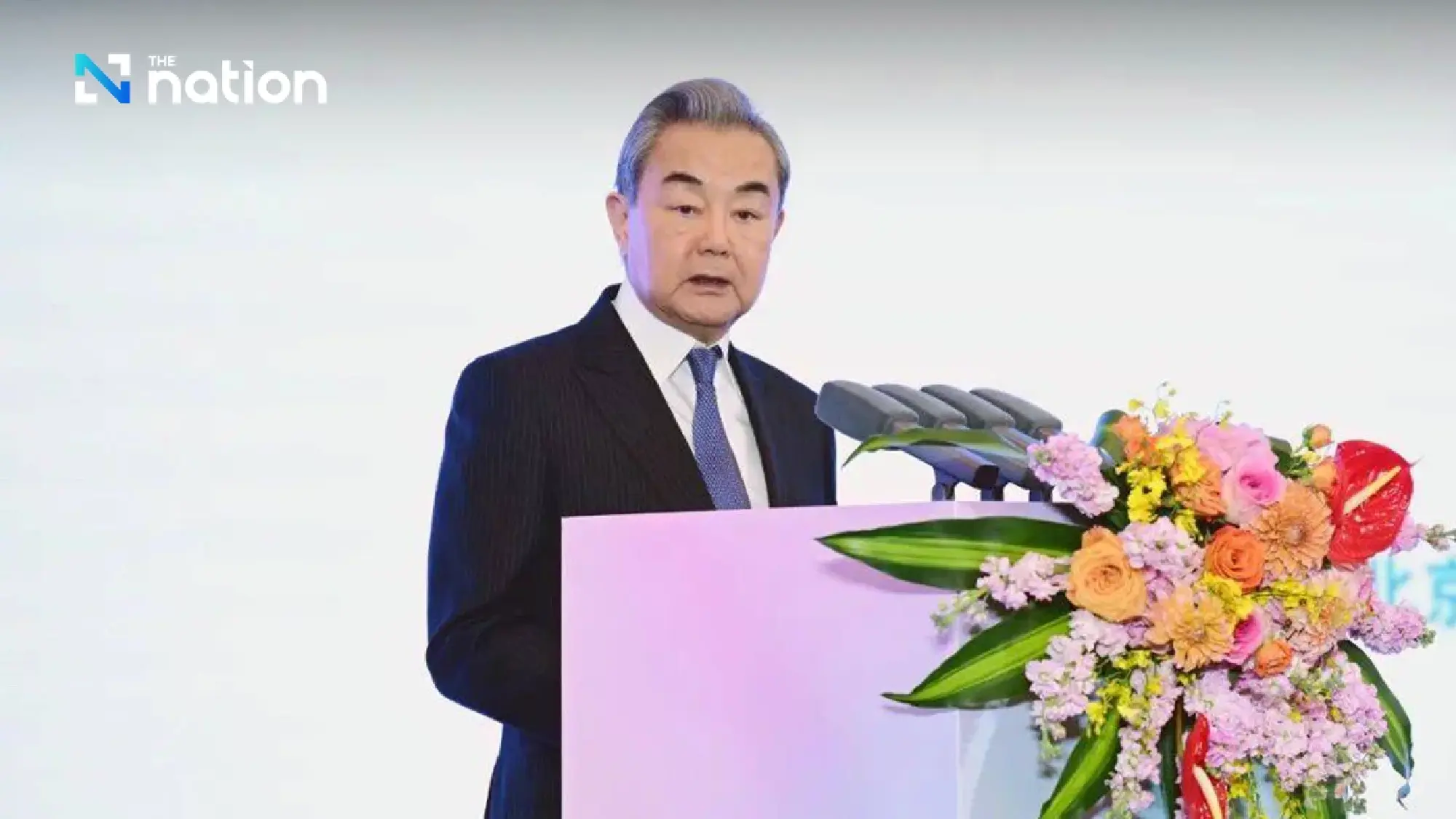

Beijing marks 10 years of Lancang-Mekong Cooperation
In his remarks, Wang said the six-country mechanism had grown significantly since its launch in 2016, describing it as a platform that had moved beyond dialogue to deliver practical results. He said trade between China and the five Mekong countries had surpassed US$500 billion, up 150% from a decade earlier.
Wang also highlighted what he described as broader gains in regional security and social cooperation, including the Safe Lancang-Mekong Operation, hydrological data sharing on the Lancang River, the Lancang-Mekong Visa and livelihood schemes such as the Bumper Harvest projects and Sweet Spring Action.
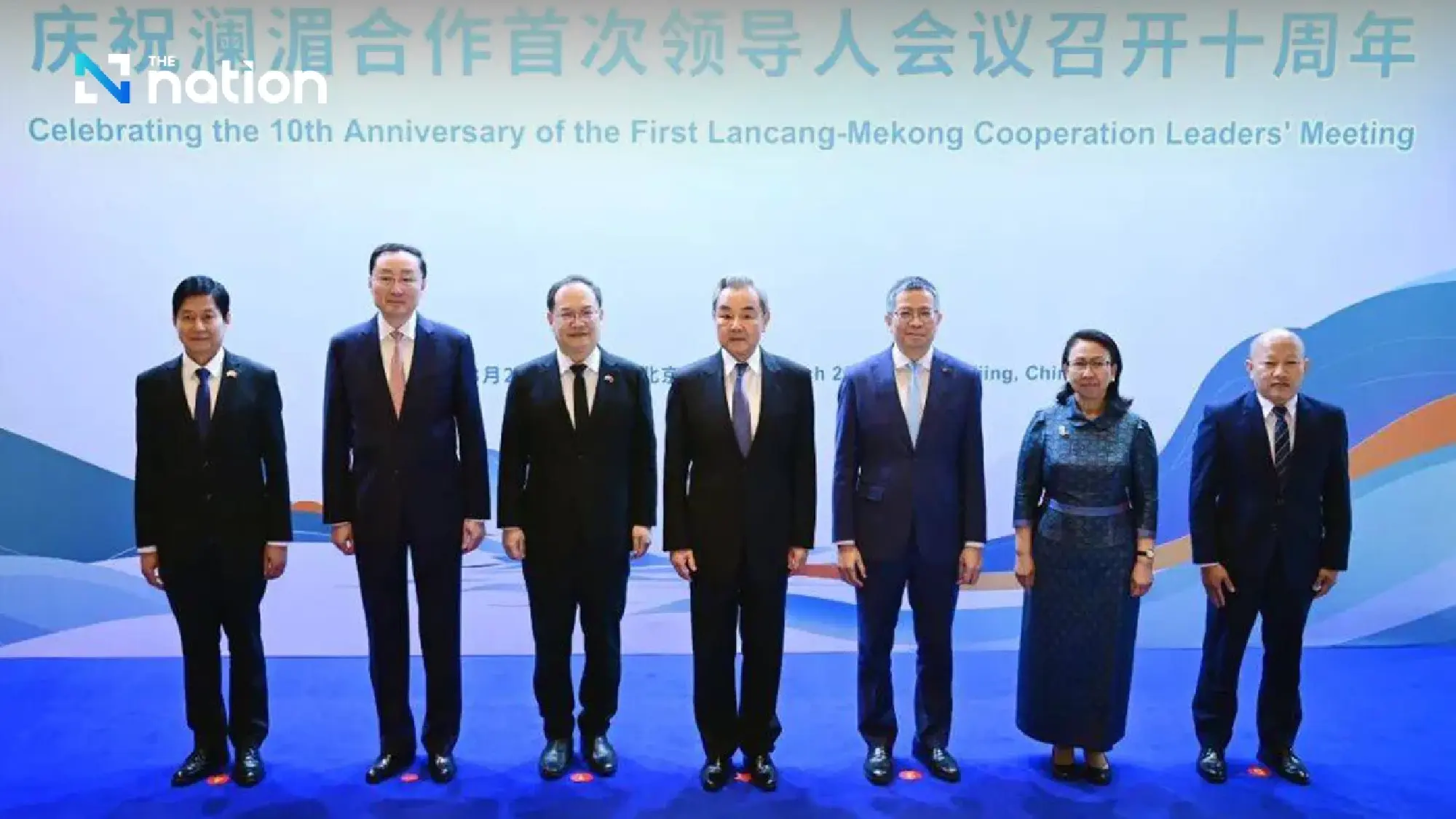

China sets out next-decade agenda under “LMC 2.0”
Looking ahead, Wang said the region should better align development strategies and jointly build “LMC 2.0” at a time of wider global turbulence. He called for faster work on an LMC International Secretariat, stronger infrastructure links, expanded cooperation under the New International Land-Sea Trade Corridor and the building of an LMC Economic Development Belt.
He also proposed deeper cooperation in the digital economy, artificial intelligence, scientific and technological innovation, ecological governance and new energy investment, alongside efforts to build regional green value chains and industrial clusters. On softer links, he urged faster development of the Lancang-Mekong Tourism Cities Cooperation Alliance, closer media and think-tank cooperation, and more youth and personnel exchanges.
Trade, security and people links highlighted as gains
Security remained a major plank of the message. Wang said Mekong countries should deepen whole-basin governance, continue sharing upstream and downstream hydrological information, and intensify joint action against cross-border crimes including online gambling and telecom fraud. He also called for continued support for joint patrol and law-enforcement operations on the Mekong.
Thailand’s ambassador to China, Chatchai Viriyavejakul, speaking as co-chair of the mechanism, praised the cooperation’s progress over the past decade and called for deeper solidarity to build what he described as a safer, cleaner and more sustainable shared future for Lancang-Mekong countries. Two reports on future regional pathways and connectivity were also released at the reception.
Framed in Beijing as the start of a “new golden decade”, the initiative signals that China wants the Lancang-Mekong framework to play a bigger role in regional development and governance as the six-country grouping moves into its second decade.
