
Genderless fashion finds fresh demand among young Japanese
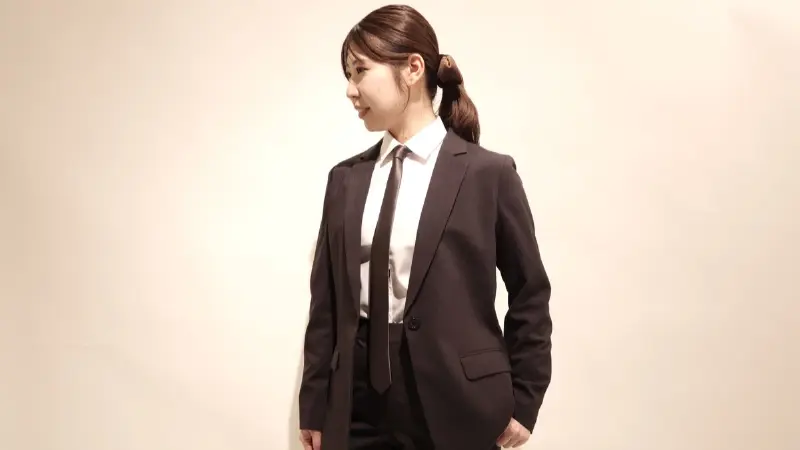


Japanese retailers are widening genderless fashion ranges as Gen Z shoppers embrace men’s parasols, women’s ties and unisex suiting.
- Genderless fashion is a growing trend among young Japanese people, particularly Generation Z, who are prioritizing personal expression over traditional gender norms.
- In response, Japanese clothing companies are expanding unisex lines and adjusting store layouts, successfully marketing menswear-inspired items like ties and suits to women.
- The trend also sees men increasingly purchasing items traditionally designed for women, such as small tote bags and parasols, for reasons of both style and practicality.
Fashion choices that put personal expression ahead of traditional gender expectations are gaining traction among young people in Japan, especially Generation Z, broadly aged 15 to 30. The trend includes men carrying parasols and women wearing neckties.
As genderless fashion spreads, Japanese clothing companies are expanding their ranges and adjusting store layouts to make such items easier for customers to buy.
Aoyama Trading Co., a major menswear retailer, introduced the Skinny Tie in January. Designed for women, it is slimmer and shorter than men’s ties and forms a smaller knot. The company also sells unisex suits in both the men’s and women’s sections of its stores.

In a survey conducted last year among about 850 female members of Aoyama Trading’s app, around half said they were interested in styles originally created for men. A company official said menswear-inspired items are becoming popular among young women.
With fewer people wearing suits to work, Aoyama Trading is trying to cultivate fresh demand among female customers, including those from Generation Z.
Sanyo Shokai Ltd., another major apparel company, has found that small bags first designed for women are also drawing strong interest from male shoppers.
A lunch tote bag released in late November performed especially well, with first-month sales reaching about three times the company’s target. Men in their 30s and 40s were the main buyers, and many also bought a small stuffed bear to decorate the bag.

Parasols are also becoming more common among men as Japan faces increasingly intense summer heat. Waterfront Co., a Tokyo-based umbrella maker, said 23 per cent of men in their 30s began using parasols last year.
Aoki Inc., a major menswear company, said many customers buying parasols at its stores are men.
“Men may be finding it easy to buy parasols at business wear stores,” a company official said.

[Copyright The Jiji Press, Ltd.]
