
All provinces ordered to brace for flash floods as rainy season begins



Thailand has ordered all provinces to prepare for flash floods, forest run-off and intense downpours as the country enters the 2026 rainy season.
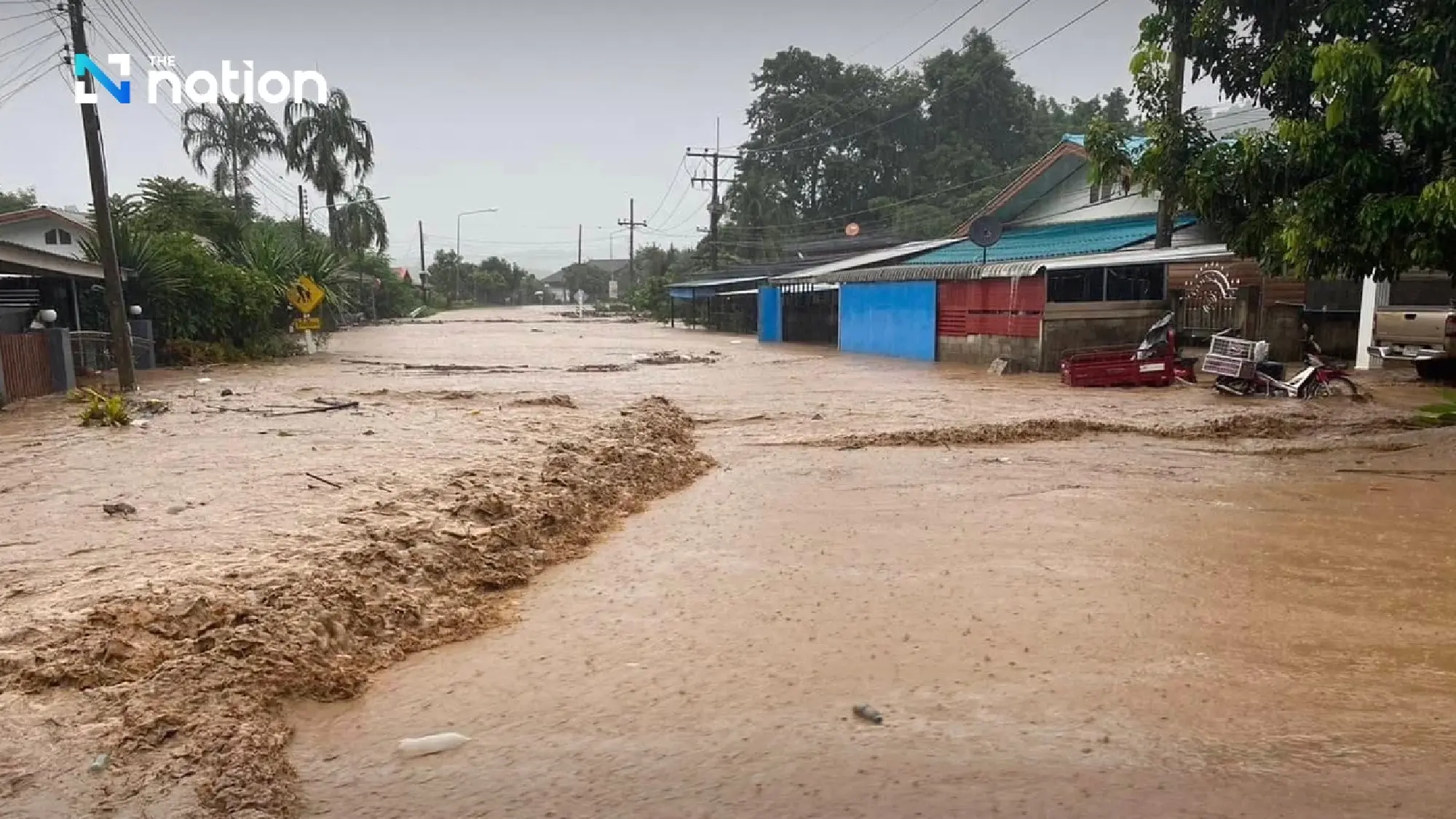
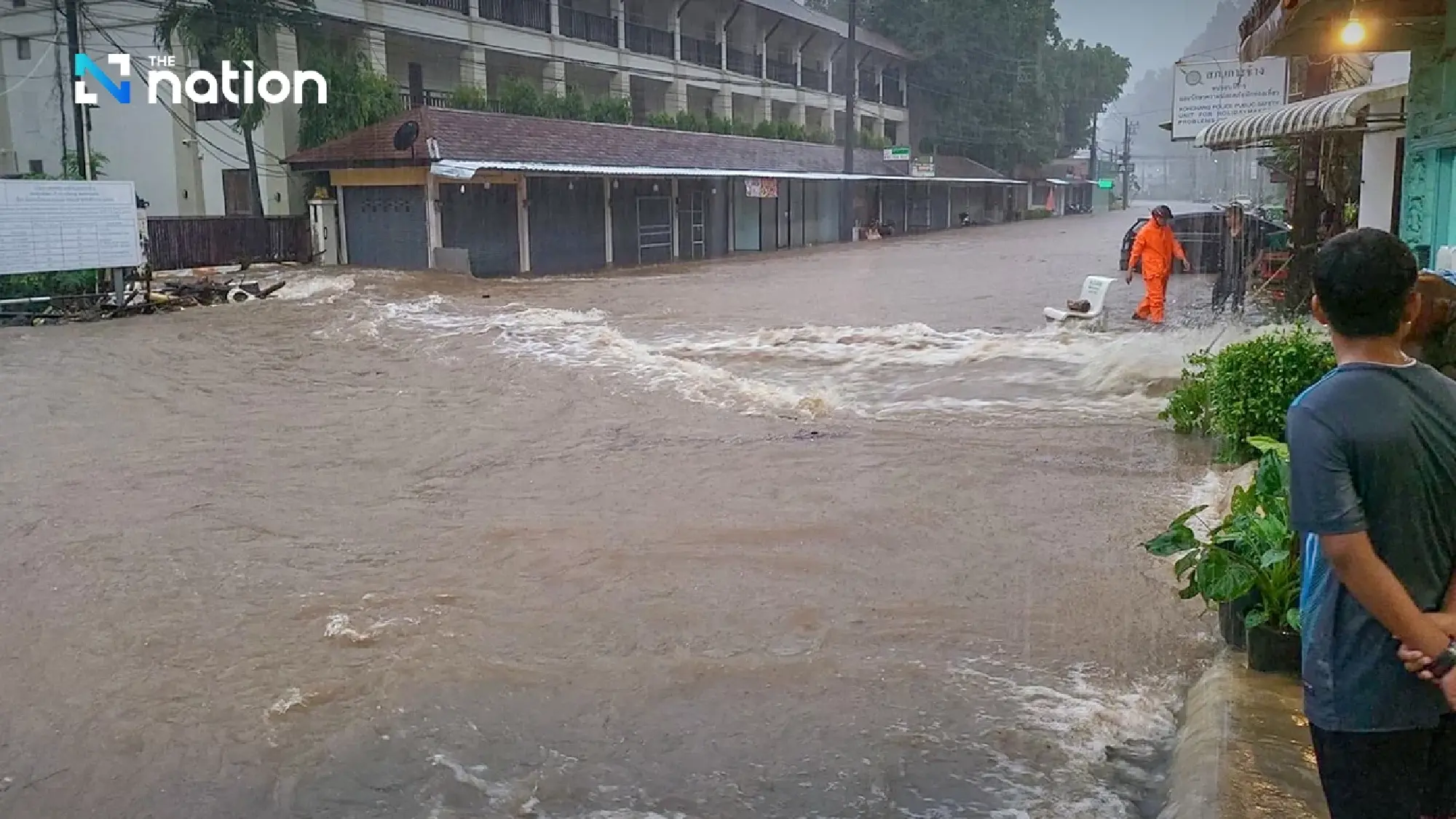
All provinces have been ordered to prepare for flash floods, forest run-off and intense downpours after Thailand officially entered the rainy season, with authorities warning that a cyclone could form in the Andaman Sea or Bay of Bengal later this month.
The National Disaster Prevention and Mitigation Command has issued an urgent order instructing provincial authorities nationwide to prepare for possible flooding during the 2026 rainy season.
The move follows a clarification by the Thai Meteorological Department that Thailand has officially entered the rainy season.

Possible cyclone raises flood concerns
Teeraphat Khatchamat, director-general of the Department of Disaster Prevention and Mitigation, said weather monitoring with the Thai Meteorological Department found that Thailand was entering the rainy season in the second half of May.
This is expected to bring widespread and heavy rainfall to many areas.
Authorities are also monitoring the possibility of a cyclone forming in the Andaman Sea or Bay of Bengal and moving closer to Thailand’s western region.

Flash floods and ‘rain bombs’ under watch
Officials have been instructed to closely monitor key risks, including:
- Heavy to very heavy rain in several areas
- Flash floods and forest run-off
- River overflows in low-lying areas
- Sudden intense downpours, known as “rain bombs”
A “rain bomb” refers to a short period of extremely heavy rainfall that can quickly overwhelm drainage systems and trigger sudden flooding.
Provinces told to activate flood response plans
Anutin Charnvirakul, prime minister and interior minister, in his capacity as commander of the National Disaster Prevention and Mitigation Command, ordered all provincial disaster prevention and mitigation centres to strictly follow their emergency response plans.
The order covers three main stages: preparation before incidents, emergency response during flooding and recovery after floodwaters recede.
Authorities told to prepare before floods hit
Before flooding occurs, provinces must analyse weather and water-volume data to issue early warnings to the public.
They have also been told to inspect reservoirs, water-retention areas and flood barriers. Any high-risk points must be urgently repaired or reinforced.
Flood response plans must be reviewed, while disaster-response machinery must be checked and kept ready for immediate deployment.
Evacuations ordered if heavy rain intensifies
During emergencies, provincial and district incident command centres must be set up, along with local emergency operation centres.
If accumulated rainfall or intense downpours create immediate risk, officials have been ordered to evacuate residents to temporary shelters without delay.
In coastal areas, authorities must coordinate with relevant agencies to closely monitor boat operations if strong winds and high waves occur.
Recovery work to begin after water recedes
Once floodwaters recede, authorities must quickly assess damage in all affected areas to support compensation payments under government criteria.
Agencies have also been instructed to work with the military, police and volunteers to repair damaged homes and transport routes so communities can return to normal as soon as possible.
Public safety placed as top priority
Anutin stressed that officials must place the safety and lives of affected people above all else.
He also ordered personnel and equipment to be stationed in advance at high-risk areas so help can reach residents quickly if flooding occurs.
Emergency centres on 24-hour standby
The Department of Disaster Prevention and Mitigation has ordered its regional centres 1 to 18 nationwide to keep personnel and equipment on standby around the clock.
Equipment includes evacuation vehicles, mobile kitchens, flat-bottomed boats and water pumps.
Members of the public can follow flood updates or request assistance through:
- THAI DISASTER ALERT application
- Line: “ปภ.รับแจ้งเหตุ1784”
- Line ID: @1784DDPM
- Safety hotline: 1784, free of charge 24 hours a day
