
Amnesty urges Thailand to prioritise rights in Myanmar talks


Amnesty urges Thailand to put human rights, civilian protection and accountability on the agenda during Min Aung Hlaing’s August 6-7 visit.
Amnesty International Thailand has called on the government to make human rights a central issue in talks with Myanmar President Min Aung Hlaing during his official visit from August 6 to 7, 2026, warning that closer trade and diplomatic ties must not overshadow allegations of crimes under international law or continuing attacks on civilians.
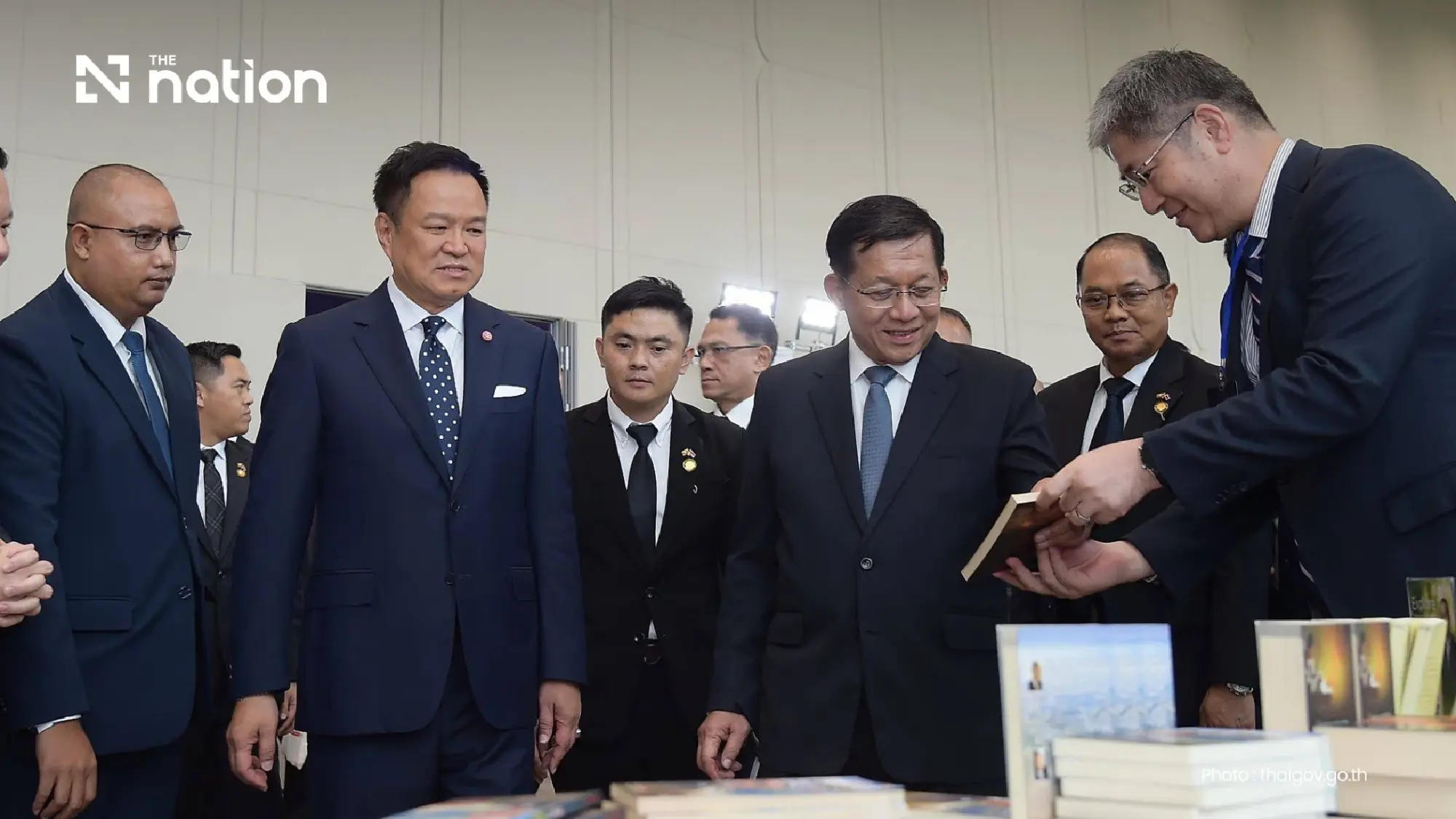
The two-day trip is taking place at the invitation of Prime Minister Anutin Charnvirakul. Min Aung Hlaing’s programme includes bilateral talks with Anutin, meetings with Thailand’s legislative leaders and the opening of the Thailand-Myanmar Business Forum 2026, which will bring together businesses from both countries to discuss trade and investment.
Amnesty said the conduct of foreign relations was the responsibility of the Thai government, but argued that welcoming a leader accused of responsibility for serious human rights violations raised questions about Thailand’s role in promoting and protecting human rights.
The organisation urged Bangkok not to allow bilateral cooperation to proceed at the cost of ignoring alleged abuses that continue in Myanmar.

Min Aung Hlaing, the former commander-in-chief who led the February 2021 coup against Myanmar’s elected civilian government, became president in April following elections organised by the military authorities. Amnesty has said his new political position should not shield him from accountability for alleged crimes under international law.
ICC warrant request remains pending
The Office of the Prosecutor of the International Criminal Court applied in November 2024 for an arrest warrant against Min Aung Hlaing over alleged crimes against humanity involving the deportation and persecution of the Rohingya.
The prosecutor alleged that the crimes were committed between August and December 2017, partly in Myanmar and partly in Bangladesh. ICC judges have yet to issue a public decision on the application, meaning no ICC arrest warrant against Min Aung Hlaing has been made public.
Amnesty said that, should the warrant be approved, countries that are parties to the Rome Statute would be required to act on it if Min Aung Hlaing entered their jurisdiction.
Thailand signed the Rome Statute in October 2000 but has not completed the ratification process and is therefore not an ICC state party.
“No political position should serve as a shield against accountability under international law,” said Sataphat Sinsawang, senior policy advocacy officer at Amnesty International Thailand.
He called on Thailand to uphold the rule of law and its human rights commitments, press Myanmar to end attacks on civilians and seek the release of people held arbitrarily.

Amnesty cites worsening post-coup abuses
Sataphat said Myanmar’s human rights situation had continued to deteriorate since the 2021 coup.
Amnesty accused the Myanmar military of carrying out indiscriminate attacks and air strikes against civilians, conducting arbitrary arrests and detention, torturing detainees, suppressing dissent and systematically restricting freedom of expression.
The organisation said such violations had been documented by the United Nations, international human rights mechanisms and rights groups. Amnesty, Fortify Rights and Human Rights Watch have also reported intensified military operations and attacks on civilian infrastructure ahead of Myanmar’s military-organised elections.
Figures cited in Amnesty International Thailand’s statement showed that, since February 1, 2021:
- at least 2,200 people had died while in the custody of the military authorities;
- at least 30,000 had been arrested or charged;
- four people had been executed after being accused of assisting insurgents fighting the military;
- at least 3.6 million people had been internally displaced; and
- at least 400 had faced action under legislation described as an “election protection” law.
Amnesty said Min Aung Hlaing’s trip should not be treated solely as a routine diplomatic visit. It called on the Thai government to use the talks to emphasise civilian protection and the principle that those accused of responsibility for serious crimes should face independent legal scrutiny.
Thailand urged to stop aviation-fuel flows
Amnesty also urged Thailand to act against aviation-fuel supply chains that could enable further military air strikes in Myanmar.
Its latest research, based partly on Myanmar Port Authority data, found that at least 109,604 metric tonnes of aviation fuel entered Myanmar in 2025. The volume was 69% higher than in 2024 and the largest annual amount recorded since the coup.
The organisation called on the Thai government to prevent aviation fuel from being exported or transited through Thailand when it could be used in attacks on civilians.
It also urged the authorities to oversee companies operating in Thailand and ensure that they were not involved in supply chains facilitating human rights violations by Myanmar’s military.
Amnesty said the August 6-7 visit should extend beyond economic, trade and bilateral cooperation, with human rights placed firmly on the diplomatic agenda.
