
Thailand expects UNCLOS panel chair on August 14
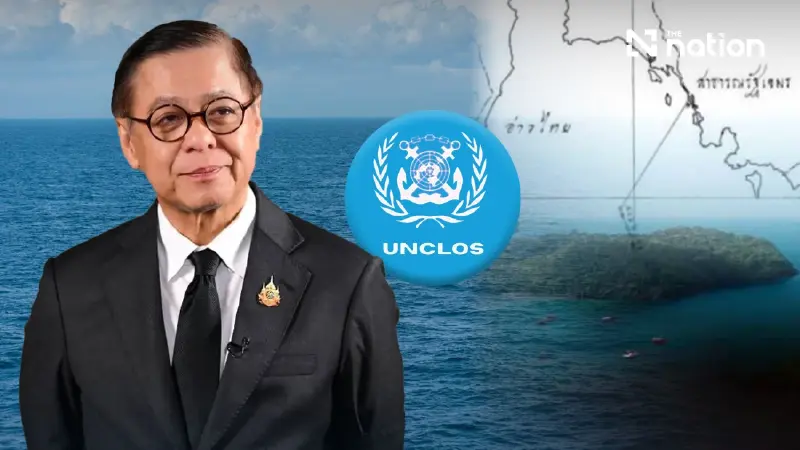


Thailand says a chair will be selected for the UNCLOS conciliation panel with Cambodia on August 14, ahead of a first meeting in September.
Thailand expects the chair of a five-member conciliation commission addressing its maritime boundary dispute with Cambodia under the United Nations Convention on the Law of the Sea to be selected on August 14.
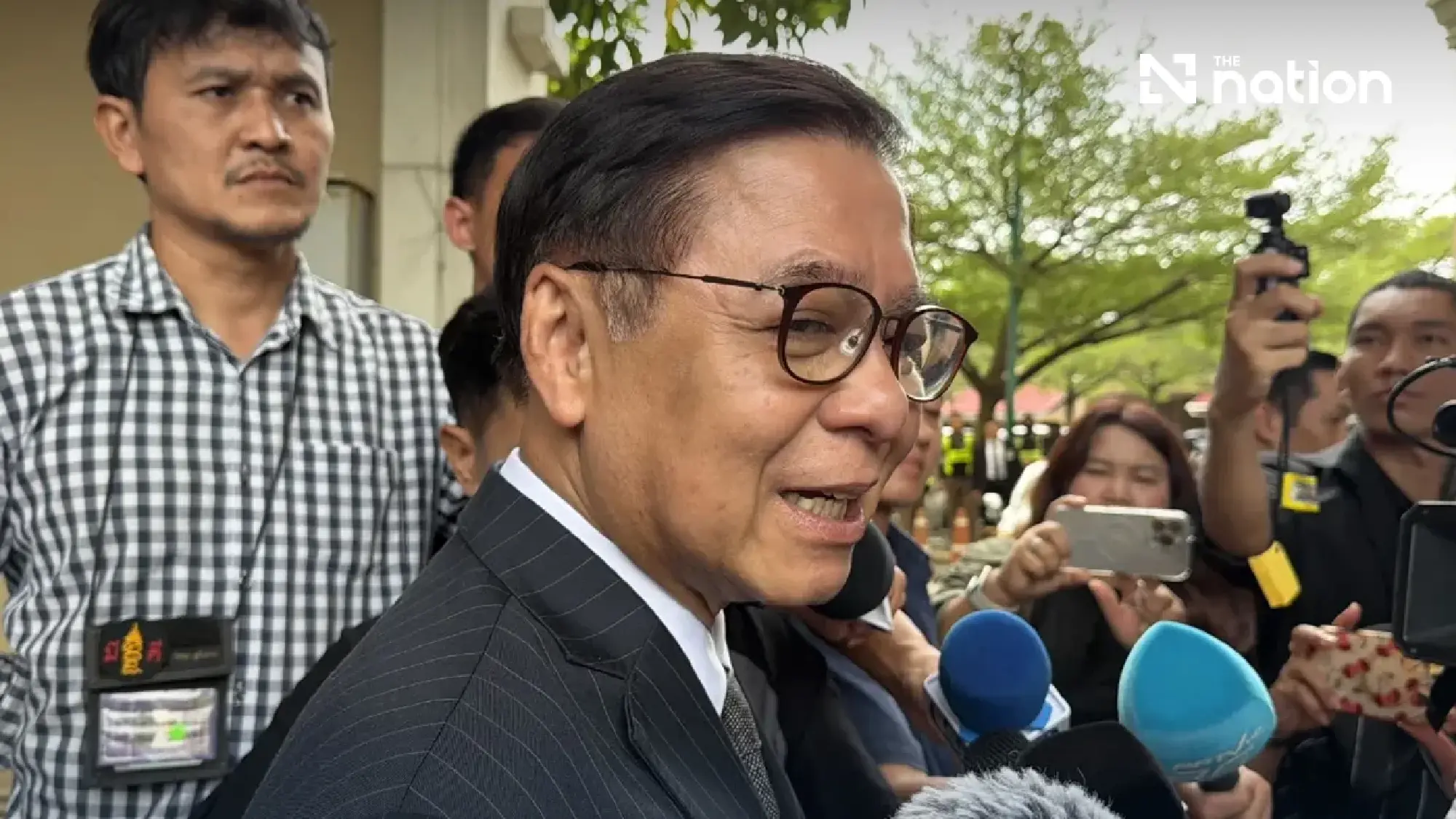
Deputy Prime Minister and Foreign Minister Sihasak Phuangketkeow said at Government House on Tuesday (August 11) that the commission’s first meeting was then likely to take place around September.
Thailand and Cambodia have each appointed two conciliators. The four members are responsible for selecting a fifth conciliator to chair the commission, with both countries previously agreeing to extend the selection deadline from July 19 to August 14.
Thailand returns six preferred candidates
Sihasak said a list of about 10 qualified candidates had been sent to the Thai and Cambodian governments for consideration.
Thailand selected six candidates and returned its preferences. The chair will be chosen after the lists submitted by the two countries have been considered.
The candidate pool included specialists from Europe, Asia and Latin America, with their qualifications forming the basis of the selection, he said.
Possible venues for the first commission meeting include centres with maritime-law institutions in The Hague in the Netherlands, Paris in France, Singapore and Vietnam.
The commission is expected to use its initial meeting to establish the overall framework for the proceedings, including its rules of procedure.

Cambodia initiated proceedings after maritime MOU ended
Cambodia formally notified Thailand and the UN secretary-general on June 2 that it was initiating compulsory conciliation under Annex V of UNCLOS over the countries’ long-running overlapping maritime claims in the Gulf of Thailand.
The notification followed Thailand’s termination on May 5 of the 2001 memorandum of understanding that had provided a bilateral framework for negotiations over the Overlapping Claims Area.
Cambodia argued that the termination had removed the existing mechanism for resolving the dispute and said compulsory conciliation was intended to protect its sovereignty and maritime rights through international law.
Thailand submitted its formal response on June 19, accepting participation in the proceedings while maintaining that direct bilateral discussions could have continued without the memorandum and had not been exhausted.
Bangkok also stated that the proceedings should be confined to maritime-boundary delimitation under UNCLOS.
Compulsory conciliation is not a court case and does not produce a legally binding judgement. The commission will issue a report containing recommendations intended to help the two countries continue negotiations towards a mutually acceptable settlement.
Thailand prepares to challenge UN rights assessment
Sihasak also addressed Thailand’s objections to an assessment by Tom Andrews, the United Nations Special Rapporteur on the situation of human rights in Cambodia, which referred to the Thai-Cambodian border situation.
He said Thailand had submitted its objections to the Office of the United Nations High Commissioner for Human Rights and the UN Human Rights Council.
The matter was expected to proceed to consideration and debate at the council, where Thailand would explain its position, concerns and reservations, he said.
Asked whether the assessment could place Thailand at a disadvantage internationally, Sihasak said it would not.
He said governments recognised that such assessments could reflect differing views, adding that Thailand was confident other countries would consider its information and understand that its conduct had remained within appropriate bounds.
