
Most Thais affected by environmental issues: TEI survey


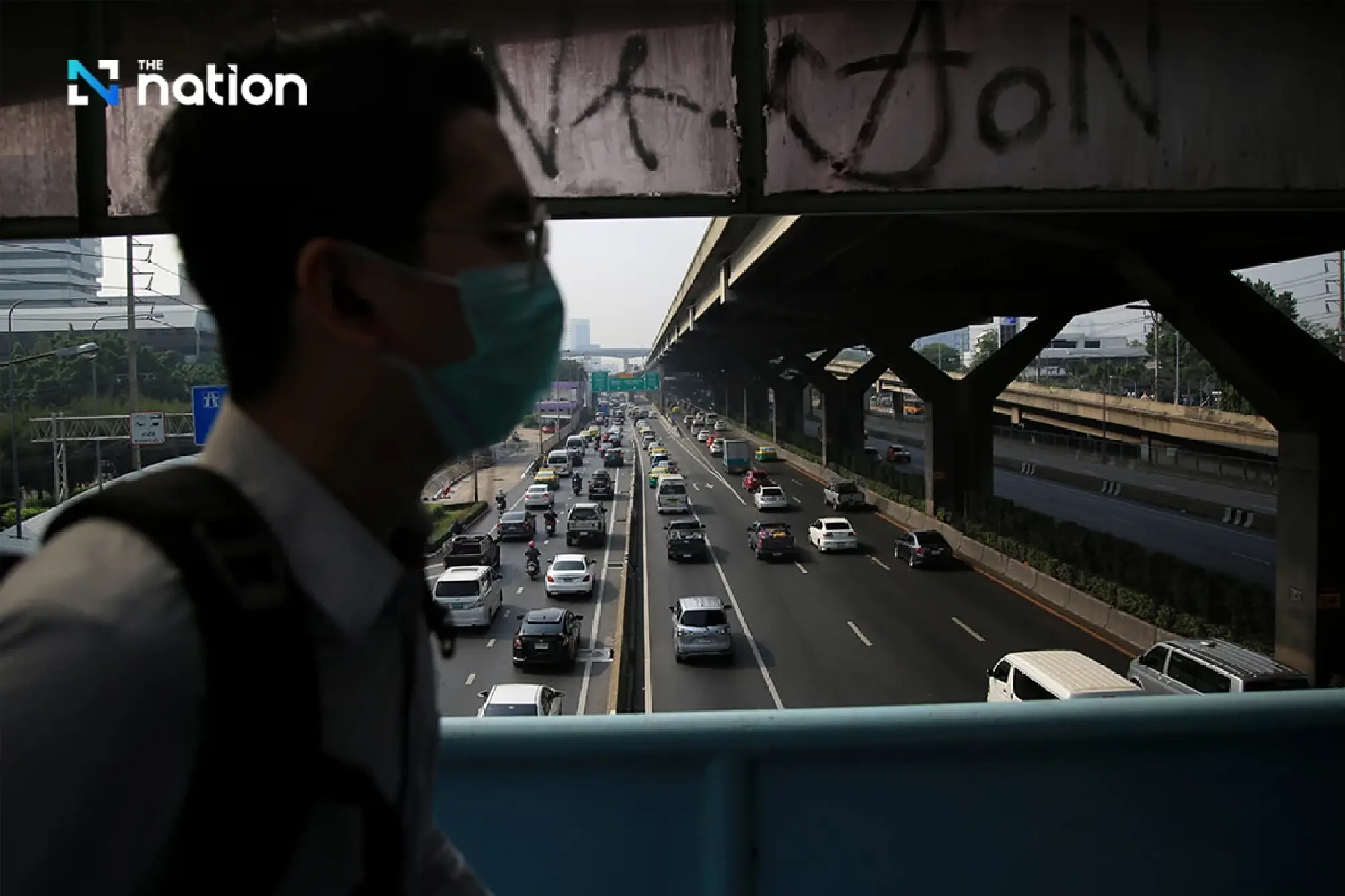
A TEI survey of 1,000+ people finds over 88% feel moderate-to-severe environmental impacts. PM2.5 ranks top, followed by climate change and waste.
An opinion survey by the Thailand Environment Institute (TEI) found that more than 88% of Thais say environmental problems have affected them at moderate to severe levels, with PM2.5 air pollution ranking as the top public concern.
TEI released the findings of its survey, “Voices of Thais 2025: Environmental crises that must be urgently addressed!”, based on a nationwide sample of more than 1,000 respondents. TEI said the results reflect a “structural failure”, with impacts cited on health, income and property.
PM2.5 air pollution was identified as the biggest concern (42%), followed by climate change (22%), and waste and pollution from rubbish (15%).
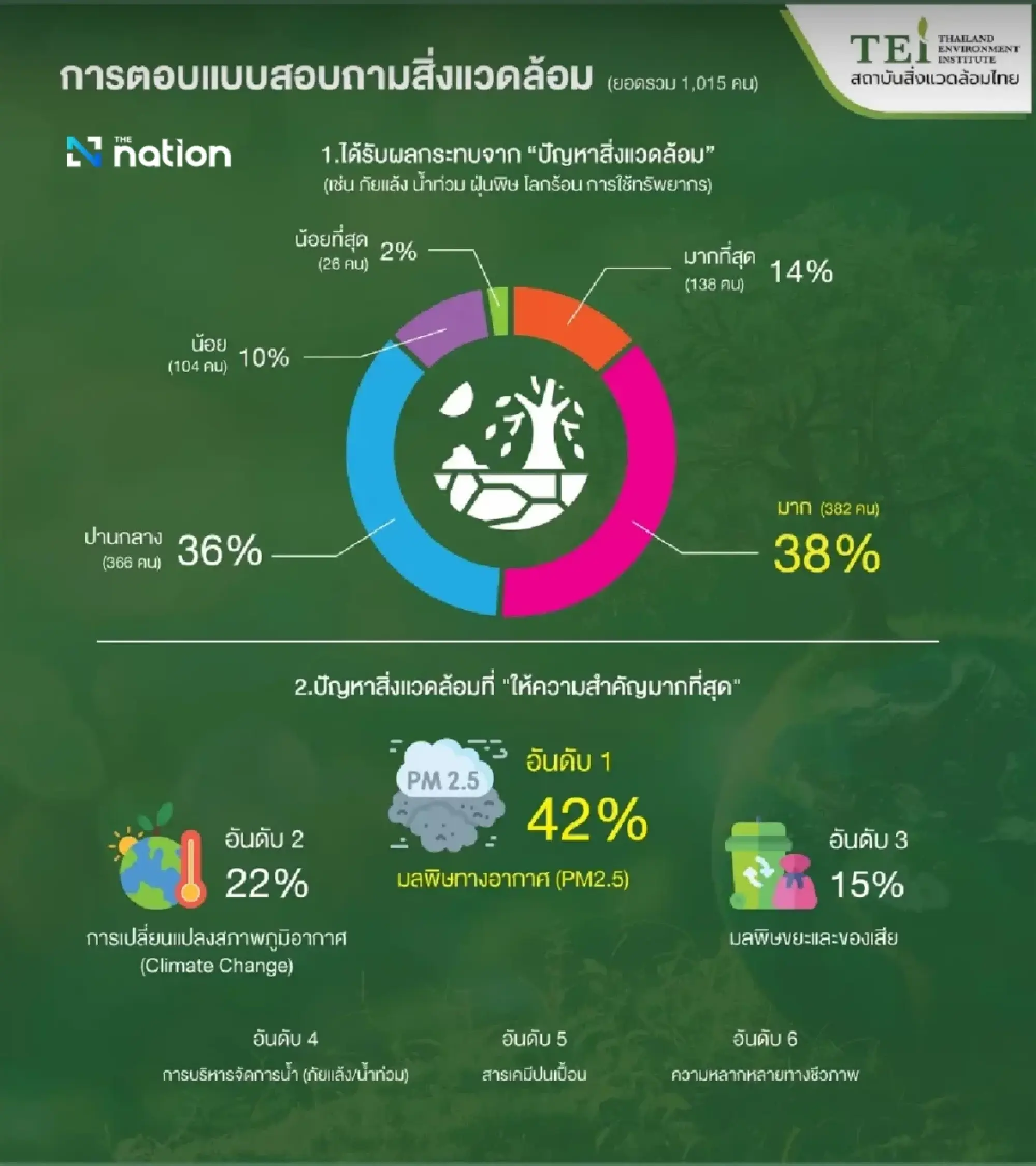

Impact levels: most respondents report moderate to severe effects
The survey found 14% described the impacts as “most severe”, 38% as “severe”, and 36% as “moderate”. A further 10% reported “low” impacts, while 2% said the impacts were “lowest”.
Top concerns: PM2.5, climate change and waste
Asked which environmental issues mattered most, respondents ranked air pollution (PM2.5) first, followed by climate change and waste-related pollution. Other issues cited included water management (drought and flooding), chemical contamination and biodiversity.
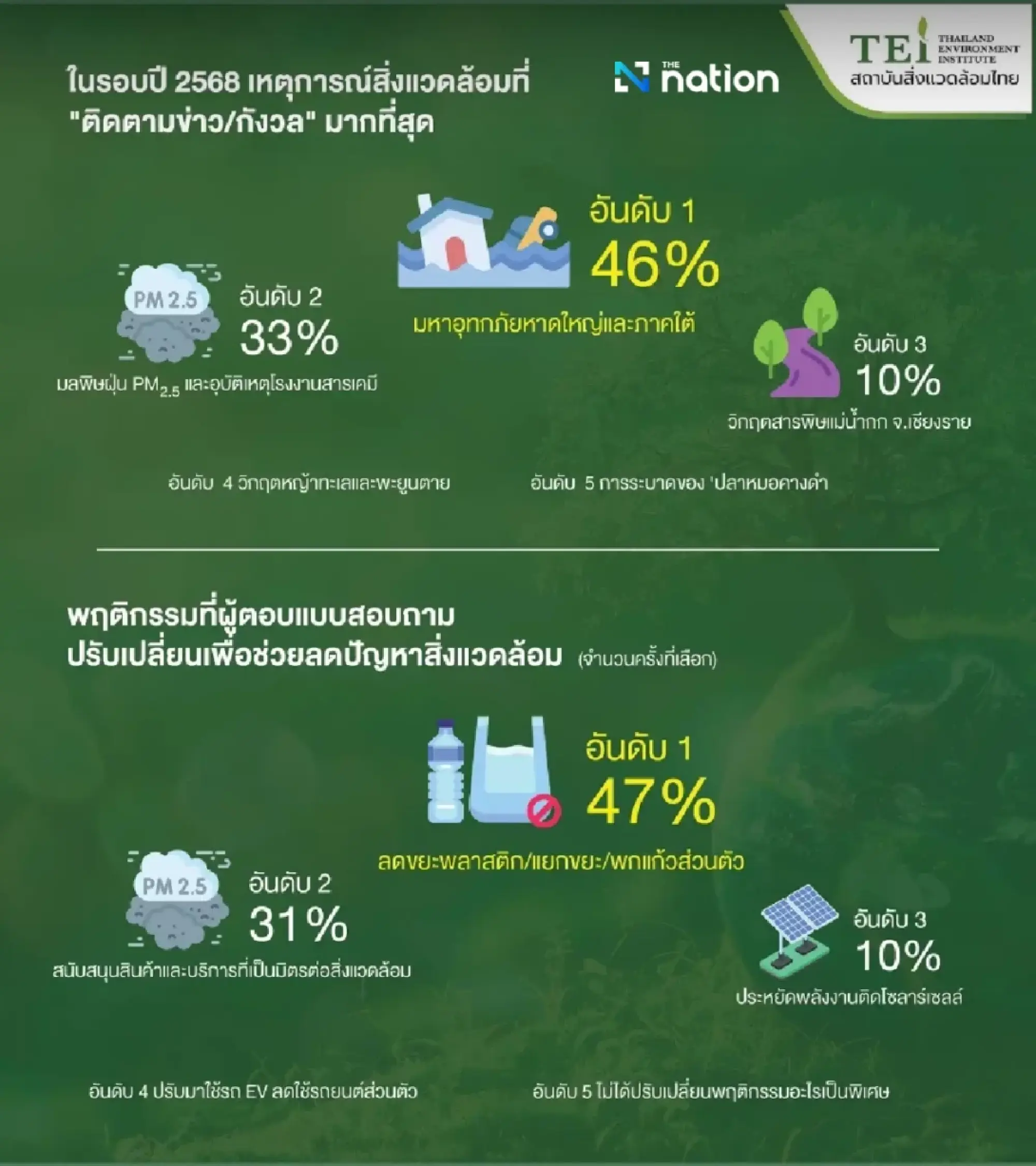

Most-followed events: disasters, PM2.5 and factory accidents
On the environmental events people follow most closely or worry about most, respondents pointed to major disasters in the Central and Southern regions (46%), followed by PM2.5 pollution and factory accidents (33%). A river crisis in Chiang Rai province was cited by 10%, while other concerns included the Pa Ha crisis and dugong deaths, and the spread of blackchin tilapia.

Behaviour changes: cutting plastics leads
Nearly half of respondents (47%) said they had reduced plastic waste, separated rubbish or carried reusable cups. Another 31% said they supported environmentally friendly goods and services, while 10% cited energy-saving measures or installing solar panels. Some also reported using EVs and reducing private car use, while others said they had not changed behaviour in any particular way.
Public policy priorities: Clean Air Act tops the list
When asked what they wanted political parties to push, respondents prioritised a Clean Air Act (57%), followed by integrated water management (51%) and comprehensive waste management, including a “Zero Waste” approach (47%). Other priorities included tighter industrial controls (39%), lower electricity bills and clean energy (38%), ecosystem restoration such as green space and mangroves (32%), and a carbon tax (14%).
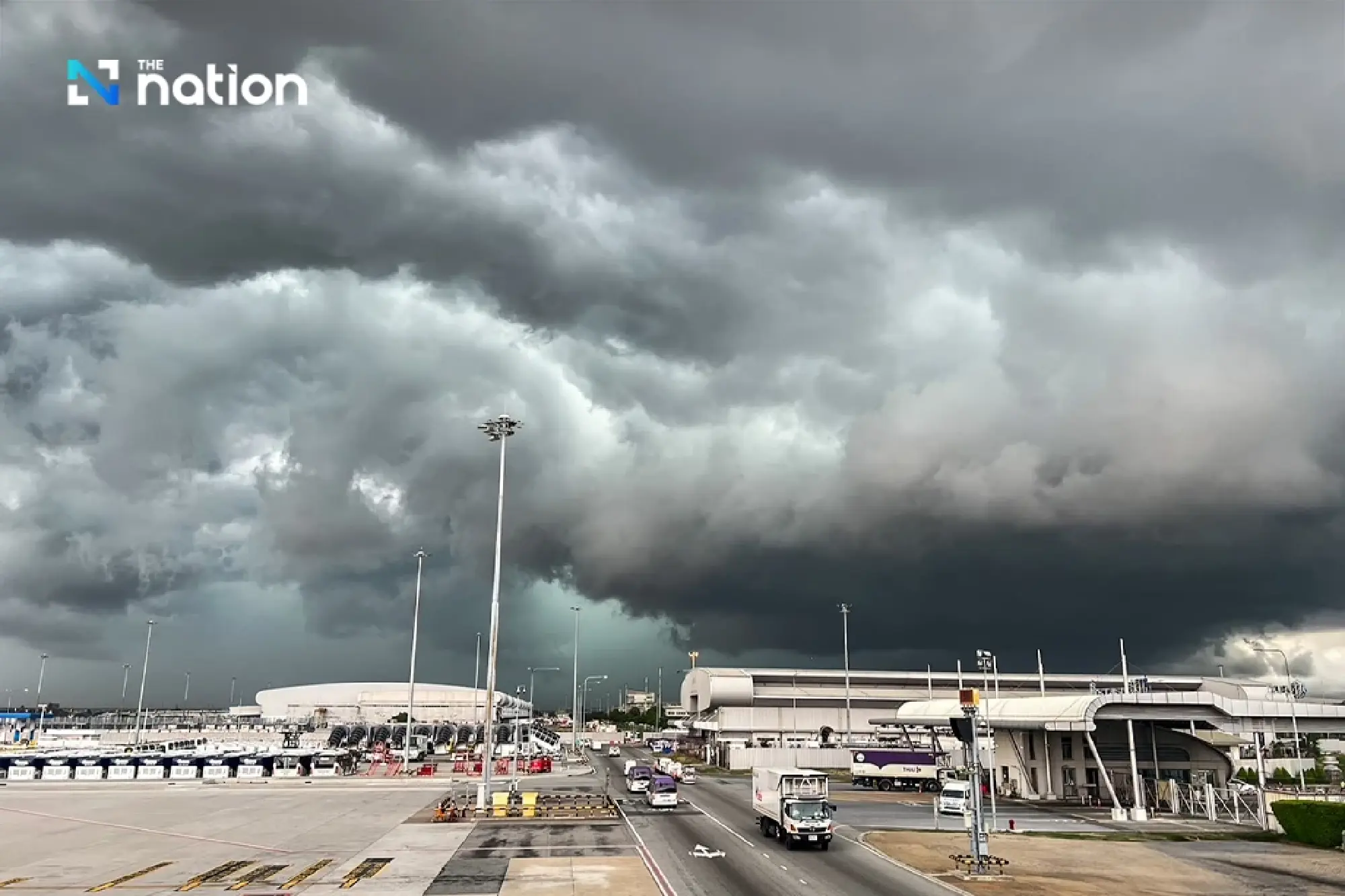

TEI warns of three linked crises
Dr Wijarn Simachaya, TEI’s director, said Thailand and the world faced three major environmental crises in 2025 that are interconnected and intensifying: climate change, biodiversity loss and pollution. He said all are rooted in unsustainable development and consumption patterns.
Climate change: extreme weather risks rising
Dr Wijarn said climate change, driven by greenhouse gas emissions, has pushed temperatures higher and is fuelling more extreme weather in Thailand. He cited more severe and alternating floods and droughts, impacts on agriculture and local economies, and rising risks for cities from flash floods and infrastructure not adapted to new climate conditions.
Biodiversity: invasive species threaten ecosystems and livelihoods
He said biodiversity decline is being worsened by invasive alien species, which affect ecosystems and food security. He cited blackchin tilapia spreading in natural waterways, harming native species and reducing incomes in fishing communities, as an example of gaps in prevention and coordination across agencies.
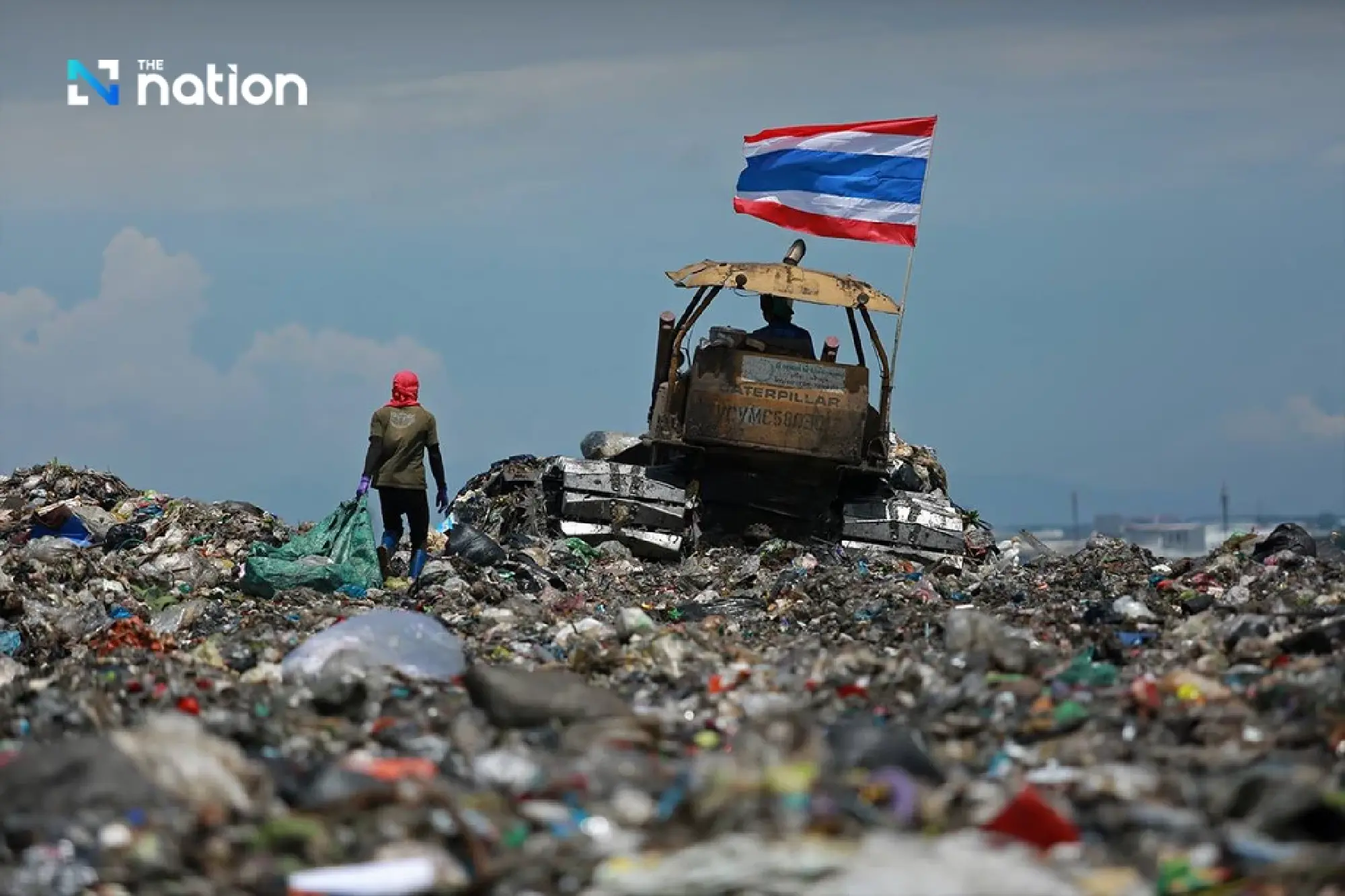

Pollution: PM2.5 and plastic waste add pressure
Dr Wijarn said pollution is becoming more severe and complex, driven by PM2.5 from domestic sources and transboundary haze, as well as mounting waste—especially plastics and microplastics contaminating soil, water and the food chain. He said the impacts extend beyond the environment to public health, healthcare costs and Thailand’s long-term competitiveness.
Dr Wijarn said the survey indicates environmental policy is no longer a secondary political issue, but a national priority that must be integrated with economic, health and security planning to shape quality of life and Thailand’s long-term competitiveness.
