
GISTDA: Thailand’s burned area hits 2.26m rai in January
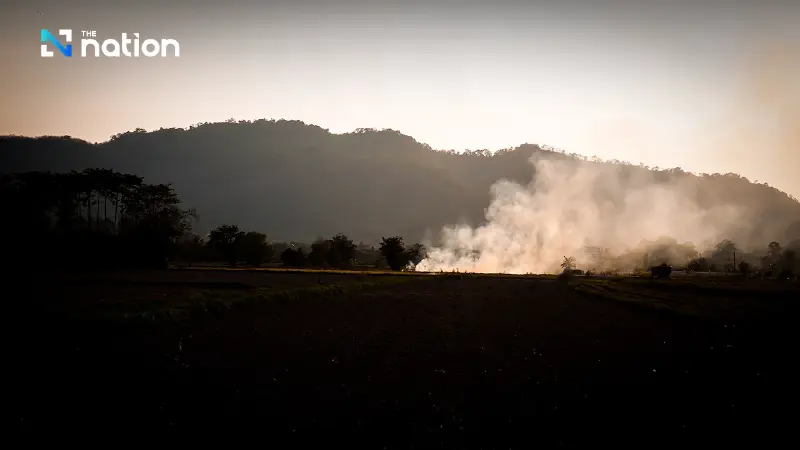


GISTDA says Thailand’s cumulative burned area reached 2.26 million rai in January 2026, with hotspots linked to PM2.5 spikes and stagnant air.
Satellite data shows 2.26 million rai burned in January
Thailand recorded a cumulative burned area of 2.26 million rai between January 1–31, 2026, according to an analysis of Sentinel-2 satellite imagery by the Geo-Informatics and Space Technology Development Agency (Public Organisation), or GISTDA.
The agency said the scale of burning reflects the severity of the problem and has a clear link to surging PM2.5 levels in many parts of the country, particularly early in the year when weather conditions can trap pollution and limit air circulation.

Hotspots concentrated in Central and Northeast regions
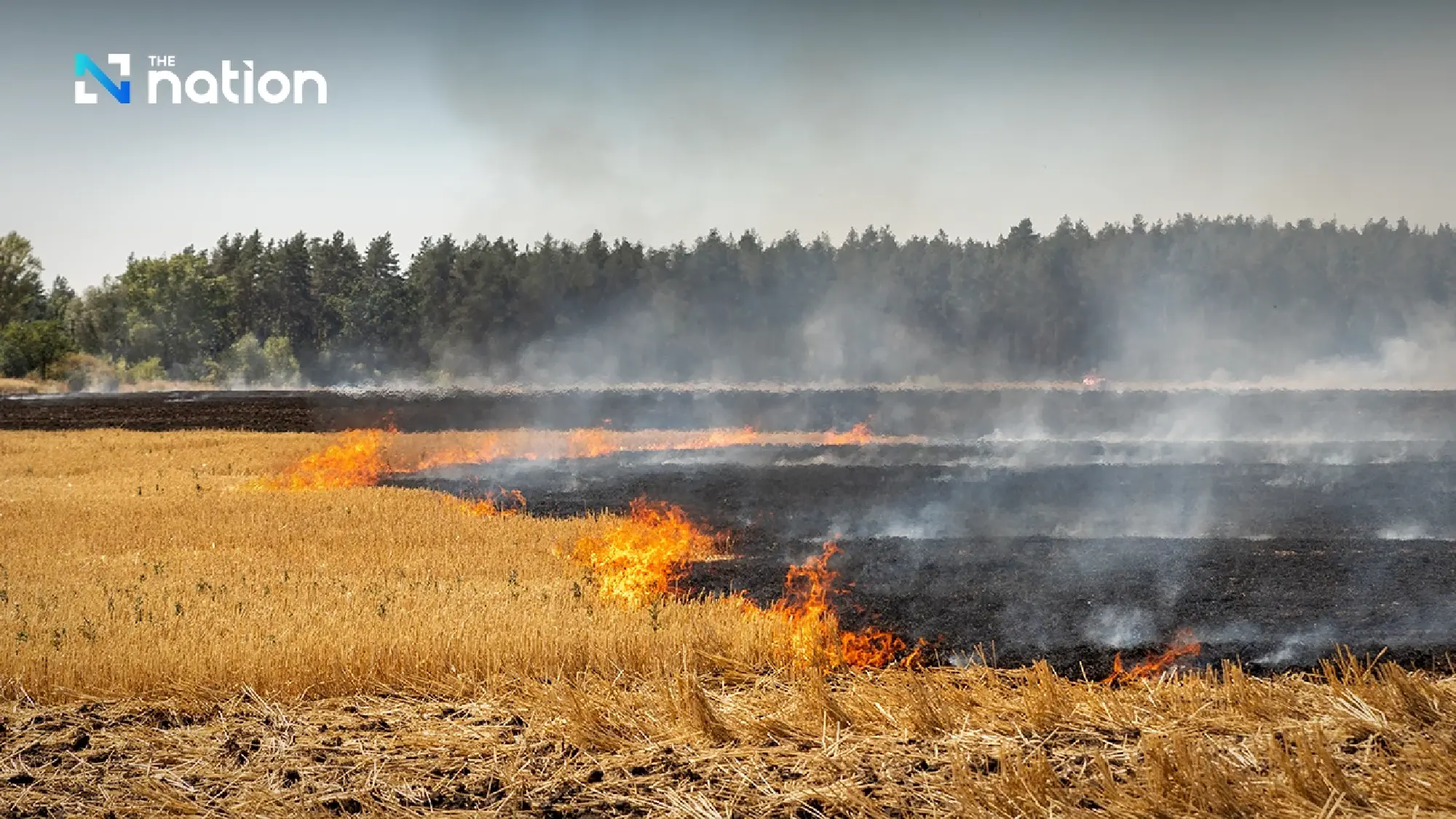
A detailed spatial assessment found that most hotspots and burned areas were clustered in the Central and Northeastern regions. GISTDA said the pattern aligns with post-harvest agricultural burning used to prepare fields.
While the practice can reduce costs and save time in the short term, the agency warned it creates significant long-term environmental and public health costs.

Agricultural land most affected, but fires spread across land types
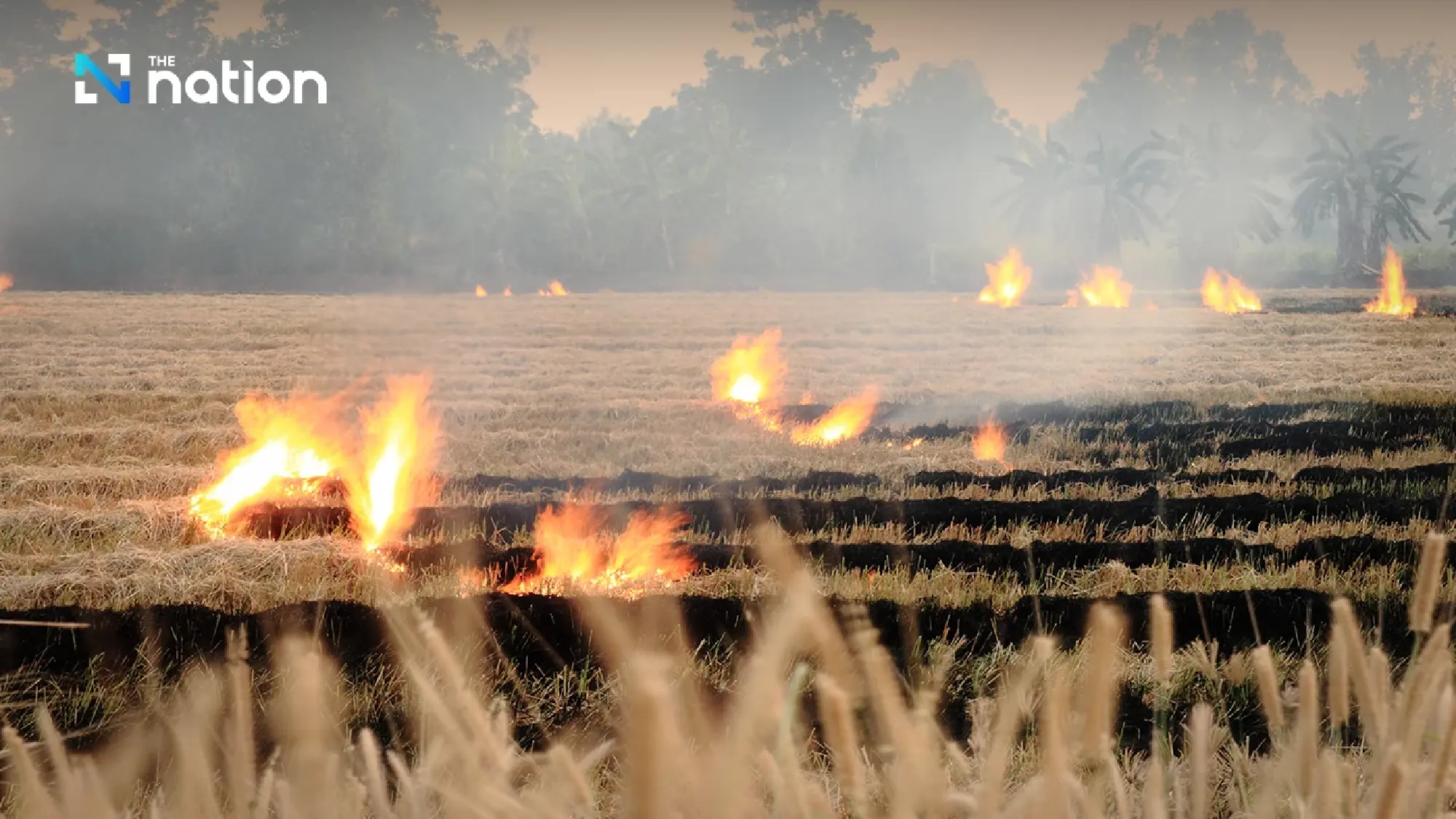
To provide a fuller picture, GISTDA classified burned areas by land-use type. Agricultural land was the hardest hit, with 1.43 million rai burned.
Other affected categories included:
- ALRO land reform areas: 421,000 rai
- National reserved forest: 213,000 rai
- Community areas and other land: 117,000 rai
- Conservation forest: 58,600 rai
- Roadside areas: 17,100 rai
GISTDA said the figures show burning is not confined to forests, but cuts across multiple land-use categories.
GISTDA shares hotspot data to support faster response
GISTDA said it is continuing to monitor hotspots and burned areas nationwide and is providing spatial data to relevant agencies to support fuel management planning, wildfire control, and timely haze mitigation.
The agency also urged the public to refrain from open burning to reduce pressure on the environment and the wider health impacts.
Public can track wildfire and burned-area data online
GISTDA said the public can follow and download wildfire and burned-area data via the Disaster GISTDA system: https://disaster.gistda.or.th/fire
