
PM2.5 rises across Thailand; 18 provinces exceed standard, CAPM warns
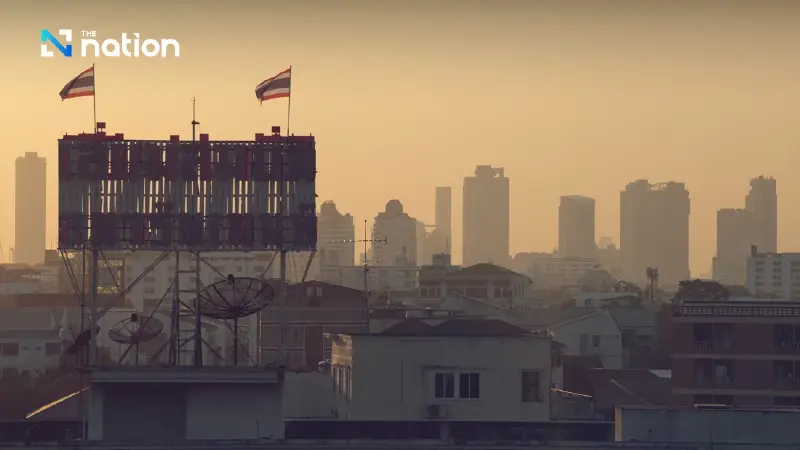


Thailand’s Center for Air Pollution Mitigation (CAPM) says PM2.5 is starting to affect health in several regions, with 18 provinces over the standard at 5pm on February 15, 2026, and poor ventilation forecast for February 16–22.
PM2.5 begins affecting health in multiple regions
The Center for Air Pollution Mitigation (CAPM) reported that as of 5.00pm on February 15, 2026, PM2.5 levels in many areas nationwide were beginning to impact health—particularly in Bangkok and surrounding provinces, the North, and the Northeast.
18 provinces recorded PM2.5 above the standard
CAPM said 18 provinces recorded PM2.5 above the standard (orange/red levels):
- Central and Western: Nonthaburi, Bangkok, Sing Buri, Saraburi, Ang Thong, Uthai Thani, Kamphaeng Phet
- North: Nan, Phitsanulok, Phetchabun
- Northeast: Loei, Khon Kaen, Kalasin, Ubon Ratchathani, Sisaket, Nakhon Ratchasima, Surin
- East: Sa Kaeo


Regional readings at a glance
- North: Above standard in 5 areas; 12.0–46.4 µg/m³
- Northeast: Above standard in 7 areas; 20.4–50.3 µg/m³
- Central and Western: Above standard in 3 areas; 14.1–64.6 µg/m³
- East: Above standard in 1 area; 16.1–52.7 µg/m³
- South: Overall very good; 9.6–13.9 µg/m³
- Bangkok and surrounding provinces (PCD stations with BMA): Above standard in 3 areas; 11.2–42.2 µg/m³
7-day outlook: “stagnant air” risk for most regions (February 16–22)
Based on weather and ventilation analysis, CAPM said almost every region—except the South—is likely to face periods of stagnant air and light winds, which can lead to dust accumulation.
Bangkok and surrounding provinces: highest vigilance (February 16–21)
PM2.5 is expected to trend upward throughout the week, driven by poor ventilation in the morning and evening and easterly winds that may carry and trap pollution in the area. People commuting by public transport or working outdoors in inner Bangkok and Samut Prakan were advised to prepare protective masks.
Northern region: watch early-week inversion (February 16–18)
CAPM aid conditions may tighten during February 16–18, especially in the lower North, due to temperature inversion that can trap pollution near the ground. Watch areas listed include Phitsanulok, Phichit and Nakhon Sawan.
Northeast: longest accumulation period (through February 22)
CAPM described the Northeast as the most concerning region this week, with a continuing rise expected through February 22, linked to local emissions, open burning, and cross-border pollution accumulation.
Central and East: spike expected (February 16–17)
CAPM said a sharper increase is expected on February 16–17, before stabilising if southerly winds help disperse pollution. Watch areas include Saraburi, Nonthaburi and Sa Kaeo.
South: clean air expected to continue
CAPM said the South is forecast to remain in blue/green levels (very good/good) over all seven days, supported by strong ventilation and sea breezes.
Advisory timeline for high-risk periods
CAPM outlined the following watch periods:
- February 16–17: Most regions (except the South) likely at orange—health impacts begin
- February 18–20: Bangkok metro and the Northeast remain key watch areas—continued accumulation
- February 21–22: Northeast and some parts of Bangkok remain under watch—poor ventilation risk persists
During February 16–18, when levels are expected to rise, CAPM advised schools and agencies in risk areas to consider moving outdoor activities indoors to reduce exposure for children and youth.
Health guidance and where to check real-time readings
CAPM offered the following advice:
- General public: Reduce outdoor time, or wear a dust mask (N95) when outside
- At-risk groups (children, older people, those with respiratory conditions): Avoid outdoor activity; seek medical advice promptly if coughing, shortness of breath, or eye irritation occurs
Real-time PM2.5 updates are available via Air4Thai.com, airbkk.com, and the Air4Thai and AirBKK apps.
