
Northern wildfire surge pushes Thailand hotspots to 2026 high
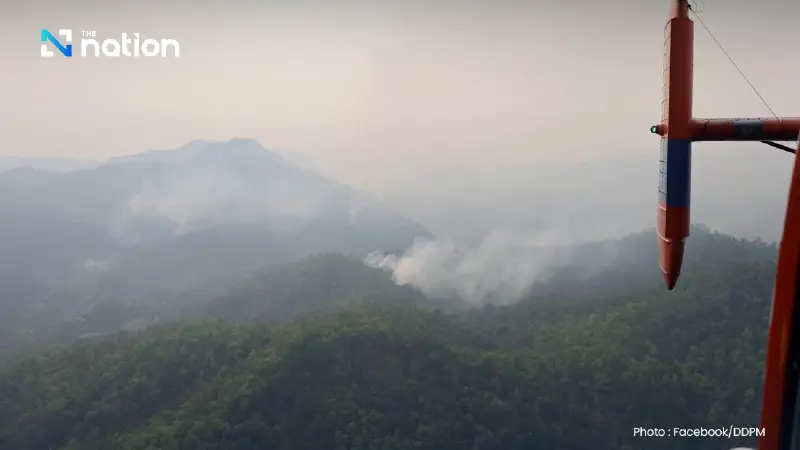


VIIRS data recorded 64,689 hotspots from April 1-16, with fires concentrated in forest zones as heat, haze and land clearing intensified across the North.
Northern Thailand’s wildfire crisis intensified sharply in early April, with VIIRS satellite data showing 64,689 hotspots across Thailand between April 1 and 16 — a new high for 2026. The daily tally peaked at 5,384 in mid-April, with most hotspots concentrated in conservation forest areas and national reserved forests.
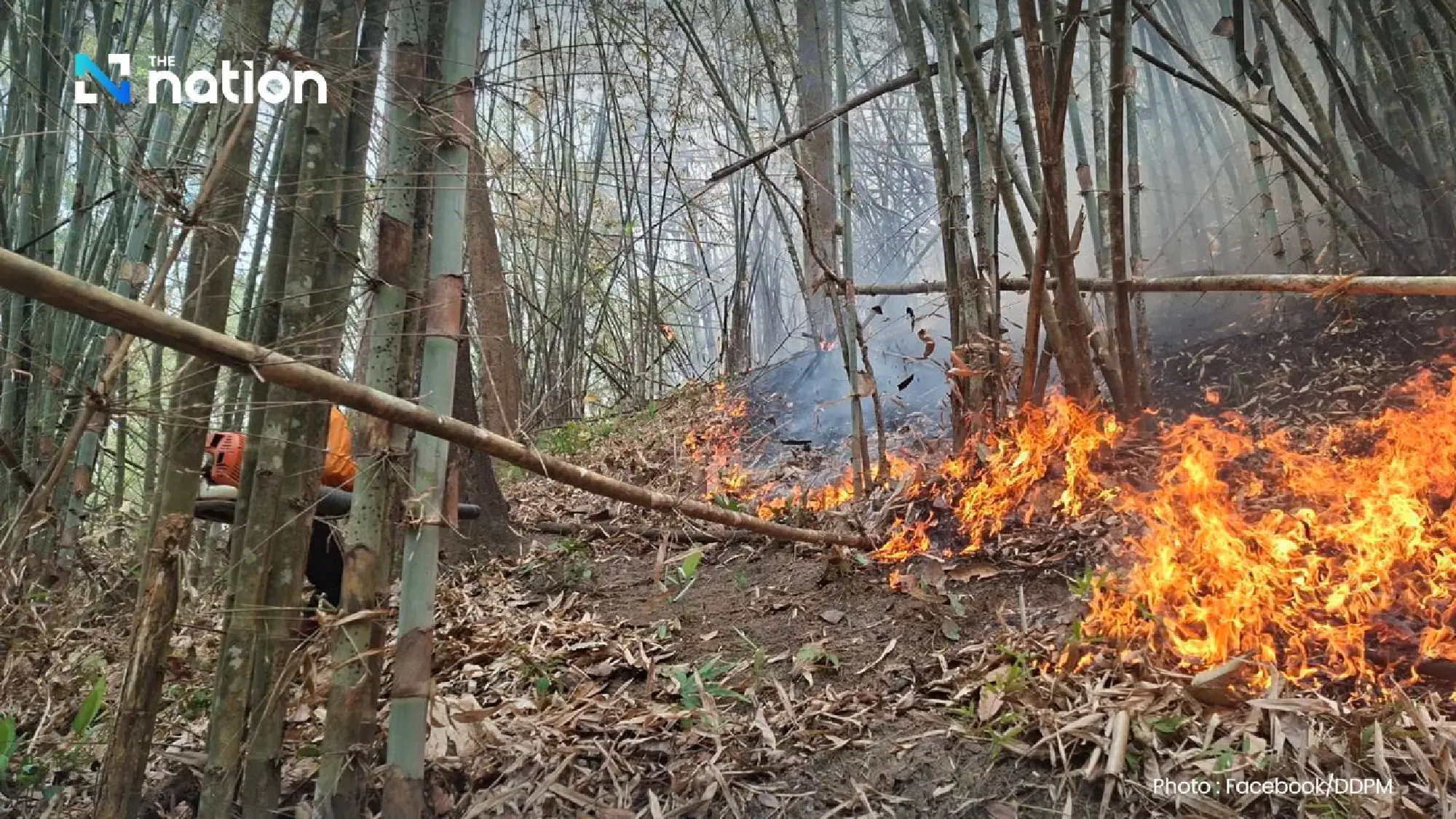
The surge came after the official burn-ban period ended at the close of March, sharpening concern over farming zones bordering forest land. Early to mid-April is a sensitive period, as some growers clear land ahead of the new planting season before the monsoon arrives in May. GISTDA has also said the 2026 agricultural burning ban ran from February 1 to March 31.

Mountain basins trap smoke
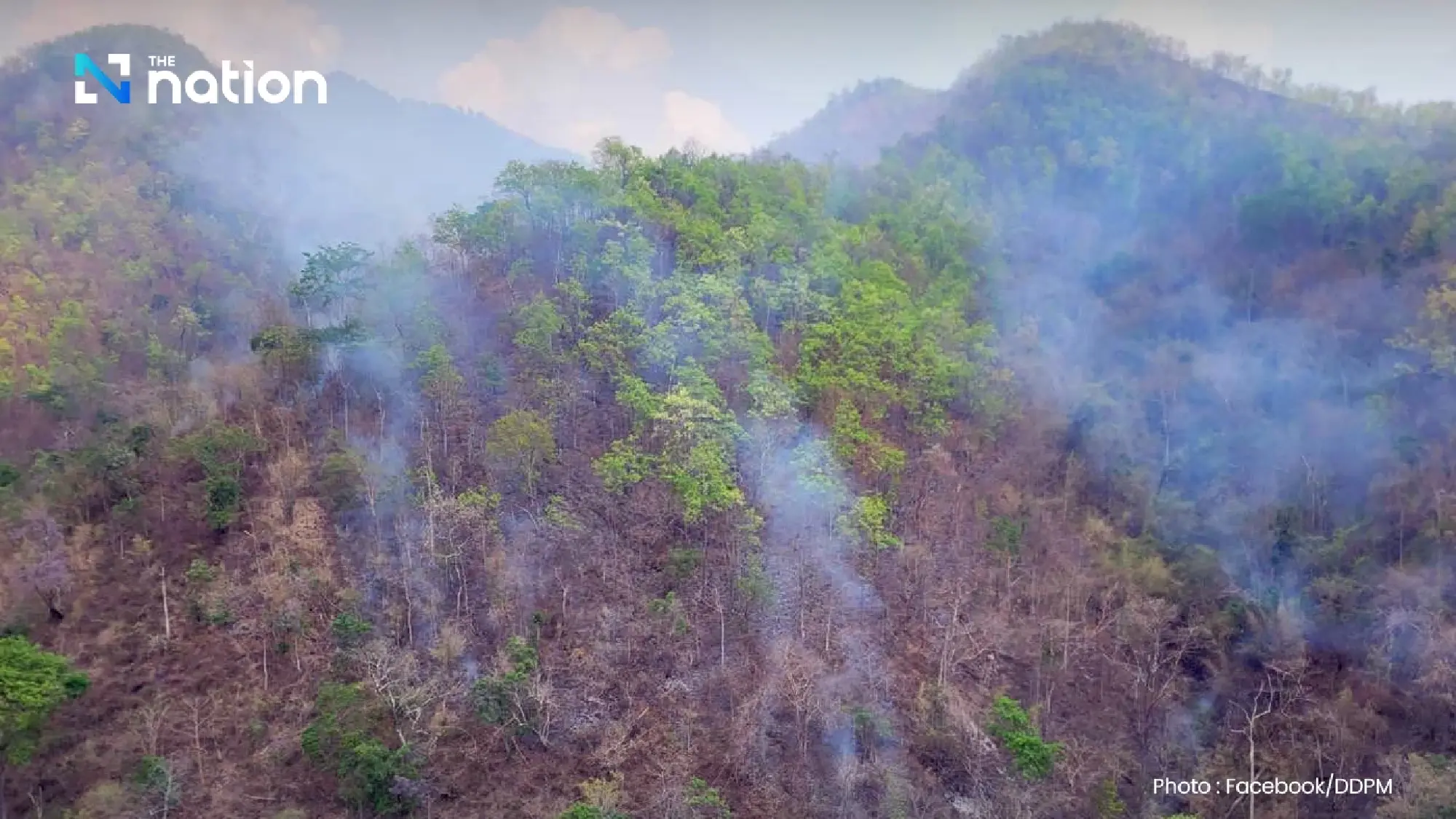
The North’s terrain is compounding the crisis. Much of the region sits in basin-like landscapes ringed by high mountain ranges, allowing smoke and particulates to collect over valley cities. Chiang Mai University has described the upper North as a basin that traps pollution, while air-quality monitoring showed Chiang Mai among the world’s most polluted cities in mid-April.
Weather conditions are adding to the pressure. The Thai Meteorological Department forecast hot to very hot conditions with haze across the North on several days in mid-April, with temperatures of 36C to 42C. Such conditions make fires easier to spread and harder for pollution to disperse.

Health, tourism and farming feel the strain
The damage is now spreading well beyond burnt land. The crisis is weighing on public health, schooling, household costs and tourism, especially in Chiang Mai, where poor air quality has already hurt bookings and shaken business confidence. Recent reporting has also highlighted severe haze, weak ventilation and mounting disruption during the Songkran period.
Agriculture is also under growing strain. Smoke and fine dust can clog plant pores, while prolonged heat above 40C increases crop stress, reducing photosynthesis, yield and quality. At the same time, heavier reliance on air conditioners and air purifiers during the haze season risks pushing up energy use and emissions.
More than a seasonal problem
The wildfire crisis can no longer be treated as a seasonal nuisance. The response needs to go beyond yearly burning bans to include better fuel management, wider access to agricultural machinery, tougher law enforcement and stronger cross-border cooperation on transboundary haze. GISTDA continues to track hotspots and burn scars via satellite, while the government has recently stepped up wildfire response using satellite-led field operations.
