
A touch of Japan rolls into the Ayutthaya commute
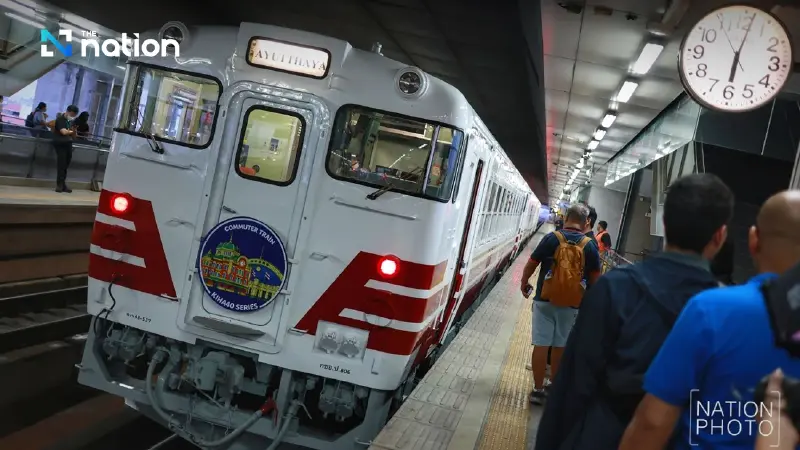


The KIHA 40 and KIHA 48 are giving the Don Mueang–Ayutthaya line a fresh identity, pairing low fares and commuter convenience with the charm of revived Japanese
A weekday journey with a different mood
Some train rides are simply about getting there. Others make the journey feel like part of the destination. That is the mood now taking shape between Bangkok and Phra Nakhon Si Ayutthaya, where the KIHA 40 and KIHA 48 diesel railcars have begun a six-month trial on the Don Mueang–Ayutthaya–Don Mueang route. Running from April 20 to October 31, 2026, the weekday service offers six return trips a day, stopping at eight stations and one halt, with fares ranging from just THB30 to THB50.
From Don Mueang and Rangsit to Chiang Rak, Thammasat University Halt, Chiang Rak Noi, Khlong Phutsa, Bang Pa-in, Ban Pho and Ayutthaya, the route has been designed for people who move through this corridor every day. But what makes it stand out is that it does not feel like a purely functional commuter line. It feels gentler, more characterful, and slightly more special than the average weekday run.

Built for commuters, open to explorers
Officially, the service is positioned as a feeder connection, linking passengers with the Red Line and Don Mueang Airport while helping to cut travel costs. That makes it a practical option for students, office workers and industrial estate employees who need a reliable cross-province journey at a manageable price. Yet it also opens up a more relaxed way to head north from Bangkok, whether for a regular commute or a casual day trip to Ayutthaya.
That is where the KIHA service begins to feel like more than transport. For university students around Thammasat, or workers travelling towards Bang Pa-in, convenience is the obvious draw. For everyone else, there is something appealing about a train that can still turn an ordinary ride into an experience with atmosphere.

A Japanese classic rebuilt for Thai weather
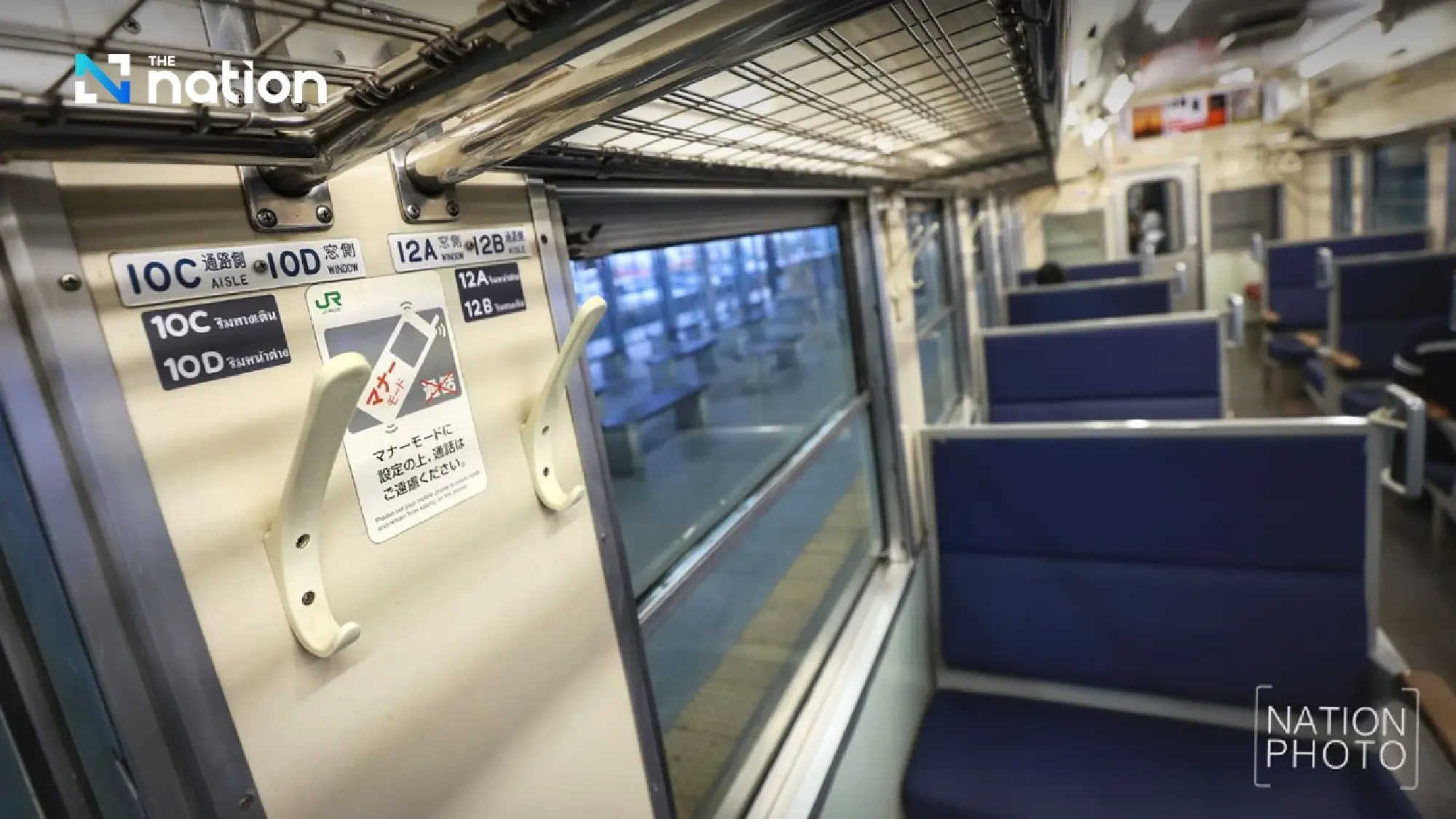
Part of that atmosphere comes from the trains themselves. The KIHA 40 and KIHA 48 units are former JR East railcars from Japan, part of a wider batch of 20 transferred to Thailand for refurbishment and reuse. Rather than leaving them as relics, Thailand has adapted them for a new life on local tracks.
That process has been far more than cosmetic. The trains have been rebuilt with upgraded air-conditioning and engineering systems, and the broader conversion work has focused on making them suitable for Thailand’s climate and metre-gauge network. Six units have already been fully refurbished with updated engines, electrical systems, air conditioning and passenger amenities, underscoring how seriously the project has been treated.

Where nostalgia meets everyday travel
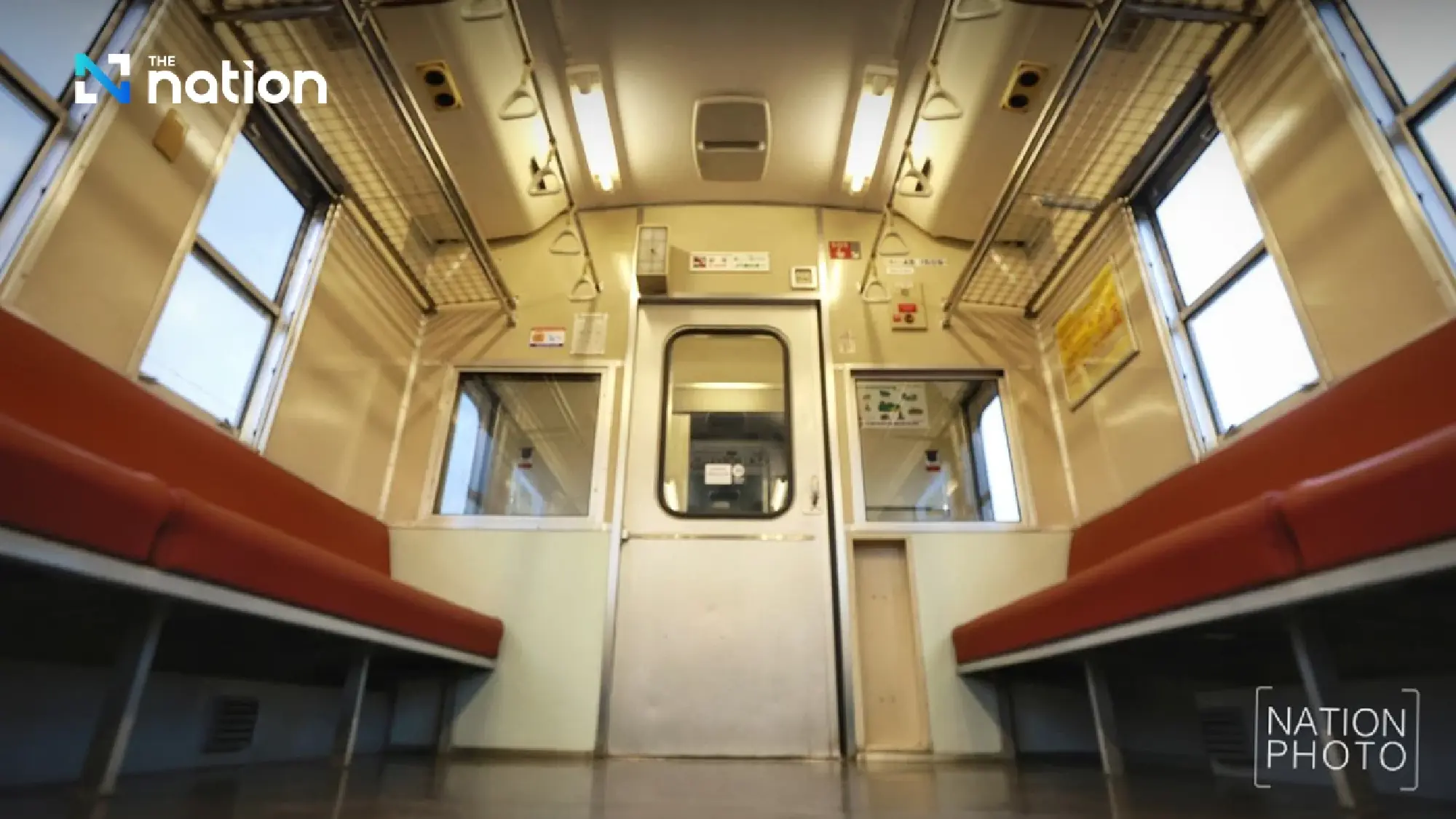
What emerges is a rare balance between old and new. The KIHA trains carry the appeal of classic Japanese rolling stock, yet they have been reworked to serve present-day passengers in Thailand. That gives the line an identity that feels both nostalgic and contemporary at once — not a heritage ride, not a novelty, but a practical service with real personality.
For Ayutthaya, that matters. The city has always been one of the easiest and most rewarding escapes from Bangkok, but now the rail journey itself has gained a stronger sense of charm. With affordable fares, air-conditioned comfort and a train set that already has a story behind it, the route offers more than a commute. It offers a small shift in how everyday travel can feel.

More than extra carriages
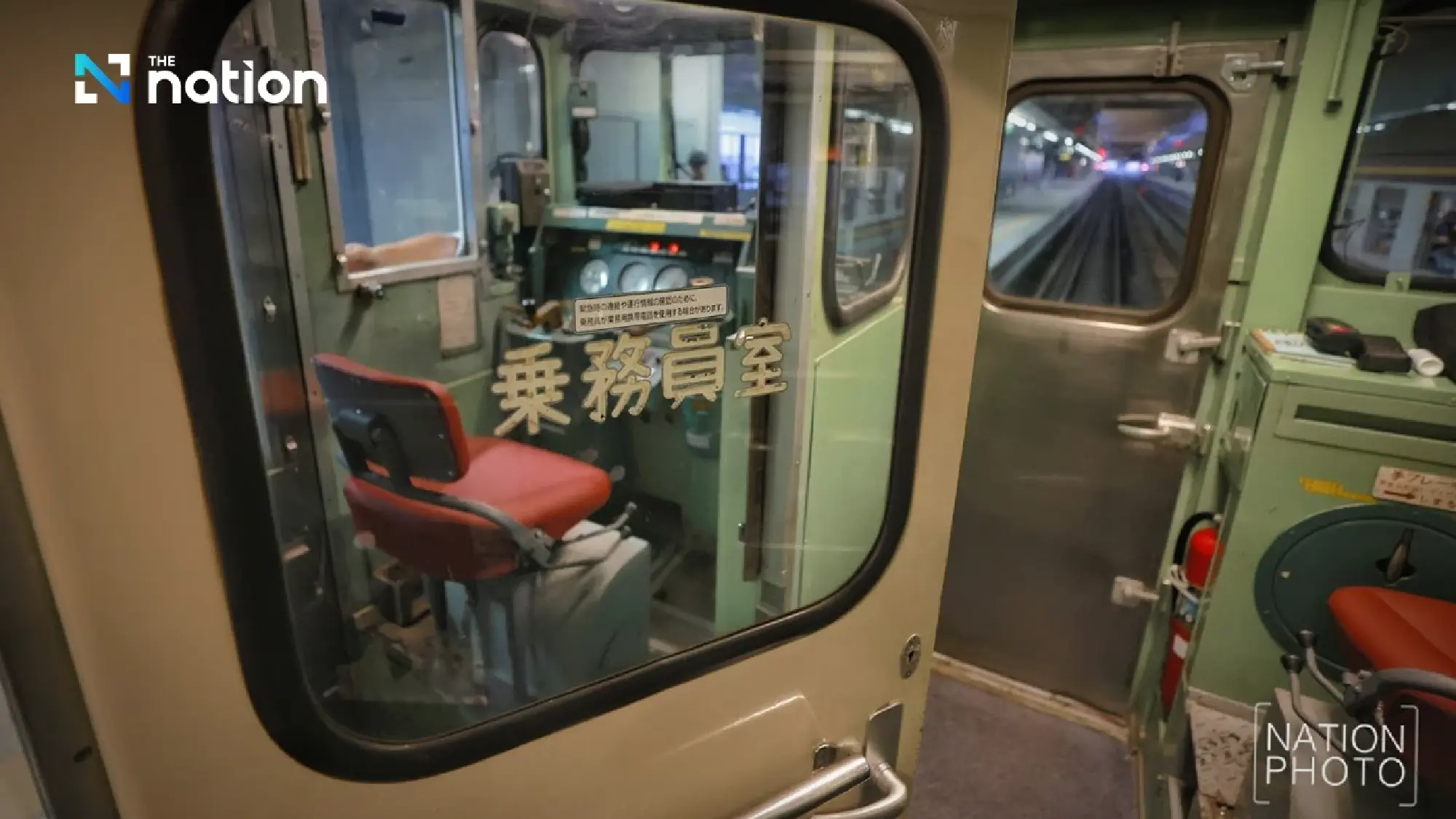
In the end, the arrival of the KIHA 40 and KIHA 48 is not only about adding rolling stock. It is about giving a familiar journey a fresh rhythm. Between Bangkok and Ayutthaya, the morning and evening ride now comes with a little more warmth, a little more style and a little more reason to look out of the window rather than simply count the stops.
