
Lumphini Park centenary to honour His Majesty
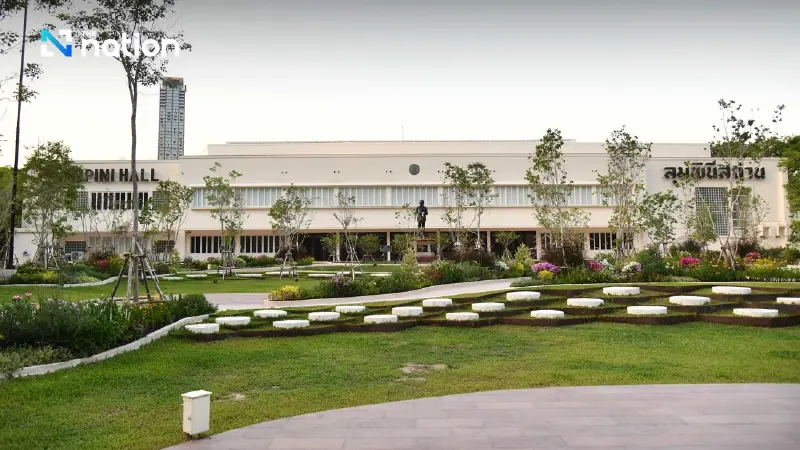


Bangkok will hold a six-day celebration for the 100th anniversary of Lumphini Park from April 25-30, with royal tribute events, performances and public activities.
Bangkok is set to stage the “100 Years of Lumphini Park” celebration from April 25-30 at Lumphini Park, marking the centenary of Thailand’s first public park. The event is being held to honour the royal benevolence of King Vajiravudh, Rama VI, who gave rise to Lumphini Park under his royal initiative in 1919, leaving what organisers describe as a living royal legacy that continues to serve the public today.
Royal tribute to open centenary celebration
The event is being organised by the government, through the Office of the Permanent Secretary of the Prime Minister’s Office, together with the Bangkok Metropolitan Administration, as part of commemorative activities marking the 100th anniversary of the death of King Vajiravudh and the 100th anniversary of Lumphini Park.
On April 25 at 6pm, Their Majesties the King and Queen are scheduled to attend the royal tribute activities at the park. Bangkok has invited members of the public to gather and welcome Their Majesties at the event.

Historic park to host arts, culture and public activities
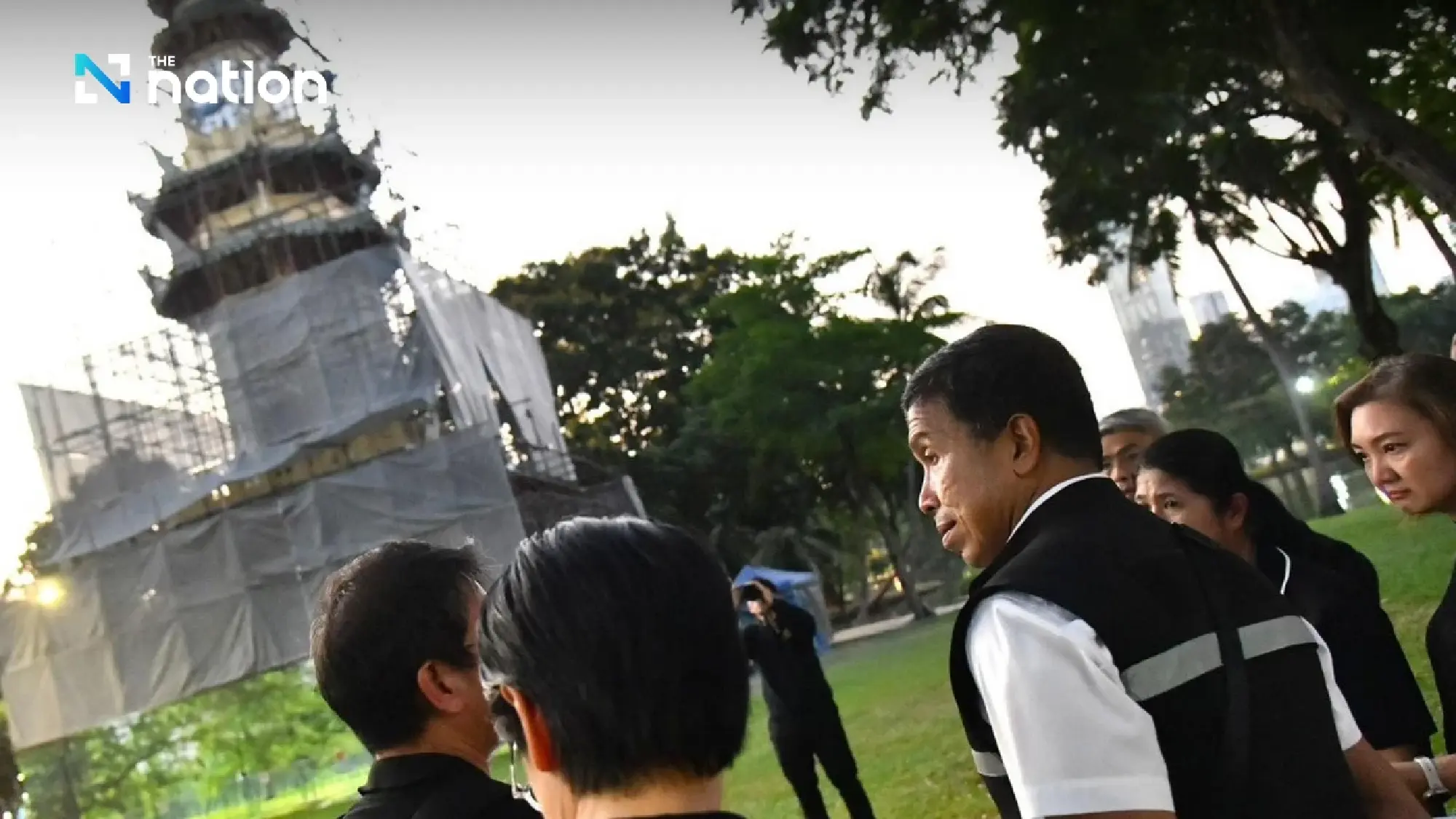
Organisers say the celebration is designed to connect Lumphini Park’s historical significance with a contemporary public programme. Activities will include a contemporary dance performance inspired by the royal literary work Matthanaphatha, a commemorative light installation telling the story of the park, an exhibition in honour of King Vajiravudh, and a multimedia mapping show on the park’s clock tower, one of its best-known landmarks.

The programme will also feature activities aimed at wider public participation, including live music, social dancing, tai chi, yoga, aerobics and cultural learning activities such as khon, reflecting Lumphini Park’s long-standing role as a public space for people of all ages.

Music, food and multimedia shows to run across venue
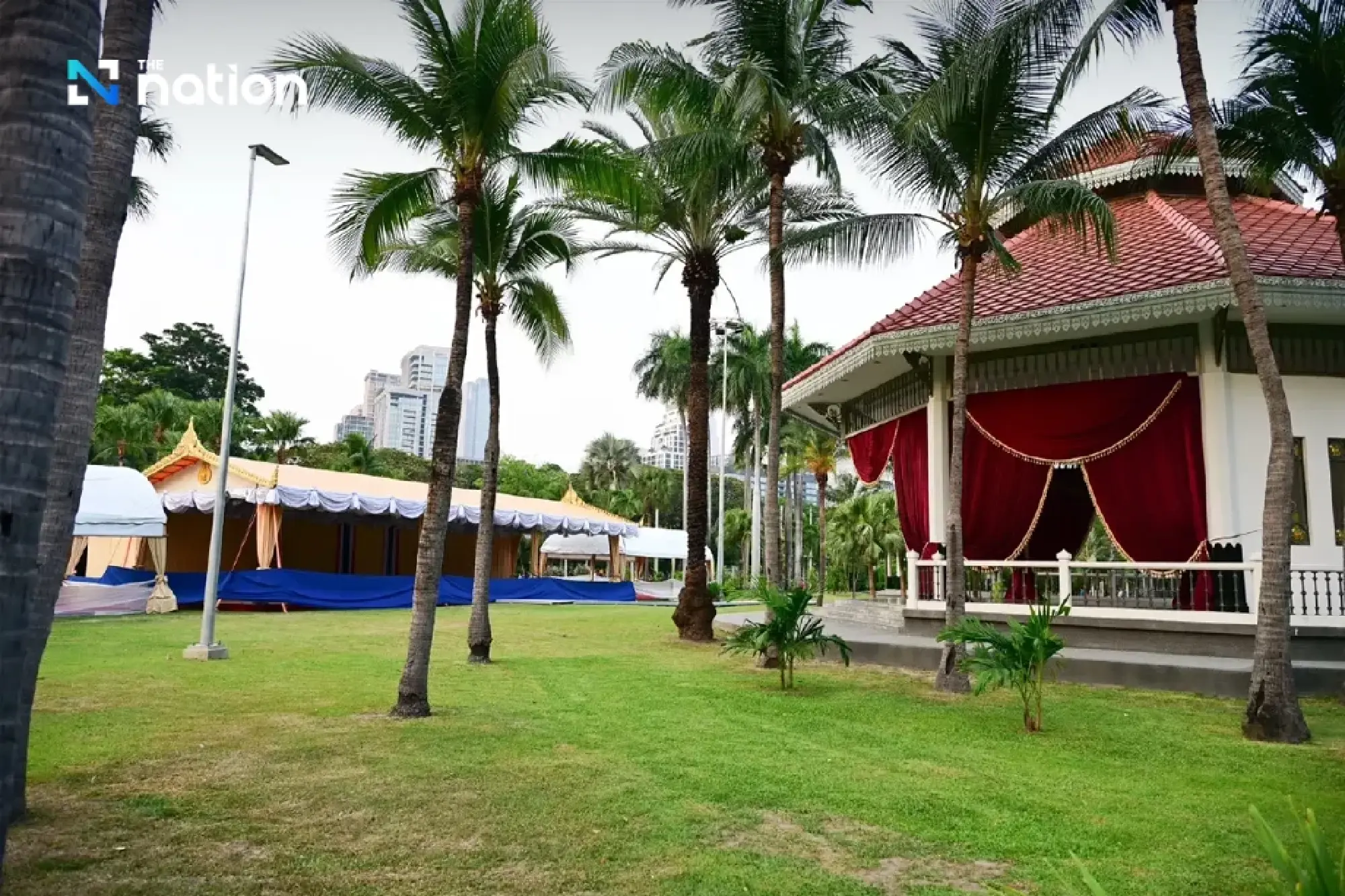
From April 26-30, the celebration will continue with tribute music performances at three main points in the park, alongside stalls showcasing “Good Things from All 50 Districts”, a musical fountain and further multimedia mapping presentations with narration at the clock tower.

City officials said the event aims not only to honour the late king’s royal vision, but also to carry its historical, civic and cultural value into the future through a public space accessible to all.

