
Dhanin urges water push to unlock Thailand’s farm economy
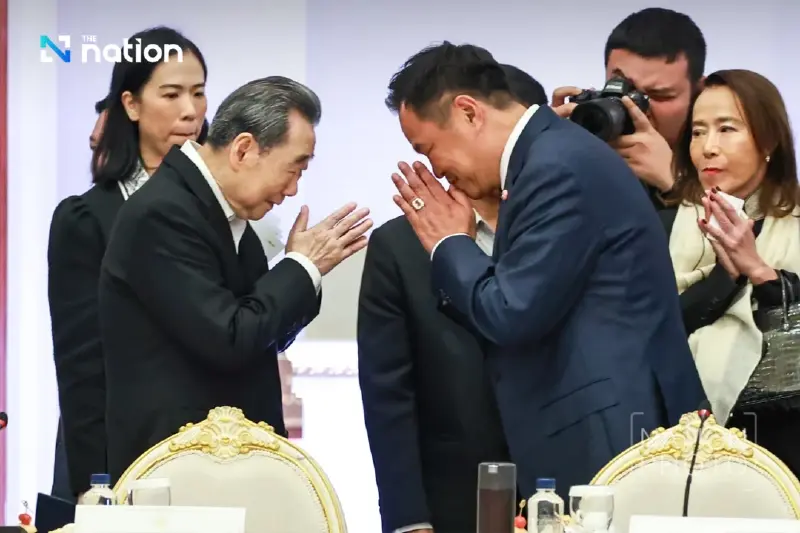


CP senior chairman Dhanin Chearavanont says better water management could transform Thai farming, boost incomes and food security
Dhanin Chearavanont, senior chairman of Charoen Pokphand Group, has urged the government to put water management at the centre of Thailand’s economic transformation, saying the country’s agriculture and food sectors remain a vast opportunity despite global crises.

Speaking at “The Listening Forum: Voices to the PM – Entrepreneurs Speak, Government Listens” at Government House, Dhanin said Thailand still had “enormous opportunity”, especially in agriculture and food, which he described as “oil above the ground”, a resource that can be created repeatedly and without limit.
He proposed that the government accelerate investment in irrigation systems, water management and modern agriculture to raise farmers’ incomes, revitalise the grassroots economy and strengthen Thailand’s long-term food security.
Dhanin said Thailand had major strengths in climate, sunlight and cultivation potential, but the biggest problem facing Thai agriculture was water.
He said that if the government invested in irrigation, built reservoirs and distributed water to farming areas across the country, the same way that electricity and roads were once extended to every village, Thailand could dramatically improve farm output and farmers’ incomes.
Based on direct experience, he said farmers with access to water could grow crops up to three times a year. With better management efficiency, output per rai could increase by as much as fivefold.
“Oil above the ground is more important than oil underground, because everyone needs food. Farmers are benefactors who feed the whole country, but today they are still poor. We must help solve this problem,” Dhanin said.
He also proposed the concept of “agro-industrial estates”, linking agriculture, industry and commerce within the same area. The model would allow production, processing, transport and markets to operate as one connected system, helping reduce logistics costs and create higher-value agricultural products through AI, technology and future-food innovation.
Dhanin said Thai industry still had significant opportunities, but businesses needed to move quickly towards modern production systems using AI, automated machinery and intelligent logistics to improve competitiveness in a rapidly changing world.
He also urged Thailand to build on its agricultural strengths by developing higher-value products, including processed food, future food and products driven by intensive research and development.
“The winners of the future will be those who adapt quickly, and logistics will be at the heart of competition. If AI is used well in management, existing businesses will become more efficient, and many new businesses will follow,” Dhanin said.


