
Thai police rescue Chinese student after scammers stage ‘virtual kidnapping’ for HK$3m ransom
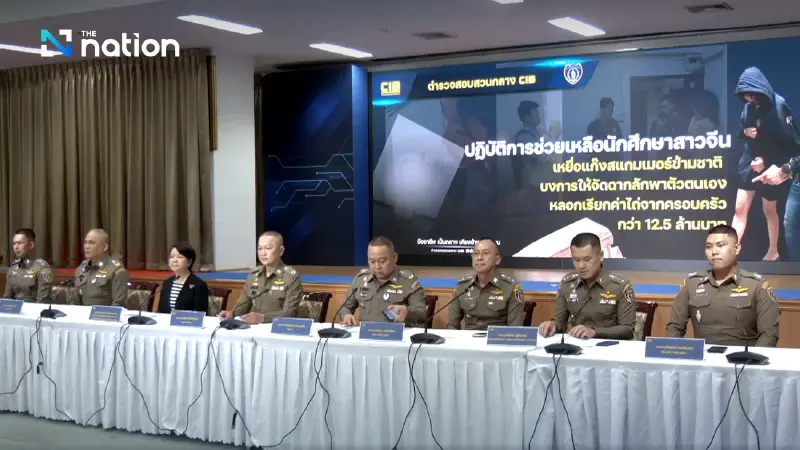


Royal Thai Police say a 21-year-old Chinese student was safely rescued after a transnational scam gang allegedly controlled her remotely, made her stage her own abduction in Thailand and demanded HK$3 million from her family in Hong Kong.
Thai police have rescued a 21-year-old Chinese student after a transnational scam syndicate allegedly used a “virtual kidnapping” scheme to control her remotely, make her stage her own abduction in Thailand and extort ransom money from her family in Hong Kong.
The Royal Thai Police announced the operation on Wednesday (June 3) at national police headquarters. The press conference was led by Pol Gen Tatchai Pitaneelaboot, Deputy National Police Chief and director of the Royal Thai Police Anti-Trafficking in Persons Centre, together with Pol Lt Gen Natthasak Chaowanasai, Commissioner of the Central Investigation Bureau, and Pol Maj Gen Montri Thetkhan, Deputy Commissioner of the Central Investigation Bureau.
Police said the student, identified only as Ms Wang, had been safely rescued after being manipulated by scammers who posed as authorities, threatened her and cut her off from outside contact.
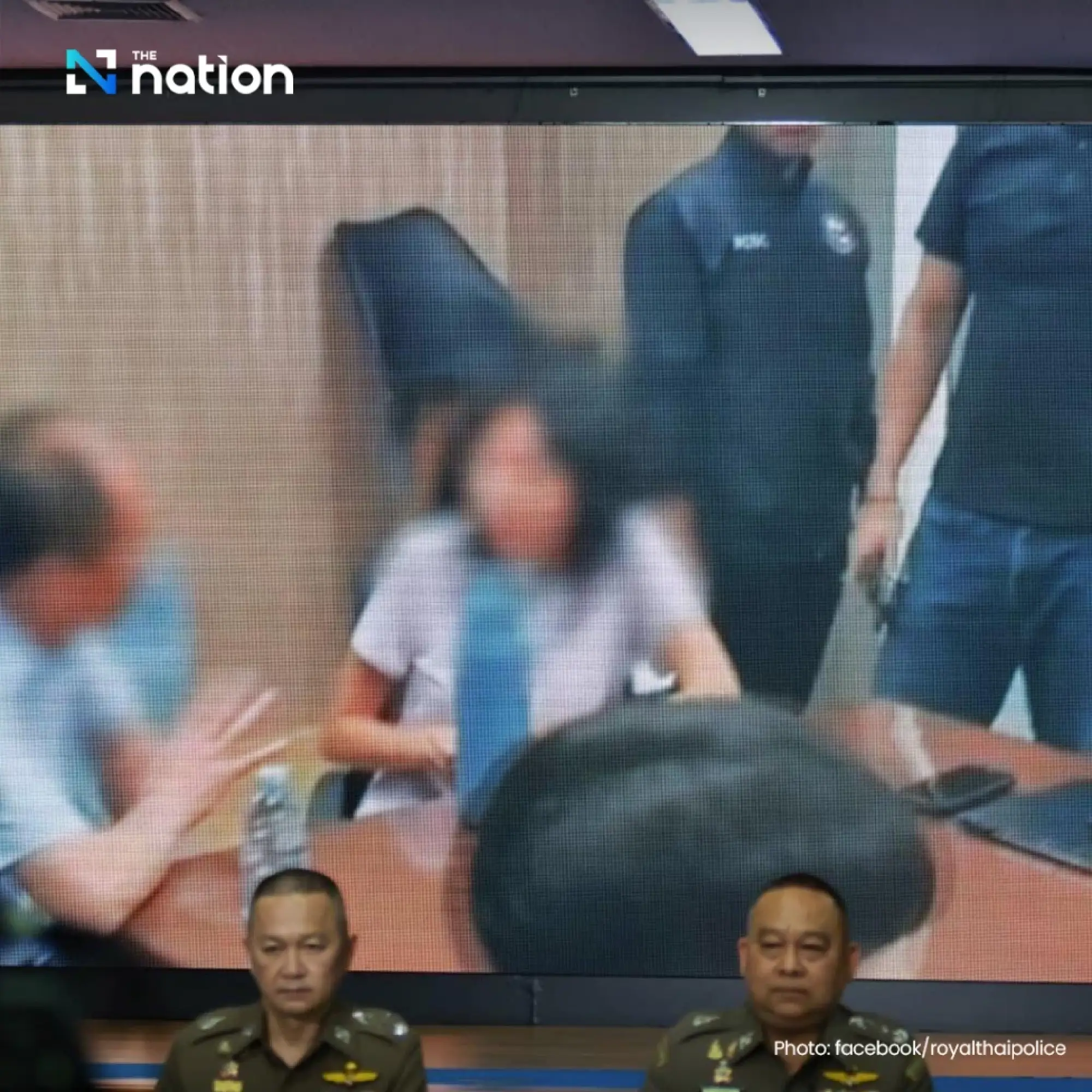

Hong Kong police alerted Thai authorities
The case began after the Hong Kong Police Force contacted Thai police when Ms Wang’s father reported that his daughter had disappeared after travelling to Thailand.
He later received threatening messages via WeChat from an unidentified man demanding HK$3 million, or about 12.5 million baht, in ransom. The scammers also sent images intended to make it appear that Ms Wang had been detained and harmed.
Thai police said the case was handled under National Police Chief Pol Gen Kittirat Phanphet’s urgent policy to crack down on transnational criminal gangs and strengthen confidence among tourists.
Scam began with fake overseas-study claim
Investigators from Sub-Division 1 of the Anti-Trafficking in Persons Division found that the alleged scam had unfolded in two stages.

In the first stage, between May 19 and 20, scammers allegedly tricked Ms Wang into asking her father for money, claiming it was needed as financial proof for overseas study.
Her father transferred HK$1.4 million, or about 5.8 million baht, into her Bank of China account. Police said the money was then transferred out and dispersed through mule accounts linked to the call-centre gang.
Victim allegedly ordered to fly to Thailand alone
In the second stage, on May 31, the scammers allegedly used psychological pressure to convince Ms Wang that she was linked to a serious criminal case.
They then ordered her to leave Hong Kong alone on Hong Kong Airlines flight HX767, which arrived in Thailand at 2.36am on June 1.
After her arrival, she was instructed to stay at a hotel in Bangkok’s Lat Krabang district.
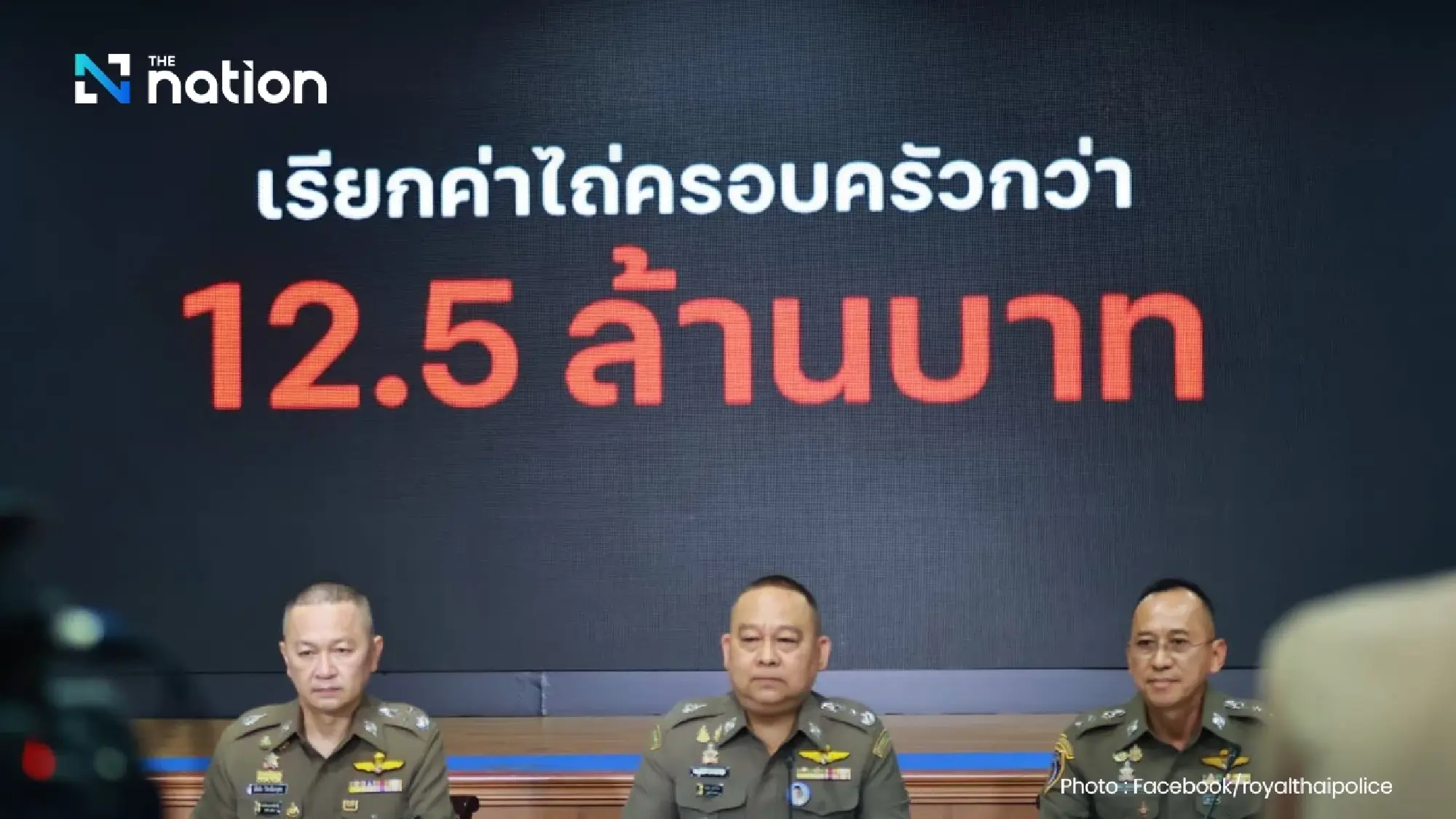

CCTV raised doubts over kidnapping claim
When Thai investigators checked CCTV footage and witnesses at the Lat Krabang hotel, they found a key inconsistency: Ms Wang appeared to be staying alone, and no outsiders were seen entering or leaving her room.
Police later found that she had been instructed to obtain items used as props to stage images and video clips suggesting that she had been abducted. The material was allegedly sent to pressure her father into paying more ransom money.
Police trace student to Samut Prakan hotel
The scammers later ordered Ms Wang to move to another hotel in Bang Phli district, Samut Prakan. Police said the gang also sent her an image of a fake passport to use for online check-in in an attempt to mislead authorities.
Thai police were able to trace her location and moved in to rescue her safely. She was taken for questioning and given support after the ordeal.
Police warn of new transnational scam threat
Pol Gen Tatchai said the case reflected a new type of global threat in which criminals do not physically abduct victims, but instead use fear, impersonation and isolation to make victims follow their instructions.
He said such tactics could cause families to believe their loved ones had been kidnapped and agree to pay ransom money.
Police also warned that if such cases are not stopped in time, victims may be deceived into travelling onward to neighbouring countries and could face the risk of falling into real human-trafficking situations.
RTP to work with Hong Kong and international agencies
The Royal Thai Police said it would coordinate closely with Hong Kong police and international law-enforcement agencies to expand the investigation and dismantle the call-centre syndicate behind the case.
Police urged the public not to believe threats demanding money transfers or instructions to travel alone. Anyone with information can contact the Anti-Trafficking in Persons Centre hotline at 1599, available 24 hours a day.
