Thailand and Kazakhstan agree 2027–2028 cooperation roadmap to expand trade, tourism, connectivity and medical tourism, targeting stronger regional ties
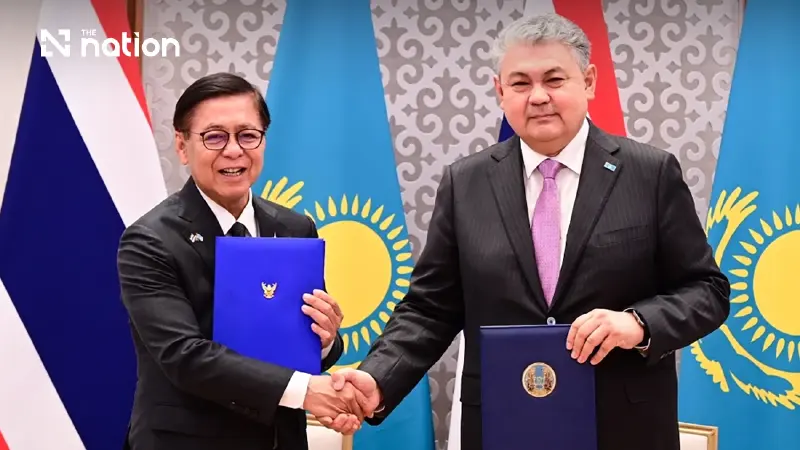
Thailand and Kazakhstan have signed a formal Action Plan for 2027–2028, creating a roadmap to enhance practical cooperation, with a key focus on tourism.
The plan aims to increase the number of Kazakh tourists visiting Thailand, currently near 200,000 annually, by improving air connectivity and adding more flight routes.
Both nations identified medical tourism as a specific area for collaboration, leveraging Thailand's strong healthcare system to attract visitors.
High-level talks in Kazakhstan
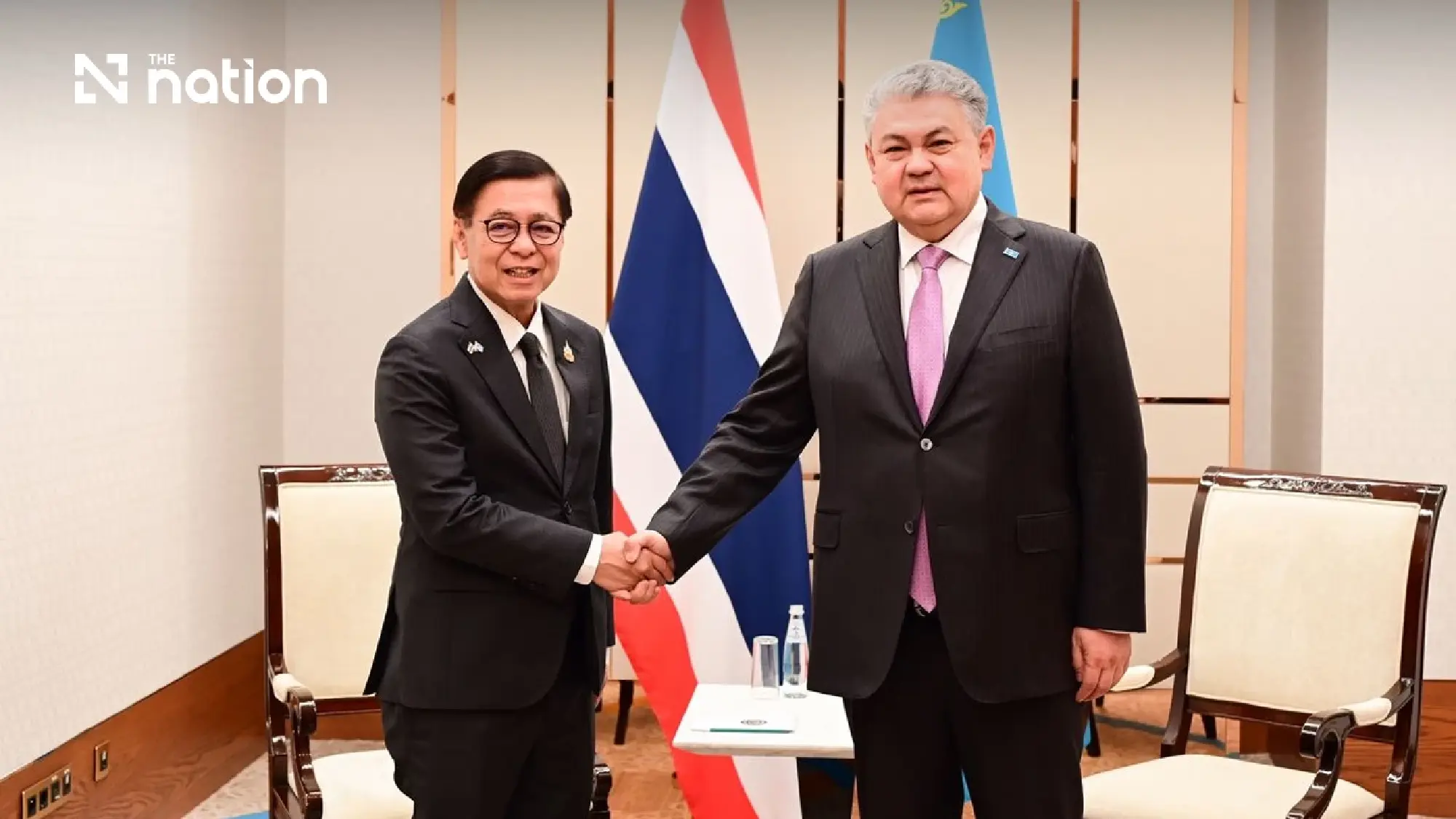
Thailand’s Deputy Prime Minister and Foreign Minister Sihasak Phuangketkeow held talks with Kazakhstan’s Foreign Minister Yerzhan Kosherbayev in Kazakhstan on 25 June 2026 local time, following an official invitation aimed at strengthening bilateral relations.
The meeting focused on expanding cooperation between Thailand and the Republic of Kazakhstan across multiple strategic sectors.
Following the discussions, both ministers signed an Action Plan covering 2027 and 2028, establishing a formal roadmap for practical cooperation in key areas.
The agreement is intended to serve as a framework for long-term collaboration between the two countries.
Expanding regional and multilateral cooperation
Sihasak highlighted the importance of both countries’ roles in regional and global platforms, particularly in Central Asia and multilateral frameworks.
These include the Conference on Interaction and Confidence Building Measures in Asia (CICA), BRICS, and the Asia Cooperation Dialogue (ACD).
He also noted Thailand’s upcoming ASEAN chairmanship in 2028, expressing interest in deeper engagement with Kazakhstan as an ASEAN partner, as well as Thailand’s interest in participation in formats such as C5+1, potentially expanding to broader regional groupings.
Both sides set an ambitious target to increase bilateral trade to US$1 billion within the next five years, building on current growth of around 11%.
Thailand also highlighted its intention to use Kazakhstan as a gateway to Central Asia, including engagement with the Eurasian Economic Union (EAEU), with Kazakhstan’s support.
Tourism and connectivity push
Kazakhstan is currently one of Thailand’s growing tourism markets, with nearly 200,000 Kazakh tourists visiting Thailand.
Both countries agreed on the need to increase this number further through improved air connectivity, additional flight routes and stronger logistics links.
Energy, food security and medical tourism cooperation
Discussions also covered strategic cooperation in food security, with Thailand offering potential support in agricultural resilience, while Kazakhstan could play a role in strengthening Thailand’s energy security.
Both sides also identified hospitality and medical tourism as key areas for collaboration, leveraging Thailand’s strengths in healthcare services and Kazakhstan’s regional positioning.
Kazakhstan highlights gateway role
Mr Kosherbayev stated that Thailand serves as a key gateway to ASEAN markets, while Kazakhstan can similarly provide Thailand with access to Central Asia and the wider Eurasian Economic Union.
He also invited Thai investors to participate in Kazakhstan’s export-oriented and competitive industries.
Both sides reaffirmed interest in expanding cooperation in medical tourism, recognising Thailand’s strong healthcare system and its potential for knowledge exchange in the sector.