
Jailed Thai’s name found on homes and firms in Bt633m Chiang Mai nominee probe
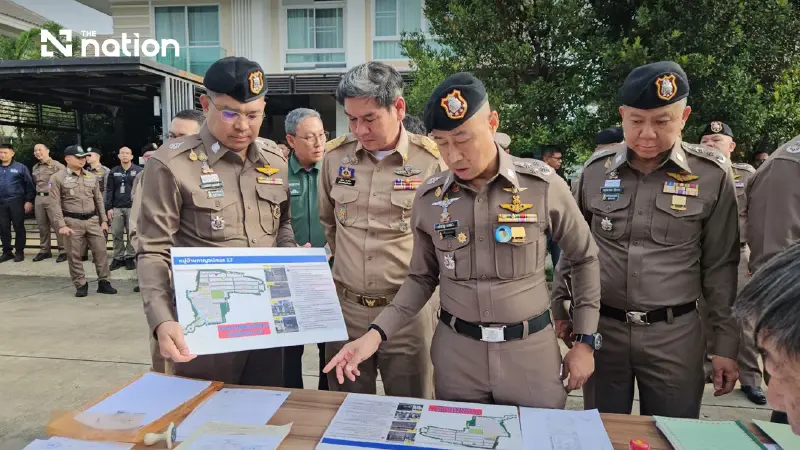


Police are investigating suspected foreign nominee networks linked to 31 Chiang Mai companies and 29 land plots worth about Bt633 million.
A Thai prisoner’s name has surfaced in property and company records linked to a housing estate in Chiang Mai’s Saraphi district, becoming a key focus of a 633-million-baht investigation into suspected foreign nominee networks.
Police said the man’s name appeared in records connected with homes and several companies at the estate, despite his having been held at Chiang Mai Central Prison since November 25, 2021. He is not scheduled for release until February 23, 2037.
Investigators said his name remained on the shareholder registers of seven companies and appeared as an authorised director of another company registered after his imprisonment, raising questions over who was actually controlling the businesses.
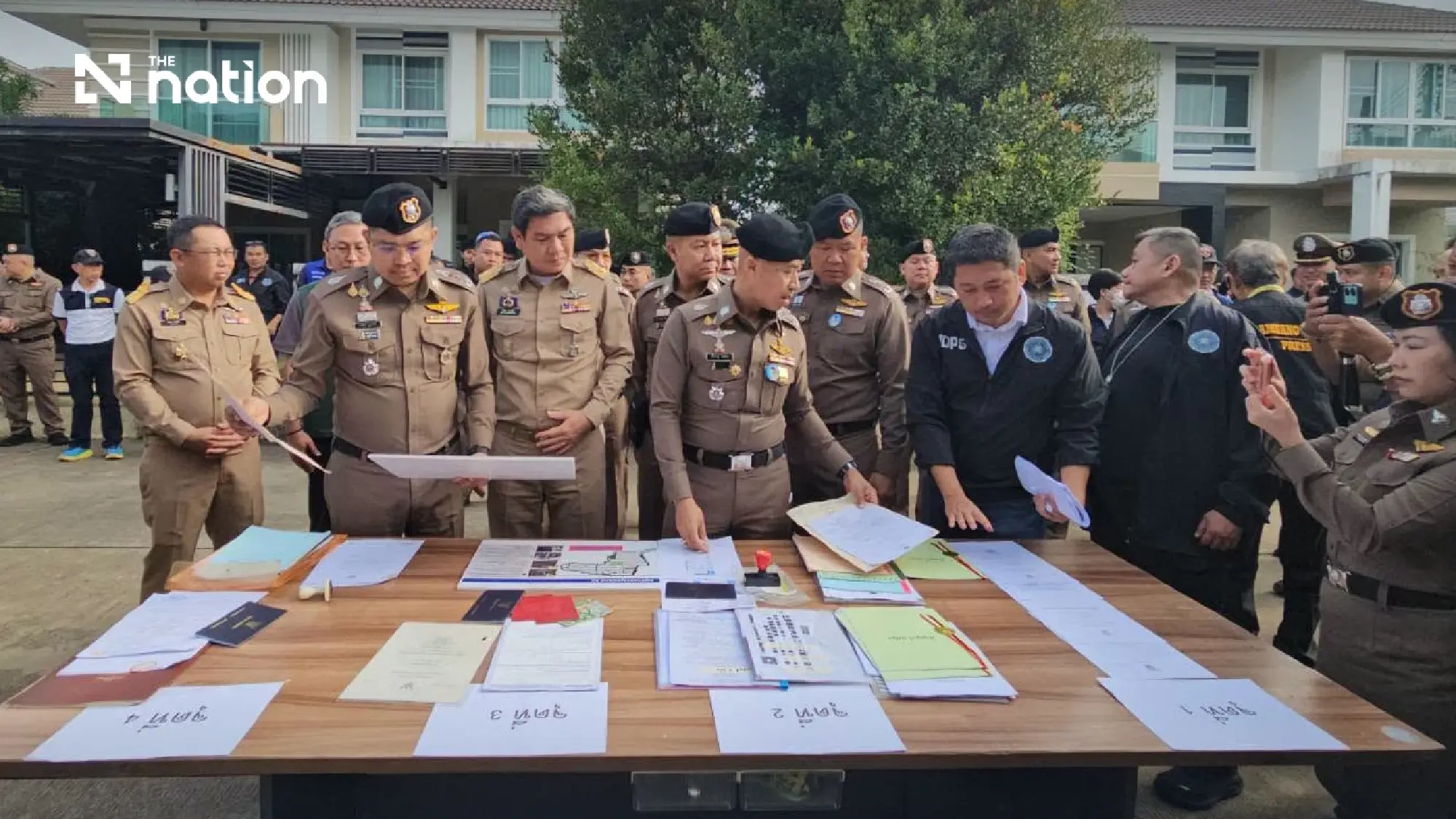

Prisoner says identity documents may have been misused
During questioning, the prisoner told investigators that an acquaintance he met in prison had persuaded him to invest in a business and asked for his original Thai identity card and household registration documents.
The man said he received no financial return and was unaware that he had been named as a shareholder or director of several companies. He believes his personal documents may have been used to register businesses without his knowledge.
The case emerged from an investigation into four companies linked to the housing estate, where police suspect Thai nationals were used as front shareholders on behalf of foreign beneficial owners.

Investigators also questioned a second Thai man whose name appeared in corporate records. He said he had not known he was listed as a shareholder and had never seen the companies’ financial statements or other evidence of his supposed investment.
The man admitted sending photographs of his identity card to a property broker and receiving 7,000 baht on each occasion in return for signing documents at the Land Office and taking part in property transactions.
A Thai woman named as a shareholder in another company also denied knowing the other shareholders and directors.
She told police that she had previously supplied copies of her identity card and household registration to a foreign former employer, who had hired her as a housekeeper. The employer claimed the documents were required to arrange her salary and social security registration.
She later lost contact with the employer after the company ceased operating.
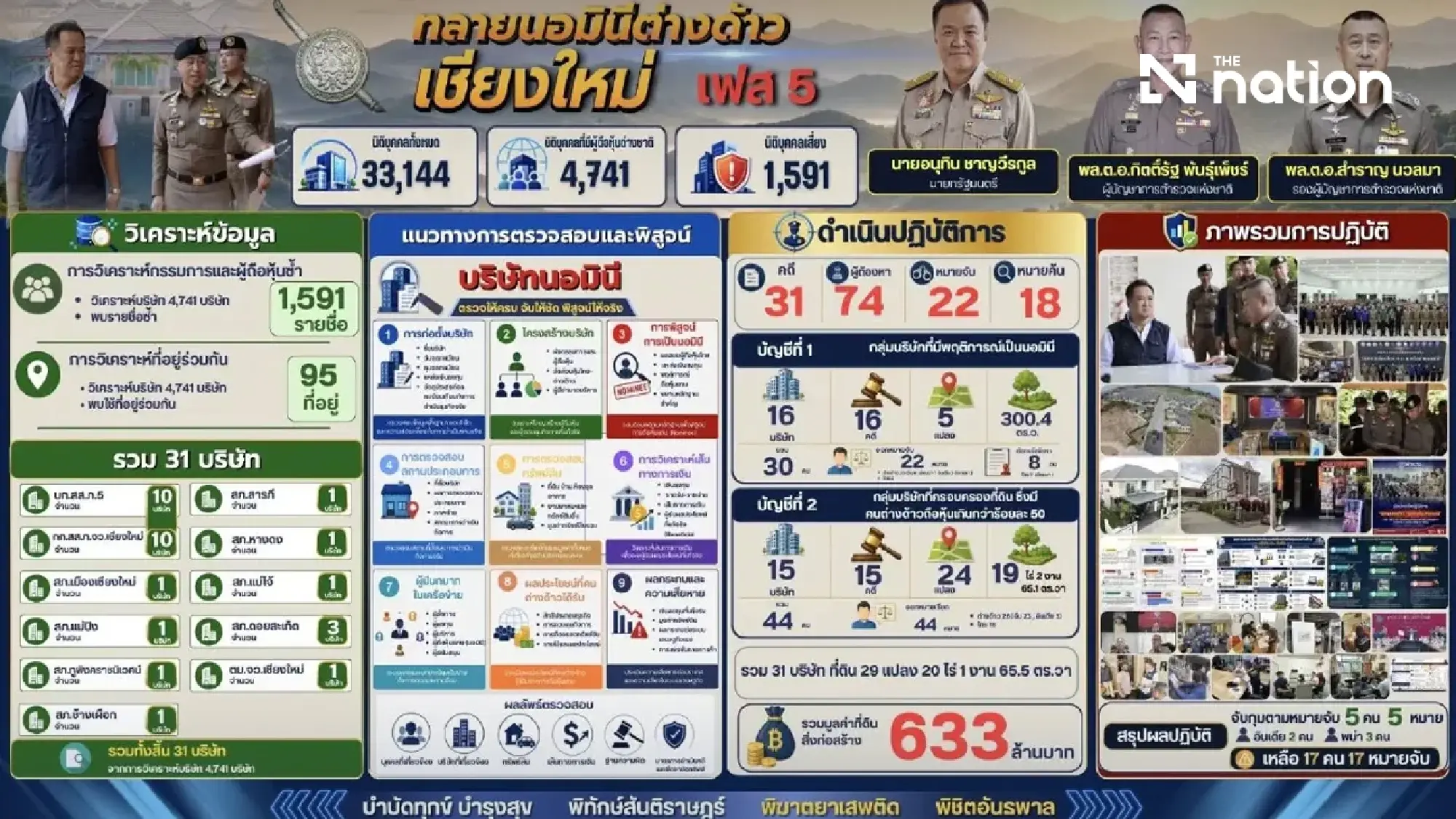

Thirty-one companies and 29 land plots targeted
The Saraphi investigation forms part of Operation “Crackdown on Foreign Nominee Networks: Phase 5”, which involved more than 250 police officers and government officials executing 18 search warrants in Chiang Mai.
The operation was ordered by Pol Gen Samran Nualma, deputy commissioner-general of the Royal Thai Police.
Teams were led by Pol Lt Gen Nopsin Poonsawat, a commissioner attached to the Office of the Commissioner-General; Pol Lt Gen Krittapol Yisakhon, commissioner of Provincial Police Region 5; and Pol Maj Gen Phitak Uthaitham, a deputy commissioner attached to the Office of the Commissioner-General.
Personnel from the Provincial Police Region 5 Investigation Division and Chiang Mai Provincial Police were joined by the Chiang Mai governor and officials from the Department of Business Development and Department of Lands.
Authorities said they had reviewed 33,144 companies registered in Chiang Mai. Of those, 4,741 had foreign shareholders, while 1,591 initially showed signs of possible nominee arrangements.
Further screening narrowed the investigation to 31 companies.
Sixteen are suspected of using Thai nationals as nominee shareholders, while another 15 were flagged for allegedly exceeding statutory foreign ownership limits and holding land titles.
Together, the companies held 29 plots covering more than 20 rai, or approximately 3.2 hectares, with an estimated combined value of 633 million baht.
Warrants issued for Thai and foreign suspects
Arrest warrants were issued for 22 suspects: two Thai nationals and 20 foreigners.
The foreign suspects comprise seven Myanmar nationals, three Indians, one Briton and nine Chinese nationals. Police said efforts to locate suspects and identify others involved in the alleged networks were continuing.
Charges have been brought against shareholders and company directors suspected of involvement. Investigators are also seeking to identify the people who established or supported the arrangements, as well as the businesses’ actual beneficial owners.
Police said the investigation would be expanded to determine whether the companies were established to conceal foreign control, circumvent business restrictions or acquire land through Thai nominee shareholders.
Crackdown expands across tourist provinces
The operation is part of a broader campaign based on the “Koh Phangan Model”, an enforcement approach developed from investigations into suspected foreign nominee businesses on the Surat Thani tourist island.
Authorities are extending the campaign across major tourism and investment destinations, including Chiang Mai, Phuket, Krabi, Phang Nga, Chonburi and Surat Thani.
Officials said the crackdown was aimed at businesses using Thai nominees to evade foreign ownership restrictions, rather than foreign investors operating legally in Thailand.
Foreign nationals may apply for authorisation to conduct restricted activities under the Foreign Business Act of 1999, which sets out the conditions and procedures governing foreign participation in designated sectors.
Police said lawful foreign investment remained welcome, but warned that nominee arrangements undermined fair competition and could expose the people whose identities were used to criminal and financial liability.
