
Bangkok flooding may last until Sept 27 after 100–150mm daily rain
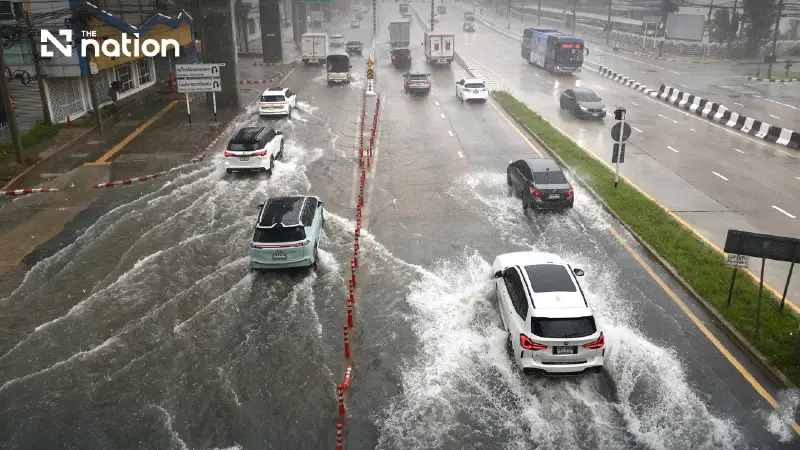


Water expert Chawalit Chantararat warns Bangkok flooding could persist until September 27 as daily rainfall of 100–150mm strains drainage systems
- Flooding in Bangkok is expected to last until September 27, caused by heavy daily rainfall of 100–150mm.
- The intense rainfall is overwhelming the city's drainage network, causing major canals to fill up and slow the drainage of water from roads.
- The primary cause is the local drainage system's inability to cope with the volume of rainwater, not an overflow of the Chao Phraya River.
- Standing water is expected to be 10–20cm deep on roads and could reach up to 50cm in low-lying areas.
Water expert Chawalit Chantararat has warned that flooding in Bangkok and surrounding provinces could persist until Sunday, September 27, as daily rainfall of 100–150mm puts drainage systems under sustained pressure and pushes major canals towards overflowing.
Chawalit, chief executive of TEAM Consulting Engineering and Management Public Company Limited, known as TEAM GROUP, said prolonged rainfall was exceeding the capacity of Bangkok’s drainage network, including its large drainage tunnels. Water that could not be discharged quickly enough was accumulating in major canals and smaller connecting waterways.

High canal levels slow drainage from Bangkok roads
Chawalit said canals approaching bank level were restricting the flow of rainwater from roads into the drainage network, leaving water standing on streets and in low-lying communities. His assessment identified the following waterways for close monitoring:
- Overflowing: Lat Phrao Canal around Bang Bua
- Close to bank level: Rangsit Prayunsak Canal; canals 2–16; Bang Khen Canal; Prem Prachakorn Canal; Hok Wa Sai Lang Canal; Saen Saep Canal; and Prawet Buri Rom Canal
Chawalit expected the resulting waterlogging in Bangkok and surrounding provinces to continue through September 27. The high canal levels also form the focus of Bangkok’s warning to residents in canal-side and low-lying communities.


Chao Phraya remains below banks at two monitoring locations
The assessment put the Chao Phraya River approximately 40cm below its banks near Nuan Chawee Bridge and the Royal Irrigation Department’s Samsen premises. Those readings were reported despite high tides and releases of 1,700 cubic metres per second from Chao Phraya Dam.
Chawalit attributed the flooding described in his assessment primarily to rainfall that the local drainage system could not clear quickly enough, rather than floodwater arriving from the North or a major river overflowing.
Low-lying areas could face water up to 50cm deep
Chawalit put standing water on roads and in general affected areas at around 10–20cm deep, with water potentially accumulating to 50cm in low-lying depressions.
Chawalit expected this type of flooding to develop more gradually than a flash flood, allowing residents to monitor conditions and prepare to move vehicles and belongings to higher ground. That assessment concerned rainwater accumulating in the affected drainage network.

Slow-flushing toilets may signal drainage back-pressure
Chawalit also advised residents to watch for changes in household drainage. A ground-floor toilet that stops flushing or drains unusually slowly could indicate that rising water in the external drainage system is creating back-pressure, he explained.
Residents noticing such changes should check conditions in nearby drains and canals and prepare for rising water, Chawalit advised.
For those who wish to help our fellow citizens suffering and affected by the floods, you can make a donation through the following accounts:

Nation Foundation

Bank of Ayudhya (Krungsri): Account No. 333-0-01399-6

Kasikorn Bank: Account No. 192-3-59782-0

"We will get through this crisis together."
