
Floods and storms disrupt lives across Asia and the Americas


Floods kill residents in Nepal and India, prompt Chile evacuations and disrupt US flights, while Bangkok steps up drainage and recovery efforts.
- Heavy rains in Nepal and India have caused deadly floods and landslides, resulting in at least 56 fatalities in India and forcing residents to evacuate inundated homes.
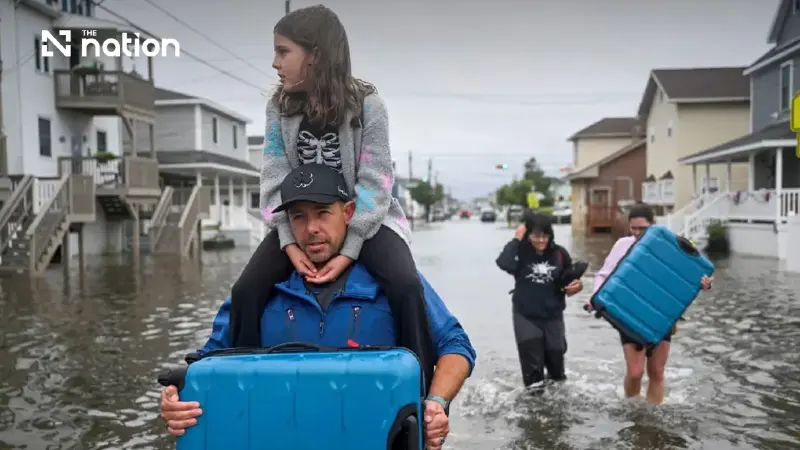
- In the Americas, a storm in Chile triggered floods and power outages, while a nor'easter on the U.S. East Coast caused major flooding, over 400 flight cancellations, and widespread power cuts.
- Bangkok, Thailand, is also battling severe flooding, with authorities actively working to drain water from streets and residential areas by lowering canal levels.
Floods and storms across Asia and the Americas have killed people, damaged homes and disrupted essential services in a series of late-September emergencies. Nepal and India have reported fatalities, while communities in Chile and the eastern United States have faced flooding, power cuts and transport disruption.
Bangkok is also working to drain flooded streets and neighbourhoods, with authorities lowering canal levels while monitoring upstream water and high tides.
Nepal and India face deaths and rising rivers

Heavy rain in Nepal sent major rivers over their banks, inundating temples and homes and forcing residents to take refuge on rooftops. Authorities issued flash-flood warnings covering 49 districts as river levels continued to rise.
Nepal also faced a separate mountain emergency, with ten workers reported missing following an avalanche in a September 27 account. The missing-worker figure concerned the avalanche rather than the river flooding.
The latest flooding added to Nepal’s recovery burden after a glacier collapse near the Tibetan border in late August triggered mudslides and flooding that killed more than 1,450 people. The August disaster was separate from the subsequent rain-related emergencies.

In India, persistent heavy rain triggered flooding and landslides, with 56 deaths reported by September 27. Authorities were carrying out rescue operations and distributing relief supplies to affected communities.
Floodwaters flowing from Nepal compounded the situation in Bihar’s river basins. The Gandak River overflowed, submerging homes and roads and adding to the need for evacuations and emergency assistance.
Chile floods isolate residents and damage homes

A powerful storm system and weather front brought heavy rain to central and southern Chile, triggering floods and landslides as rivers overflowed. Authorities issued red alerts in parts of the Biobío Region and ordered riverside communities in the Araucanía Region to evacuate.
A September 24 disaster update recorded at least 16 people stranded and dozens of homes damaged. Thousands of people were also reported to have lost electricity as the severe weather disrupted communities across the affected regions.
US nor’easter disrupts flights and electricity supplies

A large nor’easter swept along the US East Coast from Washington, DC, to Maine, bringing heavy rain, strong winds and rough seas. Floodwater reached knee depth in parts of New Jersey and New York, where governors declared states of emergency.
Airlines cancelled more than 400 flights, while power cuts affected more than 100,000 homes and businesses at one point on September 26. Reuters
Bangkok targets clearer roads as drainage continues

Bangkok Governor Chadchart Sittipunt said on September 29 that flooding was gradually easing as officials lowered water levels in major canals, allowing water to drain more readily from communities. The city’s drainage operations remained focused on clearing flooded roads and residential areas.
Chadchart set a target of clearing floodwater from 90% of Bangkok’s major roads within two days. Low-lying, bowl-shaped neighbourhoods could take around seven days to drain, with both estimates representing targets rather than guaranteed completion dates.
Bangkok also remained on alert for upstream water from Chao Phraya Dam and high tides, with upstream flows reported at around 2,000 cubic metres per second. City authorities were coordinating with the Royal Irrigation Department on water management and preparing to clean and restore affected areas so residents could resume normal daily life.
