
ONWR warns six provinces of 20–60cm Chao Phraya rise in September 30 alert
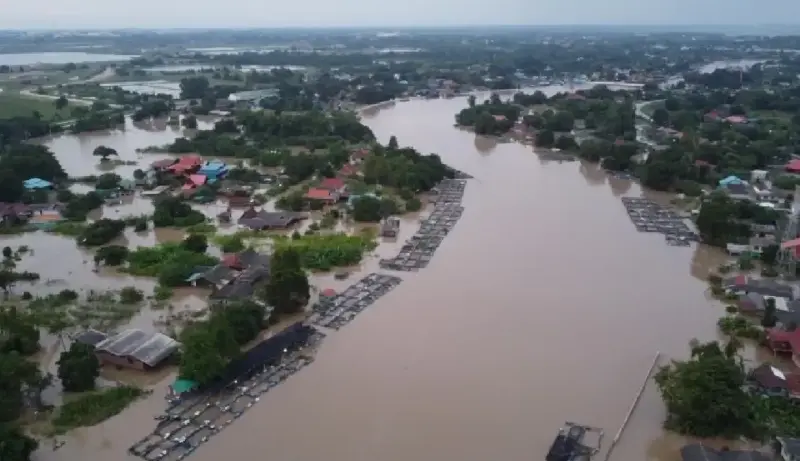


ONWR outlines Chao Phraya Dam releases of up to 2,500 cubic metres per second, urging riverside communities in six Thai provinces to prepare
- On September 30, the Office of the National Water Resources (ONWR) warned six provinces of a potential 20–60cm rise in the Chao Phraya River.
- The expected rise is due to planned increases in water discharge from the Chao Phraya Dam to manage upstream water and forecast heavy rainfall.
- The provinces placed on alert are Chai Nat, Sing Buri, Ang Thong, Phra Nakhon Si Ayutthaya, Pathum Thani, and Nonthaburi, especially low-lying riverside communities.
- Authorities were instructed to reinforce flood defenses, and residents in at-risk areas were advised to move belongings to higher ground.
Office of the National Water Resources (ONWR) warned six provinces on September 30, 2026, that increased releases from Chao Phraya Dam could raise downstream river levels by about 20–60cm from the levels recorded when the alert was issued. The warning, set out in Notice No. 8/2569, concerns staged increases in discharge to accommodate accumulated upstream water and further rainfall. The release plan sets a ceiling of 2,500 cubic metres per second at the dam in Chai Nat.
Six provinces placed on alert for higher river levels
The ONWR identified districts in six provinces along the Chao Phraya requiring close monitoring and preparations for rising water. Particular attention is needed in low-lying riverside communities and areas outside flood embankments.
Province Districts requiring close monitoring
Chai Nat Sapphaya
Sing Buri In Buri, Mueang Sing Buri and Phrom Buri
Ang Thong Chaiyo, Mueang Ang Thong, Wiset Chai Chan and Pa Mok
Phra Nakhon Si Ayutthaya Phak Hai, Bang Ban, Sena, Bang Saai, Phra Nakhon Si Ayutthaya, Bang Pa-in, Lat Bua Luang and Bang Sai
Pathum Thani Sam Khok and Mueang Pathum Thani
Nonthaburi Pak Kret, Mueang Nonthaburi and Bang Kruai
Chao Phraya release plan sets a ceiling of 2,500 cubic metres per second
The Royal Irrigation Department (RID) and ONWR outlined a plan to increase releases through Chao Phraya Dam in stages, without exceeding 2,500 cubic metres per second. The gradual adjustments are intended to minimise damage both upstream and downstream.
The RID and ONWR also planned to hold back some upstream water and divert flows into irrigation canals on the eastern and western sides of the Chao Phraya, taking as much water as each canal can accommodate.
The ONWR’s September 30 warning reported a flow of 2,326 cubic metres per second at the C.2 gauging station in Mueang Nakhon Sawan district, Nakhon Sawan. A further 400–600 cubic metres per second was entering the river system from the Sakae Krang River and tributaries.
The ONWR warning cited a Thai Meteorological Department forecast of heavy rain in the North and Central region from September 30 to October 4. Continued inflows were expected to push the flow at C.2 to approximately 2,700–3,000 cubic metres per second, according to the RID’s assessment.
ONWR calls for stronger flood defences and emergency readiness
The ONWR notified the governors of all six provinces and relevant agencies, calling for urgent action in three areas to protect lives and property:
1. Inspect flood defences and create capacity for incoming rain. Agencies should monitor, inspect and repair riverside embankments and flood barriers, remove obstructions from waterways and coordinate water management from upstream to downstream. Operations at large, medium and small reservoirs, diversion dams and water-control gates should account for tidal effects, with water levels lowered where appropriate to accommodate forecast heavy rain.
2. Prepare personnel, equipment and immediate assistance. Agencies should establish flood-response plans and ready personnel, pumps, water trucks and heavy machinery. Drainage pipes should be cleared of silt, rubbish and other obstructions, while local agencies coordinate to provide immediate assistance around the clock.
3. Provide continuous updates and advance warnings. Agencies should keep at-risk communities informed, particularly residents outside embankments and in low-lying riverside areas. Warnings should give people time to move belongings and pets to safety and prepare to evacuate promptly if an emergency develops.
Riverside residents urged to move belongings and prepare supplies
Residents in the six provinces, especially those living outside embankments along the Chao Phraya and its tributaries, were advised to take the following precautions:
1. Follow official alerts. Monitor announcements from the ONWR, RID, Department of Disaster Prevention and Mitigation, and local authorities.
2. Move belongings to higher ground. Check possessions and move electrical plugs and equipment, pets and vehicles to locations beyond the anticipated rise in water levels.
3. Prepare sandbags or flood barriers. Inspect the area around the home and prepare protection against water entering properties in vulnerable locations.
4. Keep essential supplies ready. Prepare emergency supplies, regular medication, drinking water, torches and working communications equipment.
5. Watch nearby rivers and canals. Report unusual changes or rapidly rising water to local officials immediately.
